
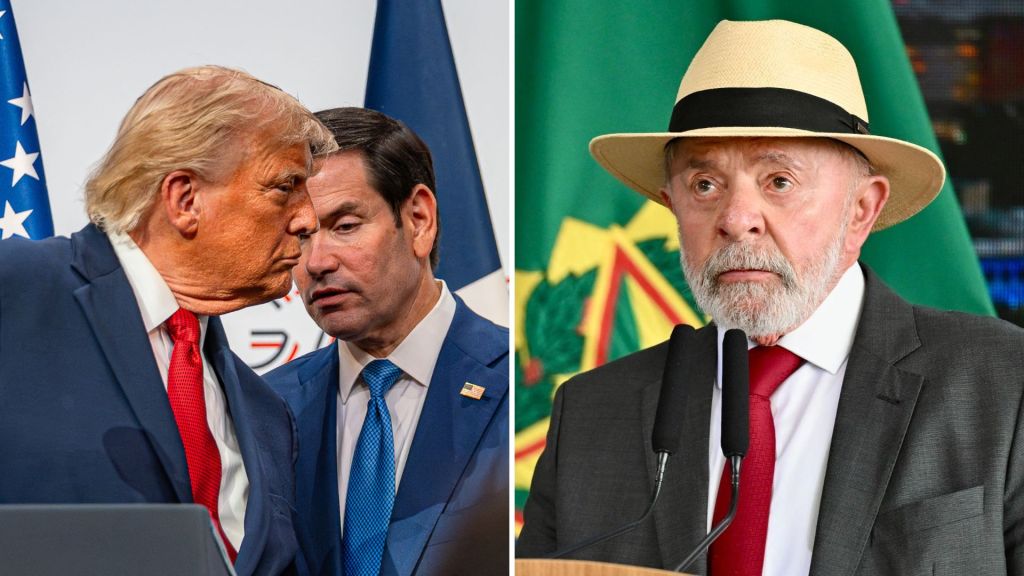
The administration of Trump has completed a new 25% tax on many Brazilian imports, with the charges set to begin on July 22. This choice comes after a lengthy Section 301 investigation carried out by the Office of the U.S. Trade Representative, which found that Brazil has several trade methods considered damaging to American business. When announcing the action, U.S. Trade Representative Jamieson Greer claimed that the Brazilian government had consistently failed to cooperate positively with Washington during discussions. Greer mentioned that Brazil followed «unreasonable» trade approaches and refused to negotiate structural changes «in good faith», leading the administration to proceed with punishing tariffs after concluding that diplomatic efforts had not resulted in significant compromises.
As per the data published by the USTR, the administration’s concerns go far beyond standard tariff issues. A key matter is Brazil’s limitations on American ethanol exports, which U.S. representatives claim have greatly restricted access for American producers. The report also criticizes Brazil for upholding domestic policies that unjustly protect local industries, thereby making it much harder for foreign companies to compete in one of the globe’s biggest consumer markets. Moreover, the inquiry unexpectedly integrates environmental issues into trade policy, asserting that illegal deforestation has caused commercial imbalances that affect U.S. businesses and producers. Government officials argue that these combined actions warrant action under Section 301, which enables the United States to impose retaliatory tariffs on countries found to be practicing unfair trade.
While the new duties mark one of the most stringent trade measures taken by the administration against Brazil in recent years, Washington intentionally left out several key sectors from the 25% tariff in an attempt to reduce the effect on American consumers and industries. Brazilian beef and other significant agricultural goods were excluded to prevent additional strain on grocery costs in the United States, and coffee—Brazil’s major export to the American market—was also not subjected to the penalties. Aircraft components were exempted to safeguard U.S. aerospace supply chains that rely on Brazilian production, and further exceptions were made for items that are not manufactured locally or are difficult to obtain from other sources. Officials stated these exemptions were intended to apply maximum pressure on Brazil while minimizing inflationary effects on American businesses and families.
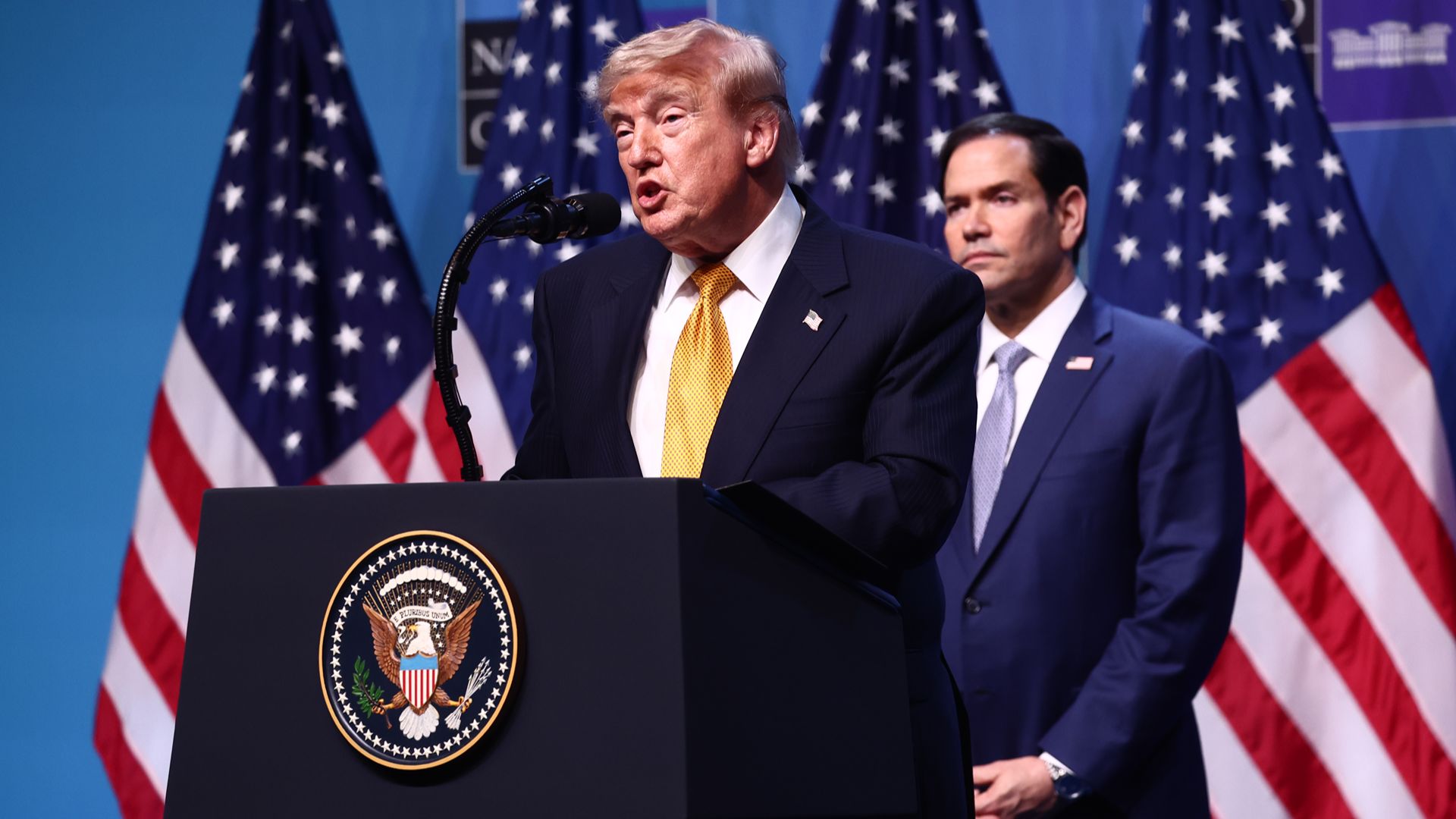
The Brazilian government reacted swiftly and strongly, with President Luiz Inácio Lula da Silva calling the new tariffs «unfounded» and «absurd.» Brazilian officials claimed that the administration’s reasoning overlooked the overall trade relationship between the two nations, highlighting that the United States currently has an estimated $14 billion trade surplus with Brazil. Lula stated that applying punitive duties in such a scenario is economically contradictory and politically driven. His government also announced plans to impose equivalent tariffs on American products entering Brazil if the measures continue. Indicating that Brasília is ready to expand its export markets, Lula said: «If they don’t want to buy from us, we will sell to someone else,» referring to Brazil’s longstanding commercial ties with China and other major global trading partners.
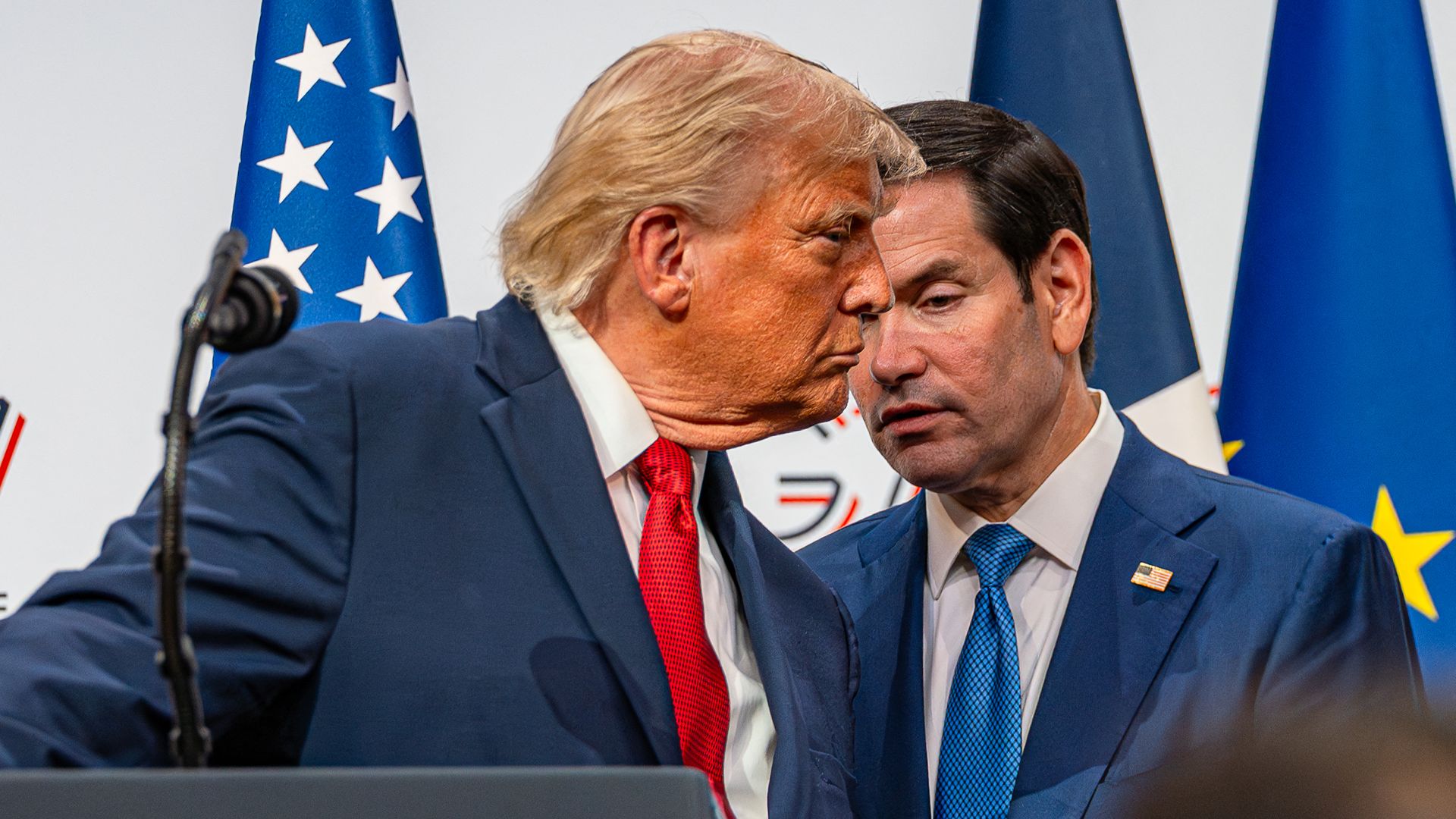
U.S. Secretary of State Marco Rubio strongly supported the administration’s decision, using unusually clear language to assign personal blame to the Brazilian president for the failure of negotiations. Rubio said, «There should be no confusion about the reason: President Lula and his government have not negotiated with the U.S. in good faith.» He added, «Over the past year, Lula has prioritized his own ego over reaching an agreement that would benefit the Brazilian people, and these tariffs are the consequence.» These comments reflected a larger approach by the administration to frame the conflict as a result of Brasília’s refusal to compromise, rather than a one-sided move by Washington. Officials have stated that the tariffs aim to promote structural reforms while safeguarding American industries from what they call ongoing unfair trade practices.
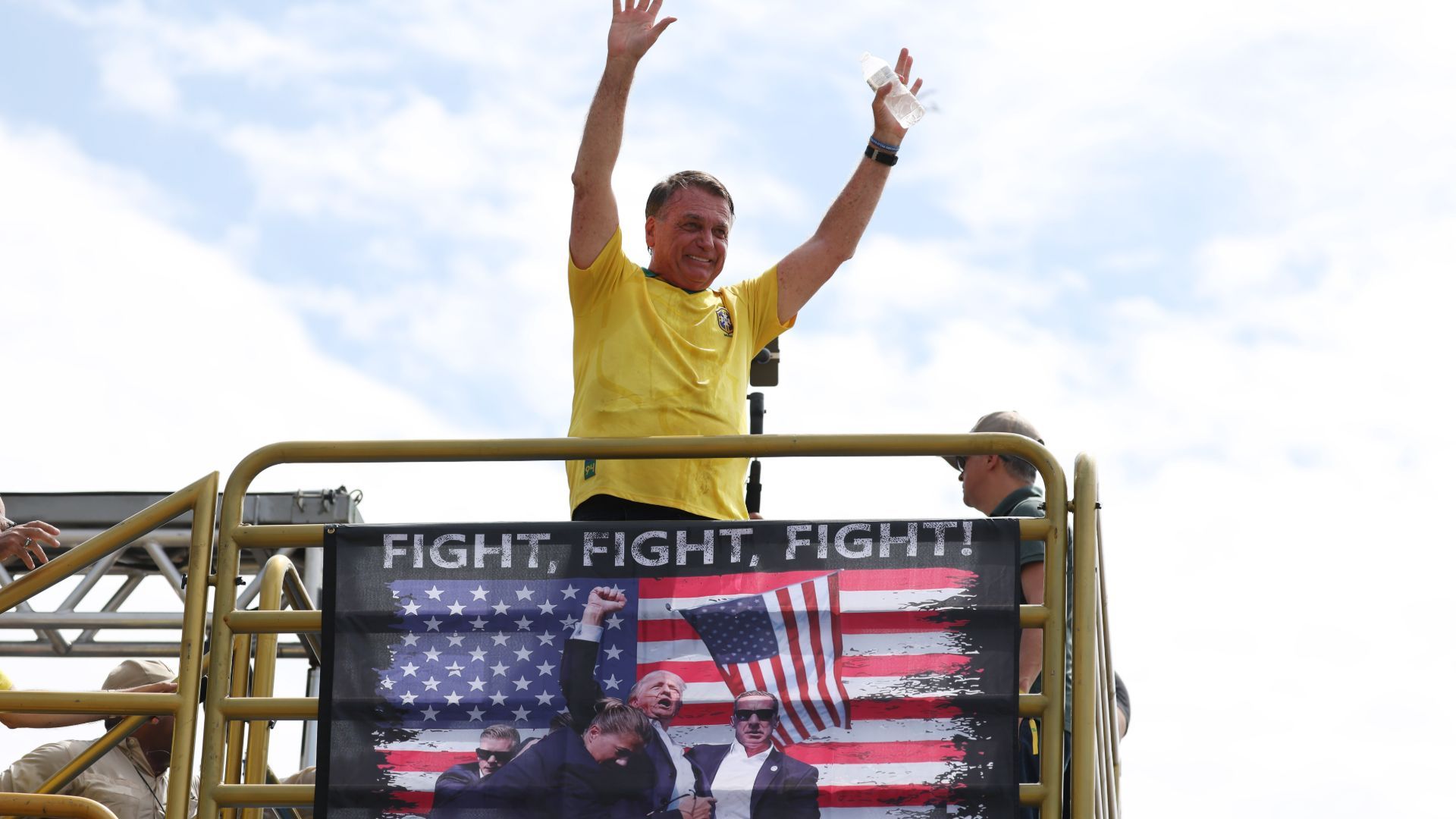
The conflict also takes place against the background of Brazil’s growingly divided political environment before the nation’s general election set for October 4. Lula, who is now 80 years old, is aiming for an unprecedented fourth term under the Workers’ Party, while Senator Flávio Bolsonaro—the oldest son of former president Jair Bolsonaro—has become the presidential candidate for the Liberal Party following his father’s disqualification from office and a 27-year prison sentence related to his involvement in an attempted coup. Donald Trump has consistently supported the former Brazilian leader, stating to reporters: “I thought he was a good president of Brazil, and it’s very surprising that could happen—very much like they tried to do with me.” He later increased his criticism on Truth Social, asserting that Jair Bolsonaro was guilty of nothing except “having fought for THE PEOPLE” and urging Brazilian authorities to “LEAVE BOLSONARO ALONE!” Therefore, the timing of the tariff announcement has introduced an additional geopolitical aspect to an already intense election campaign, linking trade policy with one of Latin America’s most significant political contests.
Made by people, with the help of artificial intelligence.
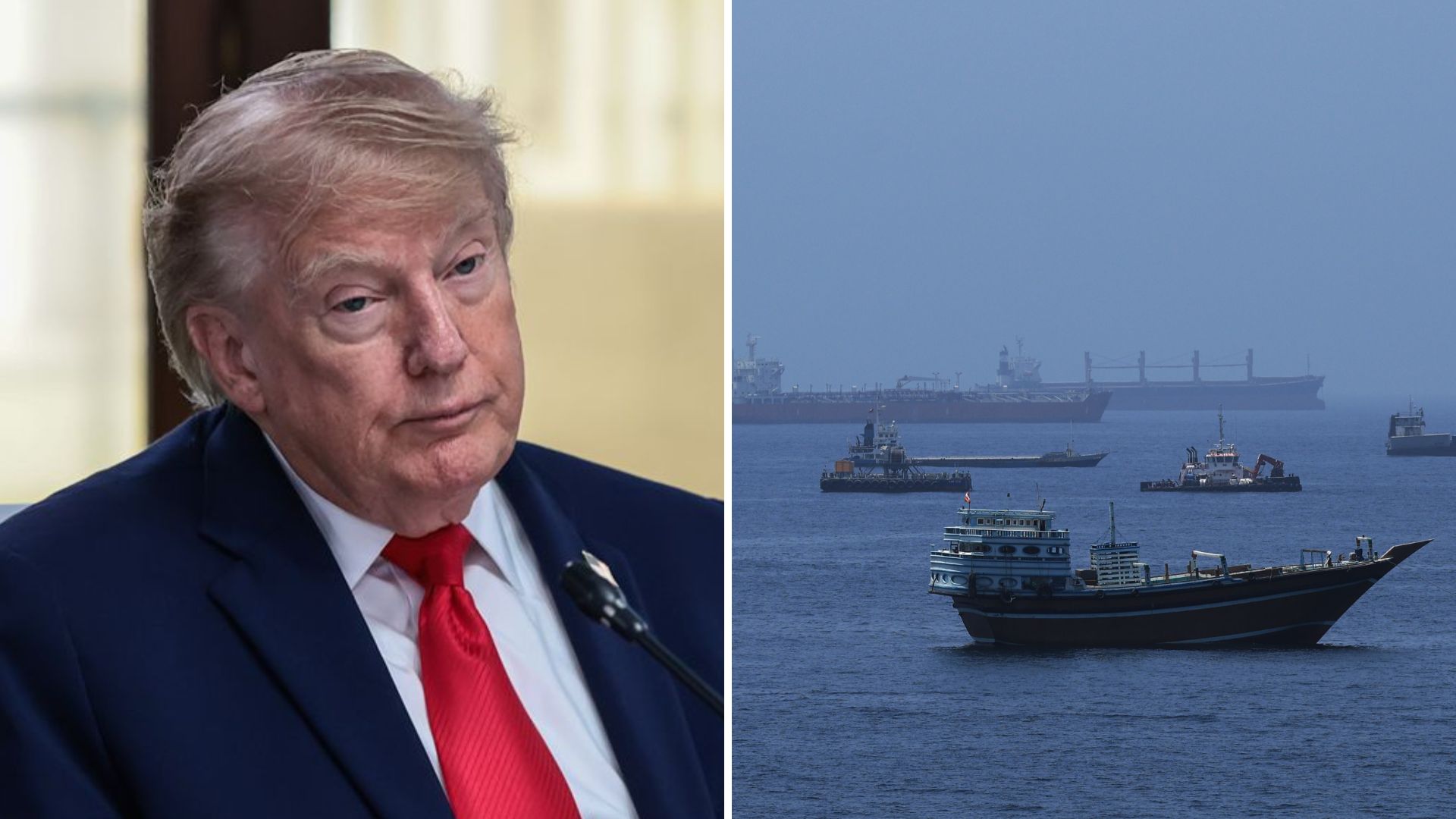 Trump’s second Hormuz crisis concerns experts, with 1 billion barrels already lost due to the Iran conflict
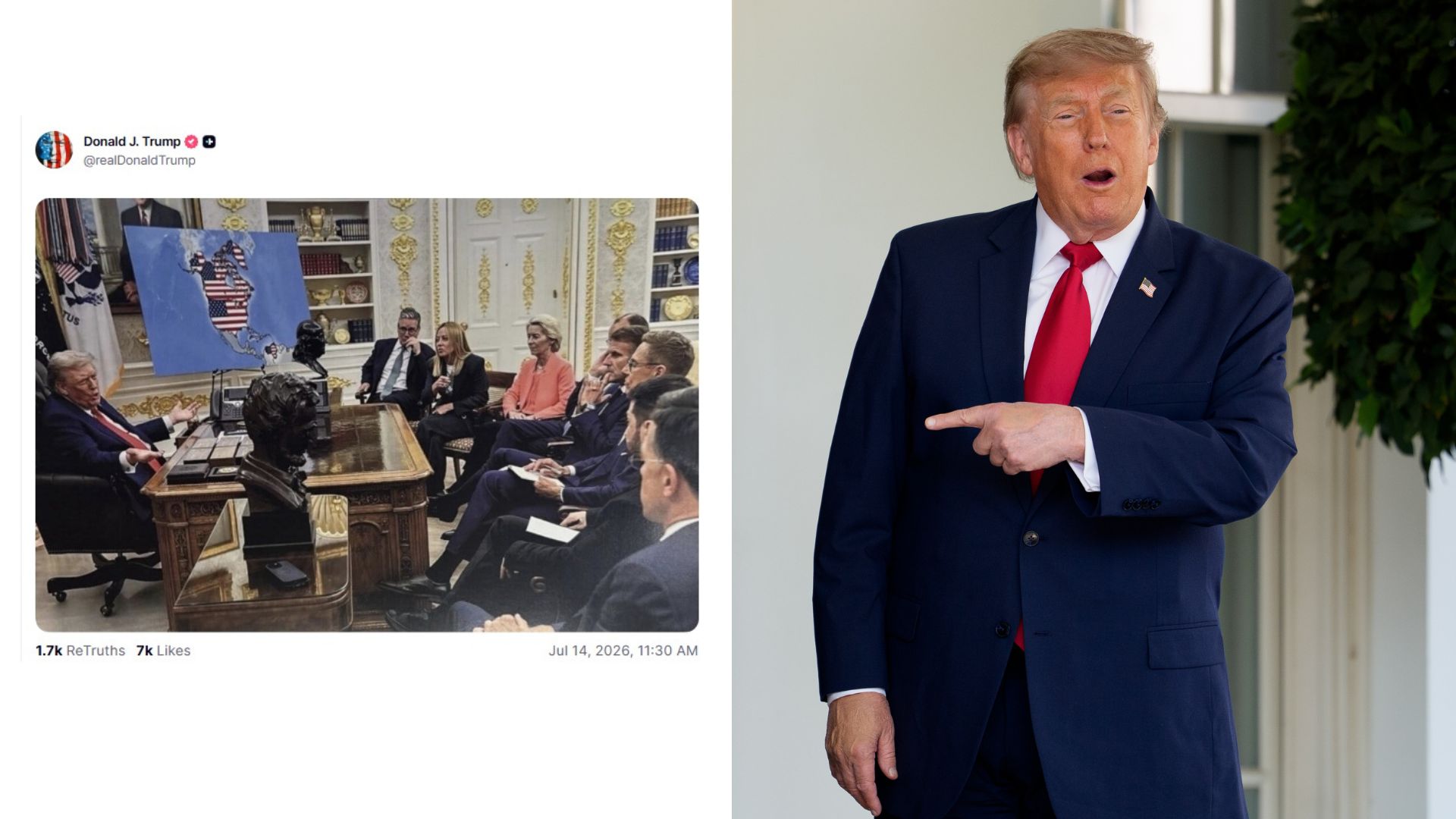 Trump causes controversy with an AI image depicting Canada, Greenland, Cuba, and Venezuela as part of the United States.



Leave a Reply