
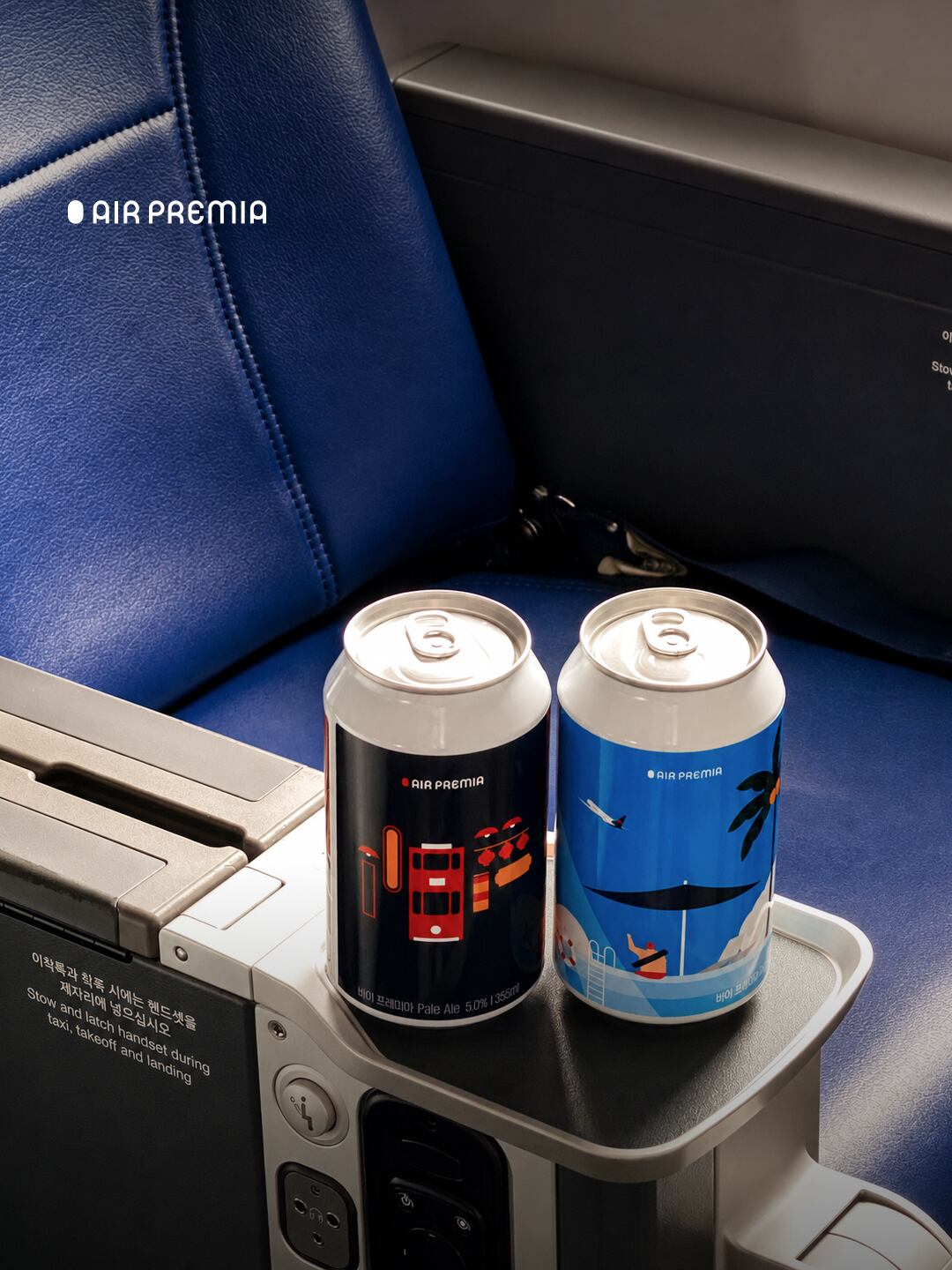
Air Premia, a local low-cost airline focusing on trans-Pacific flights, has introduced a new in-flight beer named “Beer Premia,” developed together with the craft beer company Saenghwal Makju. This “sky-exclusive beer” is only available on Air Premia flights and costs 5,000 South Korean won for a 355 mL can.
As reported by Air Premia, the revenue from in-flight alcohol sales per flight rose by 7% last year when compared to the prior year. For low-cost carriers, where making a profit only through ticket sales is difficult, a single can of beer or a meal can serve as a profitable source of additional income while also reinforcing the airline’s brand identity.
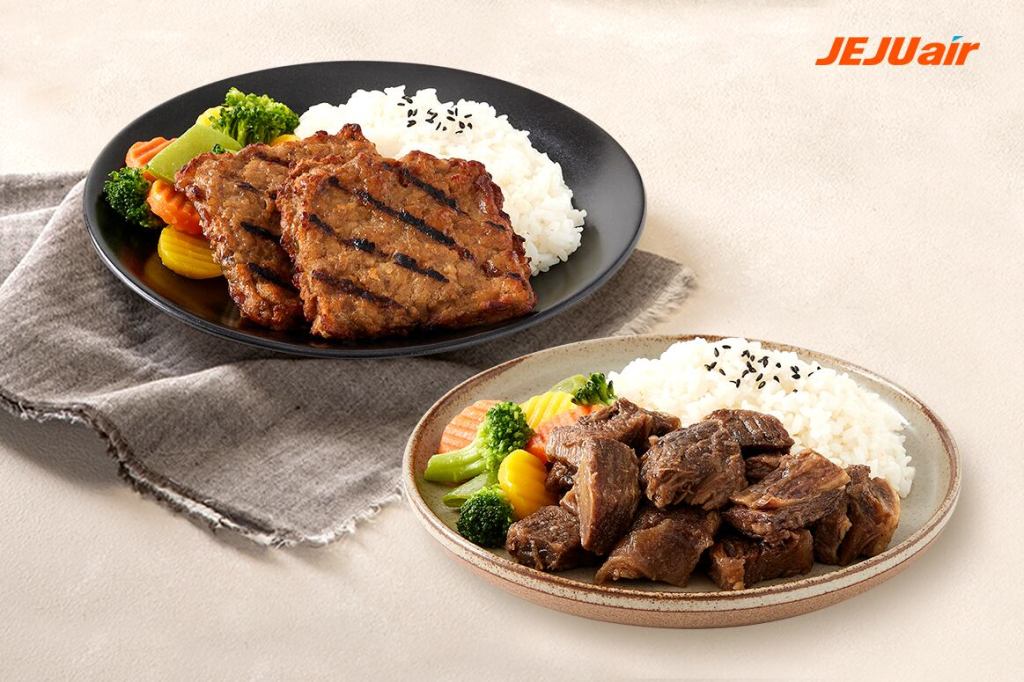
Other low-cost carriers are also creating their own “sky delicacies.” Jeju Air lets passengers order the same meal served to flight attendants. With 10 choices—including stir-fried baby octopus, pork rice bowl, and gondre rice—passengers get the exact menu that is provided to crew members on that day. As the menu varies daily, passengers won’t know what they’ll receive ahead of time. This “flight attendant in-flight meal” is available at a discounted price of 16,000 South Korean won until December. The airline also provides a bulgogi box lunch in partnership with the famous restaurant Samwon Garden.
T’way Air has launched “home-style” meals for long-haul travelers. To make things easier for passengers in small seats, the airline provides pre-mixed bibimbap. In addition to popular dishes like beef mushroom porridge and sausage-egg breakfast, vegetarian choices such as carrot wrap and tofu scramble are also offered. On flights to Europe, Sydney, and Vancouver, economy class passengers get two complimentary in-flight meals per one-way journey.
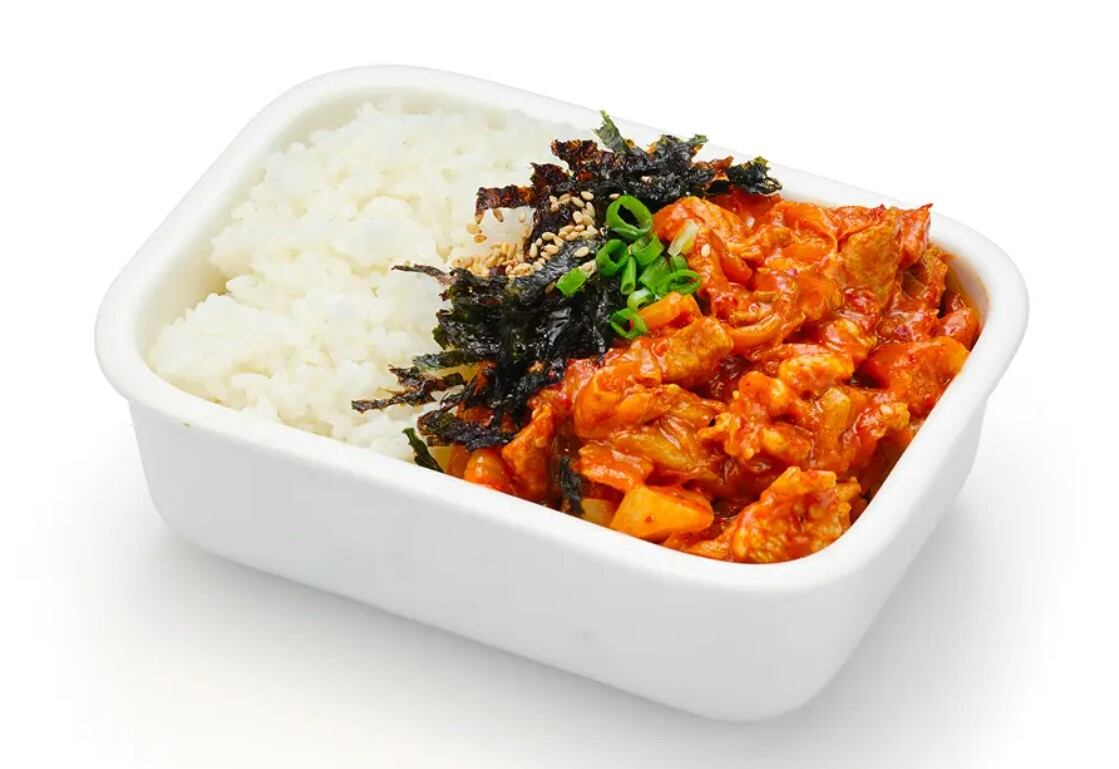
New menus with regional themes have also appeared. Aero K, located at Cheongju International Airport, offers an in-flight meal named “Spicy Jjagae,” which includes Jjagae—a traditional dish from Chungcheongbuk-do, prepared by boiling pork and kimchi in a soup. Travelers combine the stew with rice, reflecting the airline’s regional character through one dish.
Eastar Jet provides special in-flight meals that vary depending on the season and destination. Following the start of flights to Almaty, Kazakhstan—a region with a significant Muslim community—it introduced vegetarian and halal choices like plant-based pasta, vegetable sandwiches, and halal ramen. In the winter months, it offers honey-filled hotteok and fish-shaped pastries filled with red bean or cream, which has led to it being called “sky bungeopseon” (a reference to “bungeopseon,” meaning an area known for delicious street food).

Parata Air offers a proprietary drink named “Peach Onboard,” which combines peach and red grape, provided at no cost on international flights. Highlighting its exclusivity, the beverage is not sold in retail outlets and can only be found on Parata Airlines flights. In business class, travelers can savor special in-flight cocktails created by blending this drink with wine or champagne.
A representative from the aviation sector remarked, “In-flight food and drinks for low-cost carriers are a crucial method of boosting income aside from ticket prices, while also acting as a way to enhance the brand through offerings that are not available on other airlines.” They further noted, “With fares and routes becoming increasingly comparable, rivalry over unique in-flight dining options will grow more intense.”




Leave a Reply