
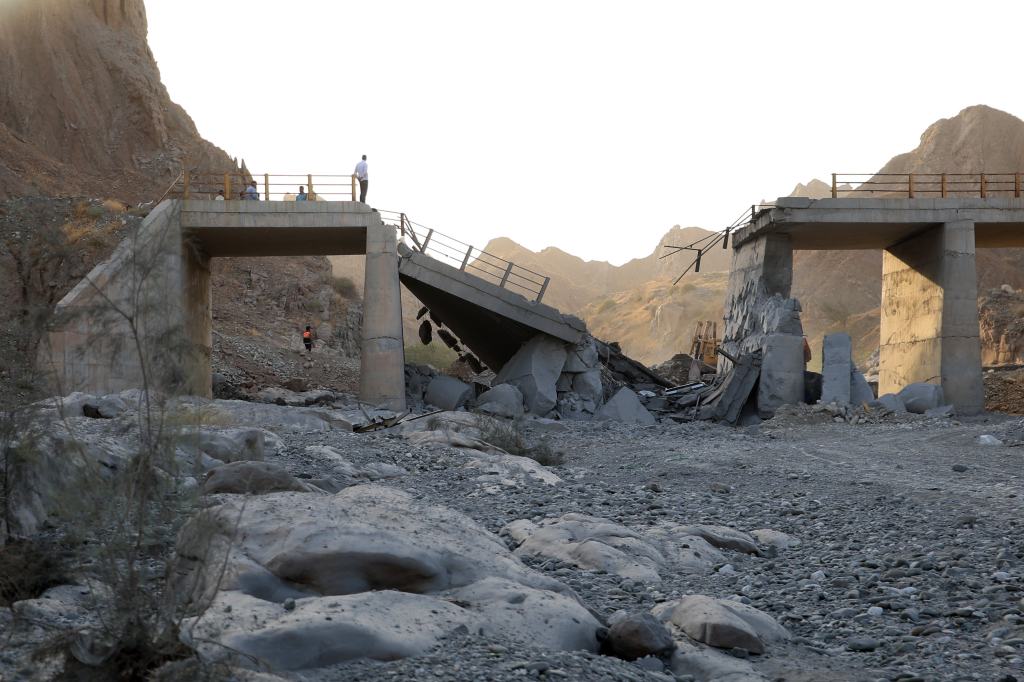
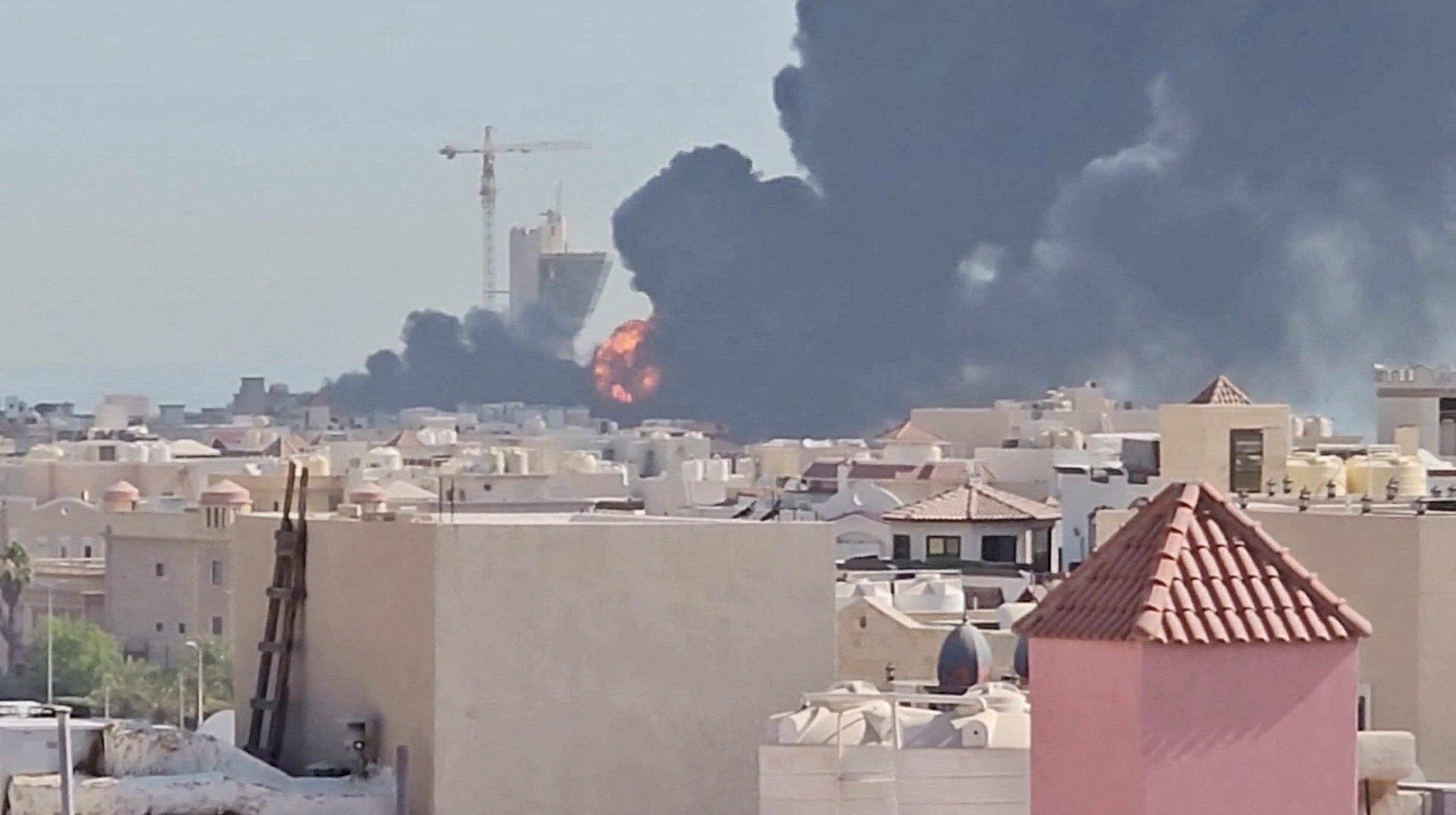
With the U.S. carrying out its seventh straight day of attacks on Iran’s civilian facilities such as railroads, bridges, and airports, Iran retaliated by abandoning the prior Memorandum of Understanding (MOU) and initiating strikes against power stations, water desalination plants, and American military locations in Saudi Arabia, Kuwait, Bahrain, Jordan, and Qatar. The fighting has intensified into a large-scale war similar to the one that began in February, resulting in the deaths of two U.S. soldiers and one missing.
Mojtaba Khamenei, Iran’s Supreme Leader, referred to the United States as the “Great Satan” in a written message on July 18 (local time), asserting, “The dark history of crimes and broken promises is another clear indication of America’s dishonesty, irrationality, untrustworthiness, and cowardice.” He further stated, “This has once again shown that the U.S. president’s signature carries no value or legitimacy.”
Kazem Gharibabadi, Iran’s Deputy Foreign Minister, also revealed the halt of duties outlined in the MOU with the United States, according to Iran’s Tasnim News Agency. Gharibabadi mentioned that Tehran sees no justification for upholding the deal if the other side (the U.S.) does not meet its responsibilities.
As reported by AFP and Reuters, the government of Kuwait verified that Iran’s two-day strikes on power and desalination plants affected operations at certain facilities. The Kuwaiti Ministry of Electricity and Water Resources mentioned, “A separate power and desalination plant was targeted, resulting in fires in parts of the infrastructure, which led to the shutdown of some power generation equipment.”
Bahrain issued two air raid alerts early in the day, advising residents to seek shelter from drone and missile strikes. The Bahraini military stated that it successfully intercepted several Iranian air assaults using air defense systems and increased its combat preparedness. Jordan’s military also reported intercepting 10 Iranian missiles, with no injuries or damage noted. Qatar also confirmed the interception of missiles. Reuters reported that multiple sources verified Iran’s attack on Saudi Arabia following a three-month pause.
The U.S. Central Command (CENTCOM), which is responsible for military actions against Iran, said, “On July 17, during the defense against Iranian ballistic missile and drone attacks, two U.S. soldiers based in Jordan were killed, and one is still missing.” Although CENTCOM did not mention the specific location, the attack is believed to have targeted a U.S. Air Force base in Jordan. According to dpa, Jordan’s primary U.S. military base is situated in Azraq, about 100 km northeast of the capital, Amman.
Previously, CENTCOM verified that it carried out air strikes on Iran for seven straight days, focusing on surveillance facilities, military logistics infrastructure, subterranean weapon storage areas, and naval capabilities.
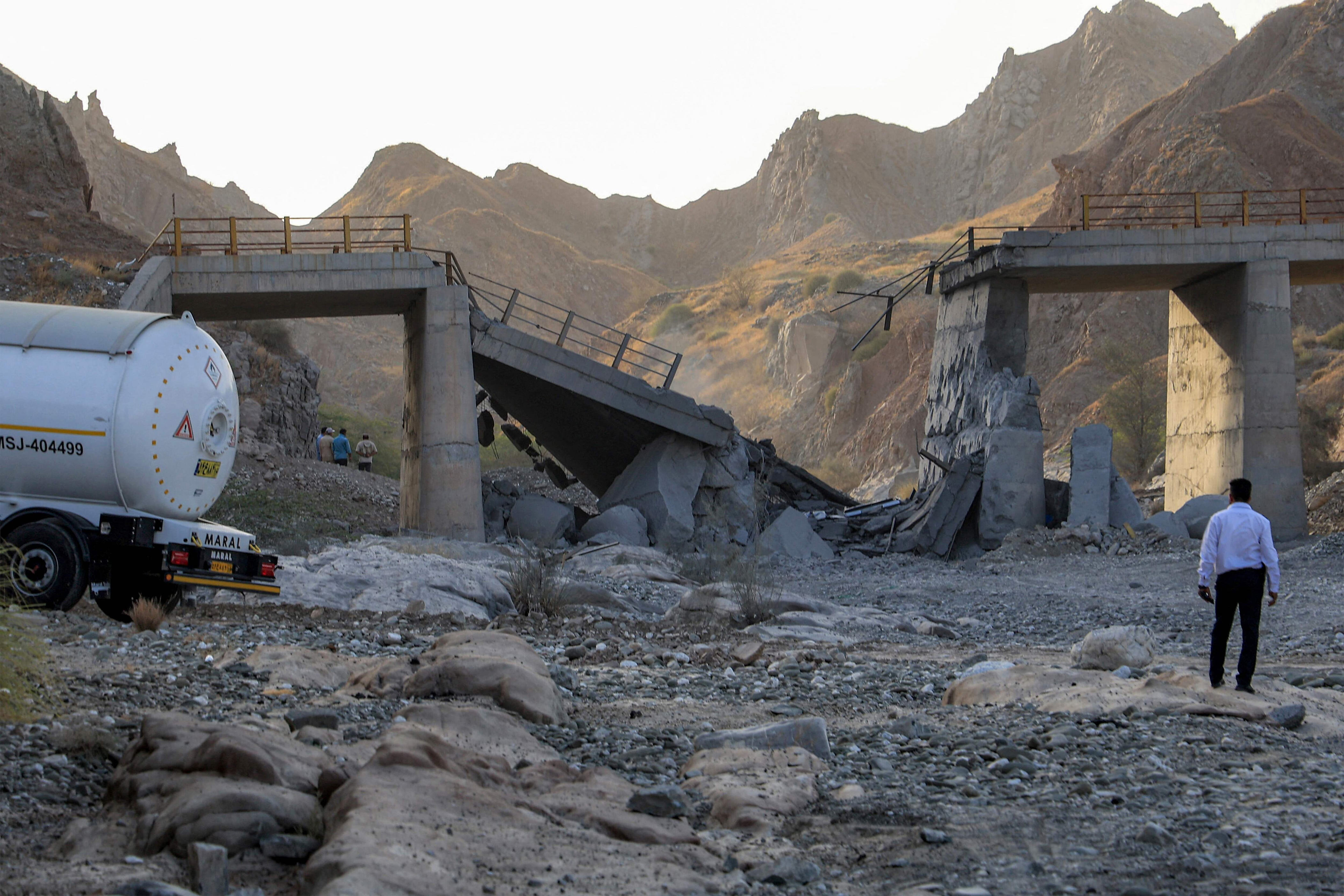
With the airstrikes extending to civilian facilities, global worry has increased. The Gulf Cooperation Council (GCC), which includes Saudi Arabia, the UAE, Kuwait, Qatar, Bahrain, and Oman, criticized Iran’s strikes on Kuwait, Bahrain, and Jordan in a declaration.
Jassem Mohammed Al-Budaiwi, Secretary-General of the GCC, said, “Attacks on civilian infrastructure constitute war crimes. Iran’s actions represent a serious breach of the UN Charter and international law, and pose a very dangerous escalation.”
UN Secretary-General António Guterres voiced worry about the growing conflict, particularly highlighting “attacks on civilian facilities in Iran and the surrounding area” from the day before.



 jasdooit
Leave a comment