
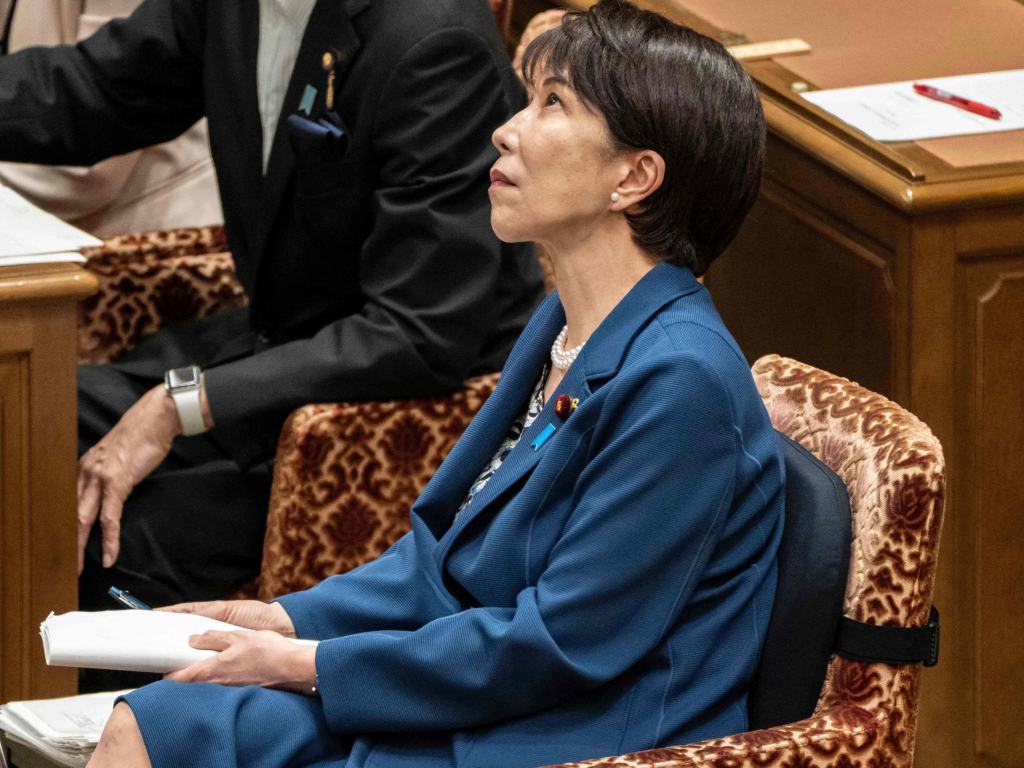
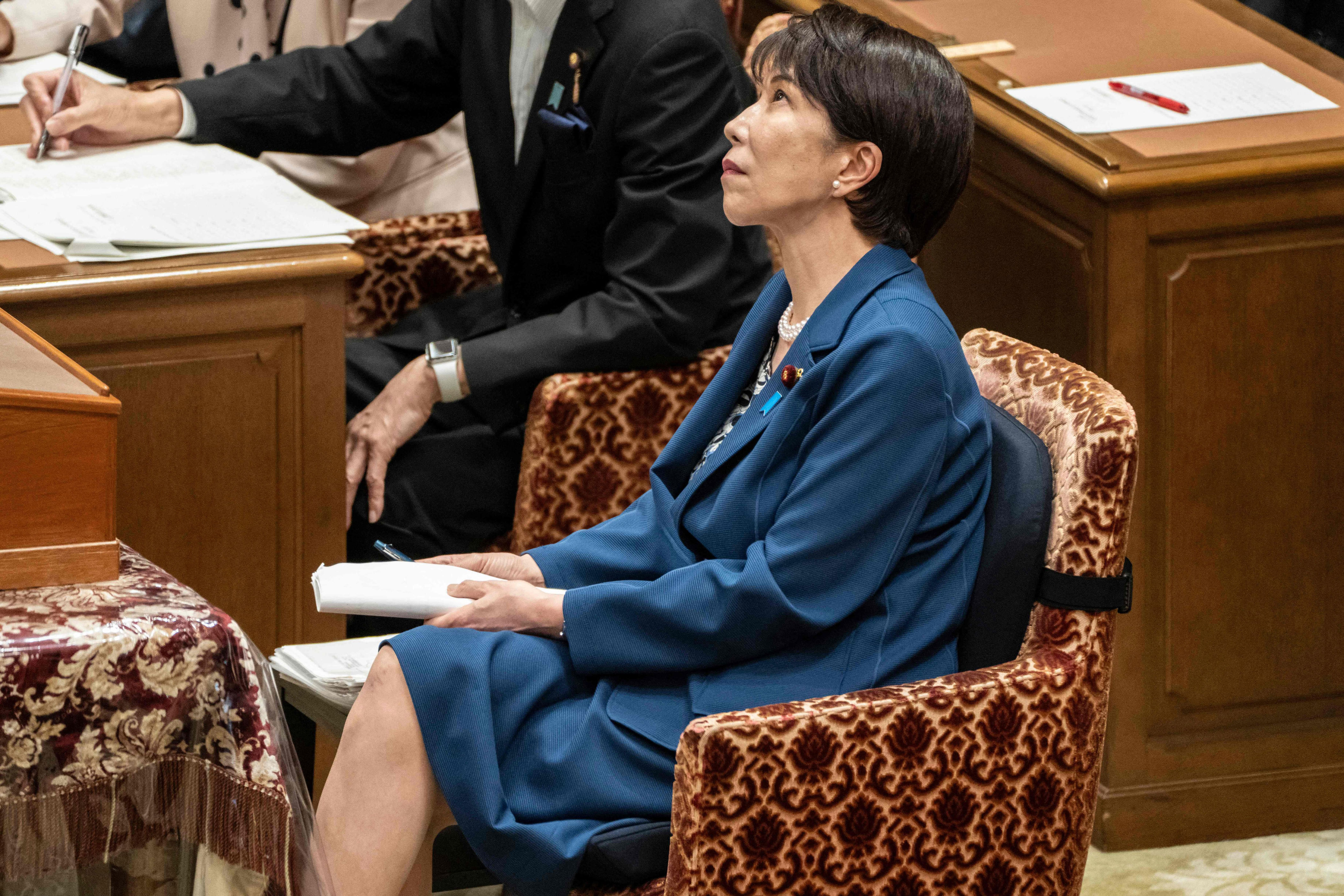
The latest approval ratings for the Takaichi administration, as reported by leading Japanese media surveys, have dropped significantly, dipping under 50% for the first time. Experts point to the negative reaction caused by the government’s imposition of the Imperial Household Basic Law on the 17th, which did not receive broad public backing.
The Takaichi administration advocated for changes to the Imperial Household Basic Law in response to the limited number of imperial family members, emphasizing the continuation of male-line succession despite public support for a female emperor. The updated law, which permits the adoption of male descendants from former imperial branches to confer succession rights, was approved by both chambers of the Diet, backed by the ruling party’s supermajority and some opposition members. Nevertheless, there remains criticism, with even the conservative newspaper The Yomiuri Shimbun running critical front-page articles for three days in a row. Opponents claim that the hurried reform of the emperor system—symbolizing national unity—has intensified social divisions.
As reported by The Mainichi Shimbun on the 20th, the Takaichi administration’s approval rating decreased from 51% in a survey conducted on June 20–21 to 41% in the poll carried out on July 18–19, which is the first instance it has gone under 50%. For the first time, the level of disapproval (44%) surpassed that of approval.
Kyodo News also noted the rating reaching 49%, marking the first time it has been below 50% since the administration began. A comparable pattern was observed in The Asahi Shimbun’s poll, where approval decreased from 60% to 53%. Although support from members of the Liberal Democratic Party (LDP) stayed around 80%, approval among independents fell to 36%, lower than the percentage of those who disapproved (42%).
Japanese media polls differ depending on the source, but overall trends are typically reliable. The Mainichi’s ratings have traditionally been the lowest for the Takaichi administration, but this marks the first time they have dropped under 50%.
The Mainichi reported that despite the government and ruling party passing the amendment to the Imperial Household Basic Law to ensure the continuation of the imperial family, there has been no widespread public support or comprehension regarding the ongoing male-line succession. Only 19% of respondents “assessed” the revised law favorably, while 45% did not. The Asahi survey also revealed that 60% agreed the reform “lacked public understanding.”
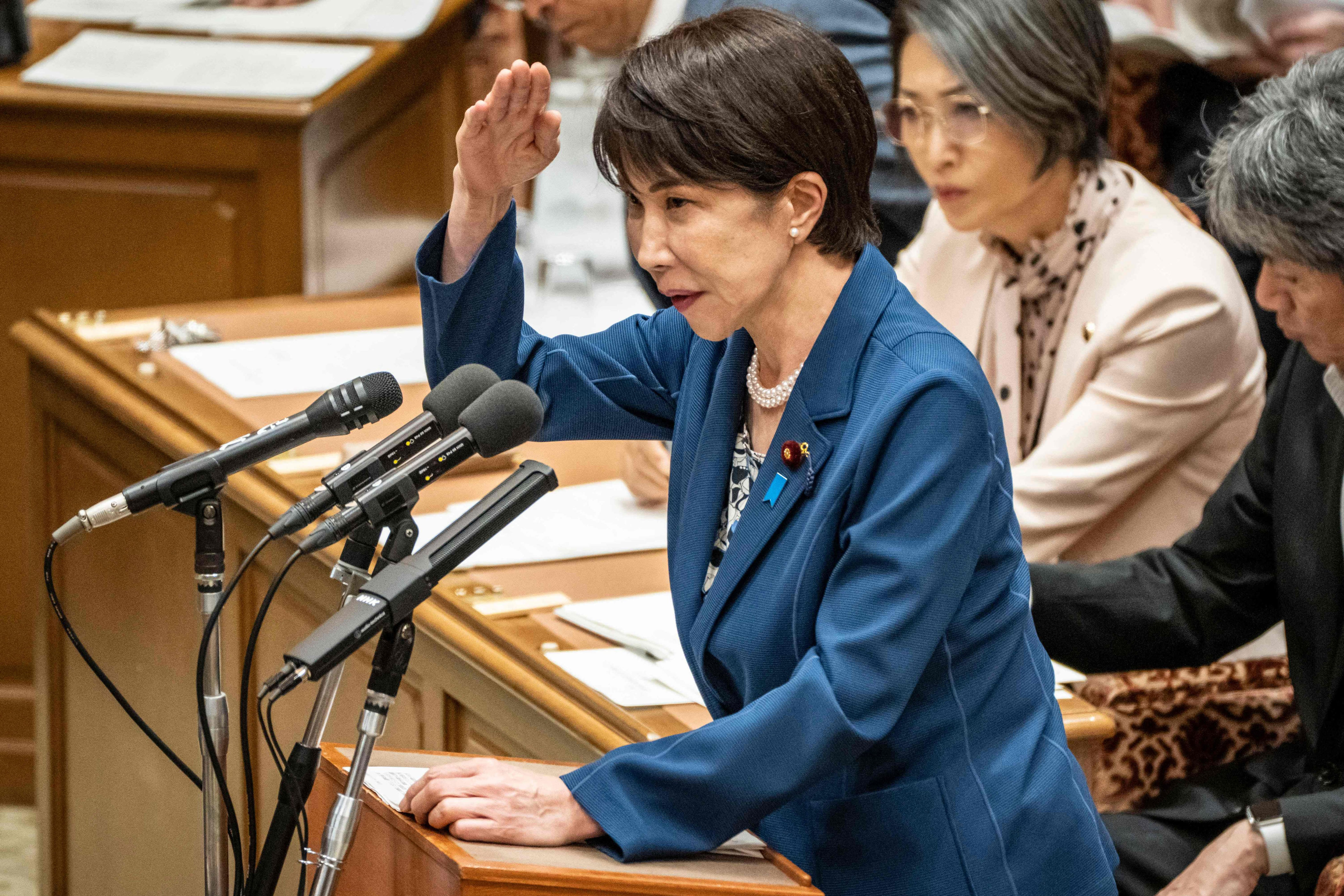
On the matter of excluding female emperors, 72% of participants felt that “female emperors should be acknowledged.” This sentiment was also shared by more than 60% of supporters from both the LDP and the Japan Innovation Party.
Public discontent also highlights the government’s emphasis on less pressing legislation—like the Imperial Household Basic Law, penalties for desecrating the national flag, and the designation of a secondary capital—while there is little progress in tackling increasing living expenses. According to a survey by The Asahi Shimbun, 57% of respondents disapproved of the prime minister’s handling of inflation, the highest level since the administration took office.
Even after the law was enacted, Japanese media keep expressing criticism towards it. The Yomiuri Shimbun published front-page analyses for three consecutive days, describing the law as “defective” and outlining its shortcomings. It pointed out the lack of clarity regarding the imperial status of spouses and children of female members of the imperial family who stay within the family after marriage, resulting in “complicated family structures” that require public service. The newspaper also emphasized the pressures faced by adopted males, whose privacy would be closely examined and whose wives would be expected to give birth to sons. It called for immediate discussions to resolve the issues with the law.
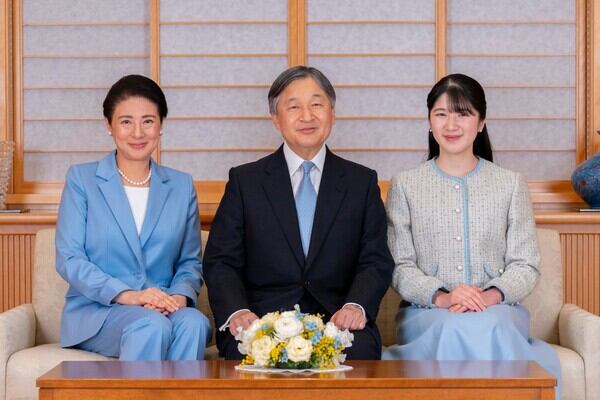
The royal family has maintained a neutral stance since the amendment was implemented. Prior to its approval, Emperor Naruhito voiced optimism about a proposal that could “secure public support,” leading to rumors that he supported the succession of his sole daughter, Princess Aiko.
On the 17th, after the law was enacted, Kuroda Takeichiro, chief administrator of the Imperial Household Agency, remarked, “The Imperial Household Agency will assist the imperial family’s activities in line with the updated law, taking their emotions into account and providing the most suitable and comprehensive response possible.”



 jasdooit
Leave a comment