
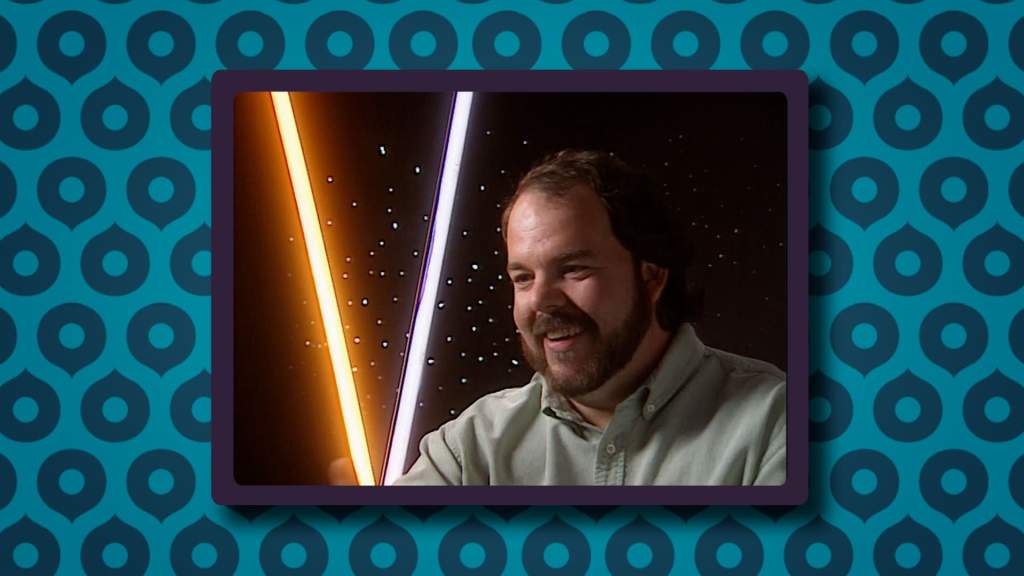
The initial Star Wars films represented a significant milestone in the evolution of visual effects, introducing digital filmmaking to innovative and unexplored areas. These movies, released from 1999 to 2005—namely The Phantom Menace, Attack of the Clones, and Revenge of the Sith—made extensive use of computer-generated imagery, constructing environments and characters that had seldom been realized on such a large scale. Bringing these ambitious ideas to life was animation director Rob Coleman, whose group was essential in defining the revolutionary visual approach of the trilogy.
Coleman became involved in the production during the pre-production stage of The Phantom Menace in 1997 and headed a group of 45 character animators at Industrial Light & Magic. Although hundreds of artists, designers, sculptors, and technicians were involved in the film, his team was responsible for specifically animating digital characters. By collaborating daily with the animators, Coleman played a key role in making sure that each creature and computer-generated performance merged smoothly with the live-action scenes, resulting in a cohesive cinematic experience that continues to captivate viewers.
The creation faced distinct difficulties for both the film crew and the actors. A significant portion of the trilogy was shot on blue-screen stages, requiring performers to act in mostly empty spaces with only temporary props instead of completed sets or characters. Voice actors were frequently present during rehearsals to assist the actors in maintaining natural interactions before the actual scenes were recorded without them. This required exceptional creativity and focus from the cast, while the animation team later populated those empty areas with fully developed digital characters and settings.
Technical constraints also compelled the filmmakers to think creatively as production progressed. Certain visual effects tools, such as realistic digital clothing simulation, were not available at the start of the project. Rather than halt production, the team created scenes using incomplete character models while software developers worked on the required technology. After these advancements were made, clothing and other intricate visual components were added to the final shots. Interactions between live actors and computer-generated characters, particularly in scenes involving physical contact, necessitated entirely new methods that were specifically created for the films.
Even though the Star Wars prequels generated a lot of discussion among fans, their impact on contemporary filmmaking is clear. The innovative efforts headed by Rob Coleman and the team at Industrial Light & Magic set many of the digital production techniques that are now standard in the film industry. Their ability to tackle technical issues on the spot broadened the scope of visual storytelling and created a foundation for the advanced visual effects that viewers experience in today’s big-screen movies.




Leave a Reply