

OSAKA — False information and unconfirmed statements have circulated on social media after a powerful earthquake occurred on July 28, which reached a peak seismic intensity of 7 in Kumamoto Prefecture, located in southern Japan.
Numerous posts were also observed that seemed to promote discrimination, along with fabricated images thought to have been created through artificial intelligence (AI).
Spreading false information may lead to legal consequences in cases where it is done with malicious intent. A specialist is advising social media users to approach shared images with caution and avoid distributing them unless their authenticity has been verified.
Unfounded allegations of terrorism and a ‘man-made earthquake’
After an explosion at Aeon Mall Kumamoto, unfounded rumors circulated on social media suggesting it was “a terrorist attack by agents” or that “a nuclear device was involved.” Several videos featuring images thought to be created by artificial intelligence were also being shared.
Other posts circulated images that were said to depict clouds following the earthquake and suggested it was a “man-made earthquake.” Certain conspiracy theories claimed that foreign individuals or particular politicians were responsible.
Even though the Japan Meteorological Agency stated that the epicenter was in the Kumamoto area, incorrect information also circulated claiming that “the epicenter was at Mount Aso” and that “Mount Aso had erupted.”
Several posts asserted that the luxury sleeper train Seven Stars in Kyushu, operated by Kyushu Railway Co. (JR Kyushu), had derailed, but JR Kyushu confirmed to the Mainichi Shimbun that this information was incorrect.
A false post from the past resulted in an arrest
In the aftermath of the 2016 Kumamoto earthquakes, a misleading statement claiming that a lion had left a zoo circulated through social media platforms. The individual responsible for the post was taken into custody, accused of misleading the public and disrupting the zoo’s activities.
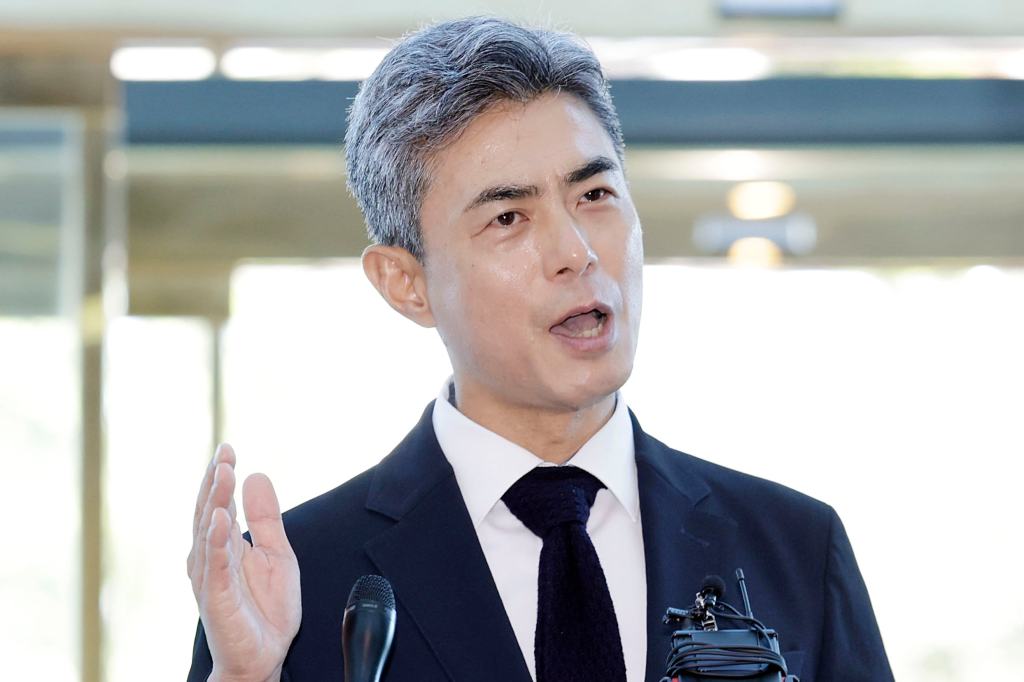
In comparison to ten years ago, “it is now feasible to create images and videos of significantly better quality,” stated Daisuke Furuta, the editor-in-chief of the Japan Fact-check Center.
“It is challenging for the general public to assess if this material is genuine. We should handle it with doubt and question if it could have been made up or might be wrong,” he stated.
Furuta emphasized the need to check statements using trustworthy data from official sources and media outlets.
“Although their intentions may be good, individuals should have a feeling of accountability for sharing incorrect information without verifying it first,” he stated.
(Osaka City News Department, Japanese original by Yujiro Futamura and Mayu Maemoto)
 jasdooit
Leave a comment