
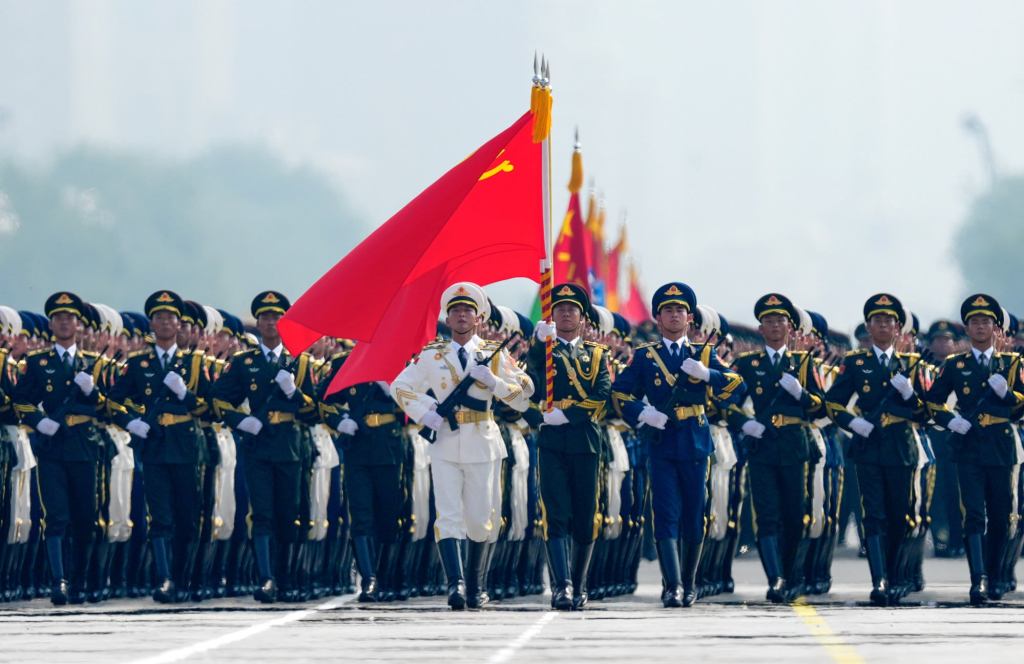
From a revolutionary organization to a high-tech force, the PLA’s evolution has been a prolonged quest for power and independence.
As the People’s Liberation Army celebrates its 99th anniversary on August 1, one year away from meeting its centenary objectives, its development reflects the history, current state, and future direction of China’s military strategy. In the first part of a series, Liu Zhen looks into the evolution of the PLA’s tactics from guerrilla fighting to high-tech warfare.
In April 1932, Xi Zhongxun, 18, led the newly established Fifth Detachment of the Red Army’s Shaanxi-Gansu Guerrilla Force as they moved through the mountains in Yongshou County, Shaanxi Province.
Reorganized by a young communist from a rebellious group within the local warlord’s Northwest Army, the 200-member unit was attempting to connect with another forceRed Army force nearby.
Are you curious about the most significant issues and developments happening globally? Find the solutions withSCMP Knowledge, our latest platform offering carefully selected content including explainers, FAQs, analyses, and infographics, presented by our acclaimed team.
As reported by Xi and others, the troops were poorly trained and had a varied collection of weapons—primarily old bolt-action rifles and a limited number of machine guns, with no artillery. They also faced ongoing shortages of clothing and shoes, food, and ammunition.
The Communist Party’s political efforts enhanced their discipline and spirit, yet challenges with equipment and logistics persisted—and, in some cases, became more severe over time.
In the end, worn out and lacking provisions and supplies, the soldiers were overpowered by local raiders and had to scatter.
Over 80 years on, Xi’s son, Xi Jinping, took control of the People’s Liberation Army (PLA) and promised to develop it into a“world-class military”by the middle of this century.
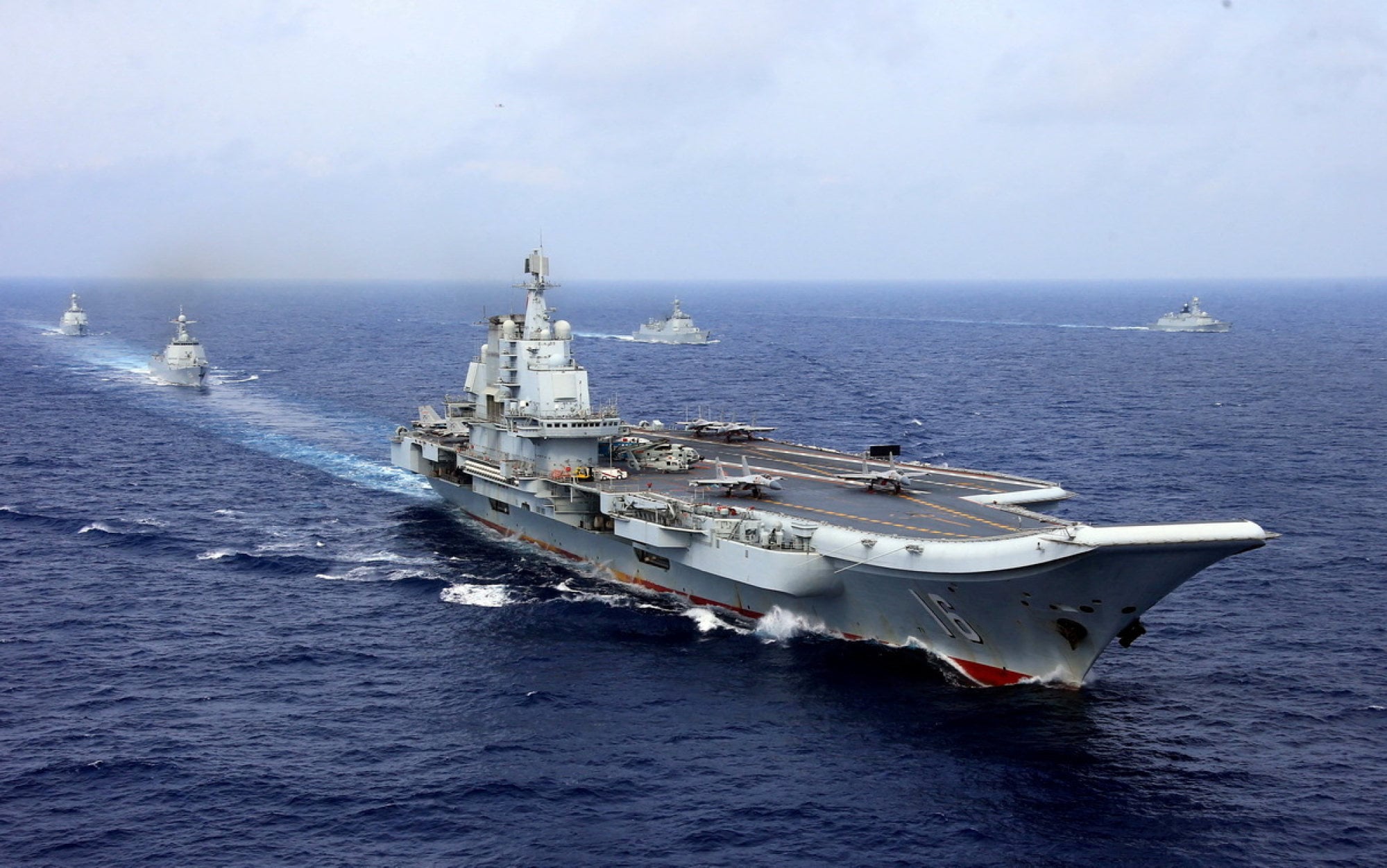
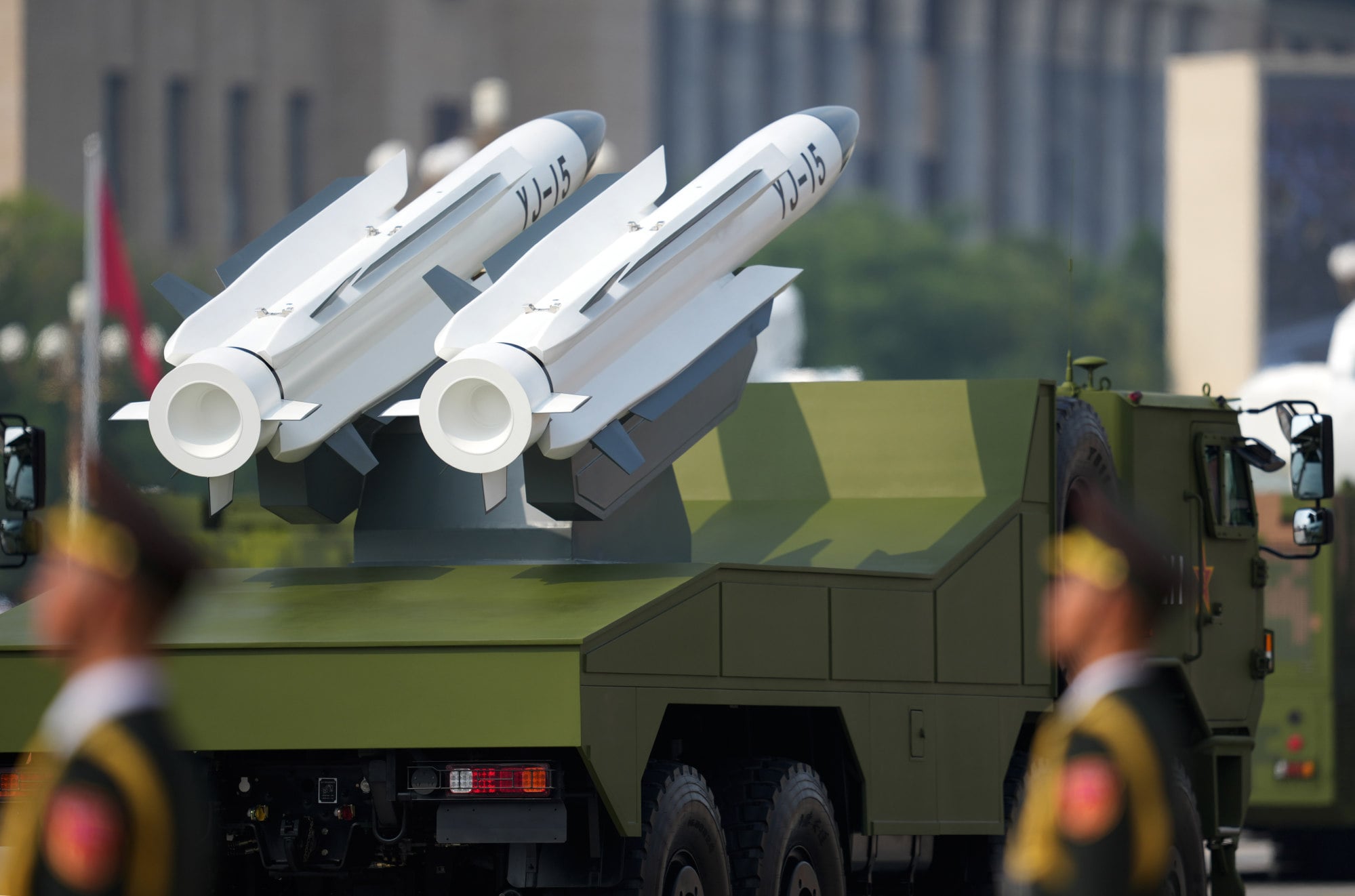
As it approaches its 100th anniversary on August 1, 2027, the PLA is widely seen as having reached “world-class” levels in fields like the air force’s stealth aircraft and unmanned aerial vehicles, the navy’s modern warships, and the rocket force’s wide range of ballistic missiles—capabilities that the 18-year-old Xi Zhongxun could not have possibly envisioned while struggling for his unit’s survival in 1932.
‘Millet plus rifles’
The destiny of Xi’s unit illustrated the common difficulties that had troubled the party’s military for many years.
Since its establishment by a group of under-resourced revolutionaries who launched a revolt in Nanchang on August 1, 1927, the Red Army—later restructured into the Eighth Route Army and New Fourth Army between 1937 and 1945, and eventually becoming the PLA—was typically poorly equipped and faced significant numerical disadvantages against their adversaries, including local warlords and the Japanese, as well as Chiang Kai-shek’s forces.National Revolutionary Army.
Their gear consisted of a mix of arms from different origins, with ammunition mainly obtained through battlefield seizures and heavy weaponry being scarce. Many of the troops originated from poor backgrounds, having little or no official military instruction, and several had not even completed elementary schooling.
Such a force, with little more than “millet and rifles” – asMao ZedongIt was far from being a top-tier unit, let alone a “world-class military”.
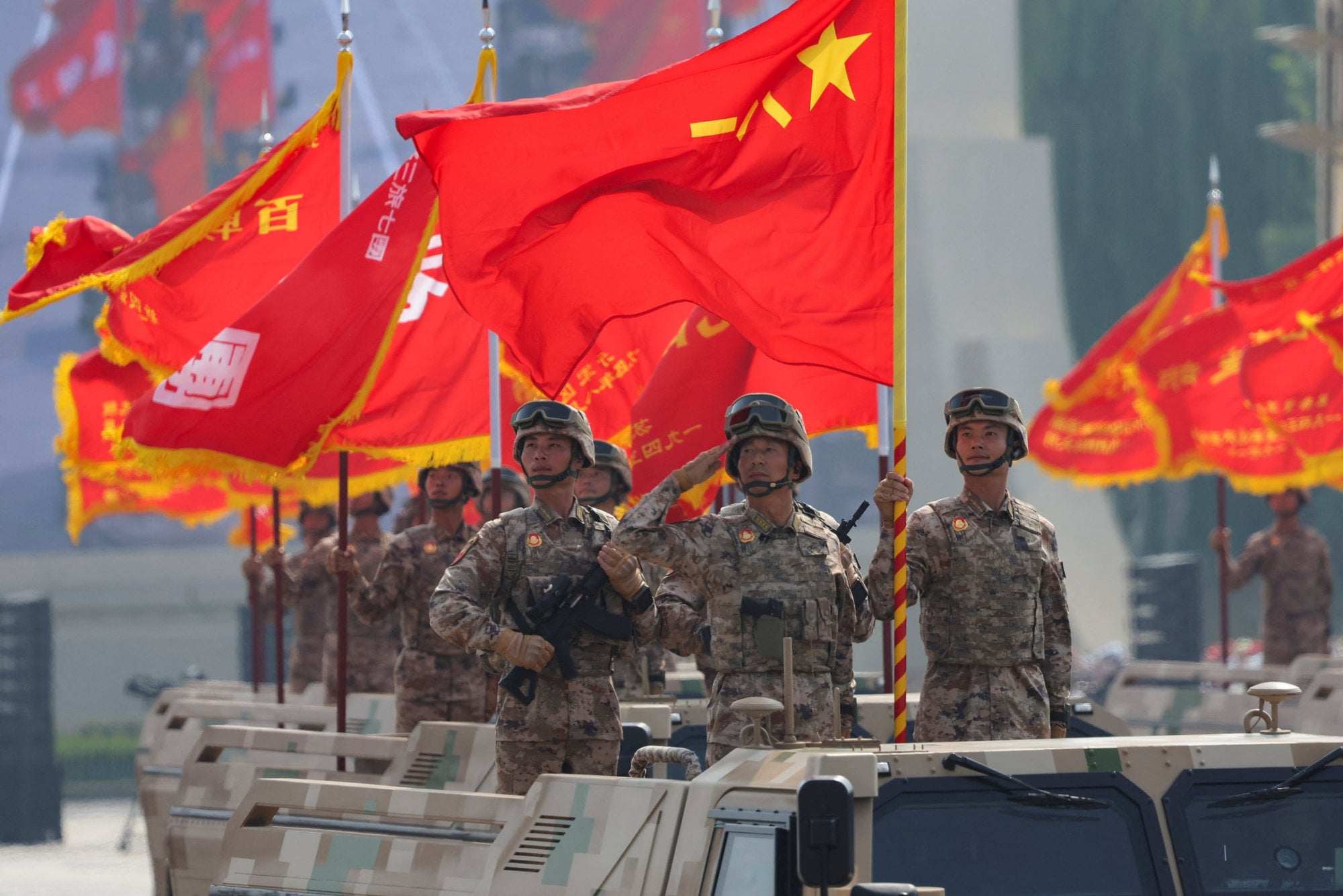
To endure and emerge victorious from a position of weakness, Mao formulated a series ofguerrilla warfare doctrines, making up for shortcomings in quantity and equipment with enhanced mobility, adaptability, and trickery. These strategies became the hallmark of communist forces in the subsequent years.
Maintaining this strategy was unfeasible without exceptional coordination, strict adherence to rules, and relentless determination from the troops, all of which relied on effective political efforts.
According to Ni Lexiong, a political science professor at the Shanghai University of Political Science and Law, one of the most significant institutional advancements in the PLA’s history was the 1927 Sanwan reorganisation, shortly after the establishment of the Red Army.
Ni stated, ‘The Sanwan reorganisation set up Communist Party branches at the company level and reinforced the party’s political authority over the military.’
The system of political commissars, where party officials are integrated into the military hierarchy, was inspired by the Soviet approach and eventually evolved into a distinct dual-command structure at every level.
It continued to serve as a key method for maintaining thePLA’s political loyaltyand ensuring the party’s complete control over the military, Ni added.
From hardship to hardware
During the visits of American journalist Harrison Forman to the communist headquarters in Yanan in 1937 and 1944, he recorded locals creating makeshift landmines from stones, while posters depicting American aircraft carriers and submarines were shown on their walls.cave dwellings.
The posters also included battleships, tanks, airships, and seaplanes, covering everything from technical diagrams to structural concepts, as the Red Army aimed to stay informed about the latest global developments.military technology amid severe hardships.
It served as evidence of the force’s aspirations – even prior to overcoming its opponents and founding the People’s Republic on mainland China in 1949. However thePLA’s ambitionswere limited by the nation’s economic foundation.
While China was impoverished and vulnerable, Mao and Deng Xiaoping concentrated on protecting the mainland. As the economy expanded and military spending rose, subsequent leaders, beginning withJiang Zemin, were able to advance the modernization of the PLA, according to Joshua Arostegui, chairman of China studies at the China Landpower Studies Centre at the United States Army War College.
After setting up the navy and air force in 1949, the PLA initiated a push for “mechanization” during the 1950s, driven by the harsh lessons learned from the Korean War (1950-53).
Faced with the reality of being “rich in spirit but lacking in strength” in its conflict with the United States, the world’s leading industrial power, the PLA sought assistance from the Soviet Union, its enduring ally, during the Cold War.
In terms of hardware, China imported, deployed, and ultimately initiated mass production of standardized Soviet-designed military equipment – including the Type 56 assault rifles derived from the AK-47, the Type 59 tanks based on the T-54, the J-5 aircraft modeled after the MiG-17, and the DF-1 missiles inspired by the R-2. This formed the basis for China’s defense industry, as noted by Ni.
The Soviets also contributed to the organizational structure and operational strategies of the PLA. Thousands of Soviet advisors collaborated with the military, Chinese officers received training at Soviet military schools, and Soviet educational systems and technological expertise formed the basis of the PLA’s contemporary armed forces.
“At that time, the military’s tactical structure and training, as well as its ideological framework, were significantly shaped by the Soviet Union,” Ni stated.
Nukes and satellites
The momentum stopped in the 1960s, as ties with Moscow became strained. China quickly became isolated due to nuclear pressure from both the US and the Soviet Union.
As millions of People’s Liberation Army soldiers readied themselves for the prospect of a significant conflict, researchers and military engineers labored in hidden locations within the Gobi Desert on the “two bombs, one satellite” initiative.
In October 1964, a mushroom cloud emerged over Lop Nur in Xinjiang following China’s first atomic bomb test. Two years later, in 1966, a nuclear warhead was successfully integrated with a ballistic missile, leading the PLA to create its fourth branch – the Second Artillery Corps, now known as the rocket force – to manage its nuclear weapons.
This was succeeded by a sequence of Chinese achievements – the hydrogen bomb in 1967, the first satellite in 1970, the nuclear submarine in 1974, and the successful testing of intercontinental ballistic missiles and submarine-launched ballistic missiles by 1982. Despite still being technologically behind the major powers, the PLA had ultimately created a fundamental nuclear deterrent.
By the time China’s strategic nuclear defense system was established, improving ties with the United States and the broader Western world created a chance in the 1980s, granting the Chinese military access to more advanced Western technologies. More significantly, the enhanced security situation enabled leader Deng Xiaoping to shift the country’s attention towards economic growth, resulting in remarkable expansion and ultimately positioning China as the world’s second-largest economy.
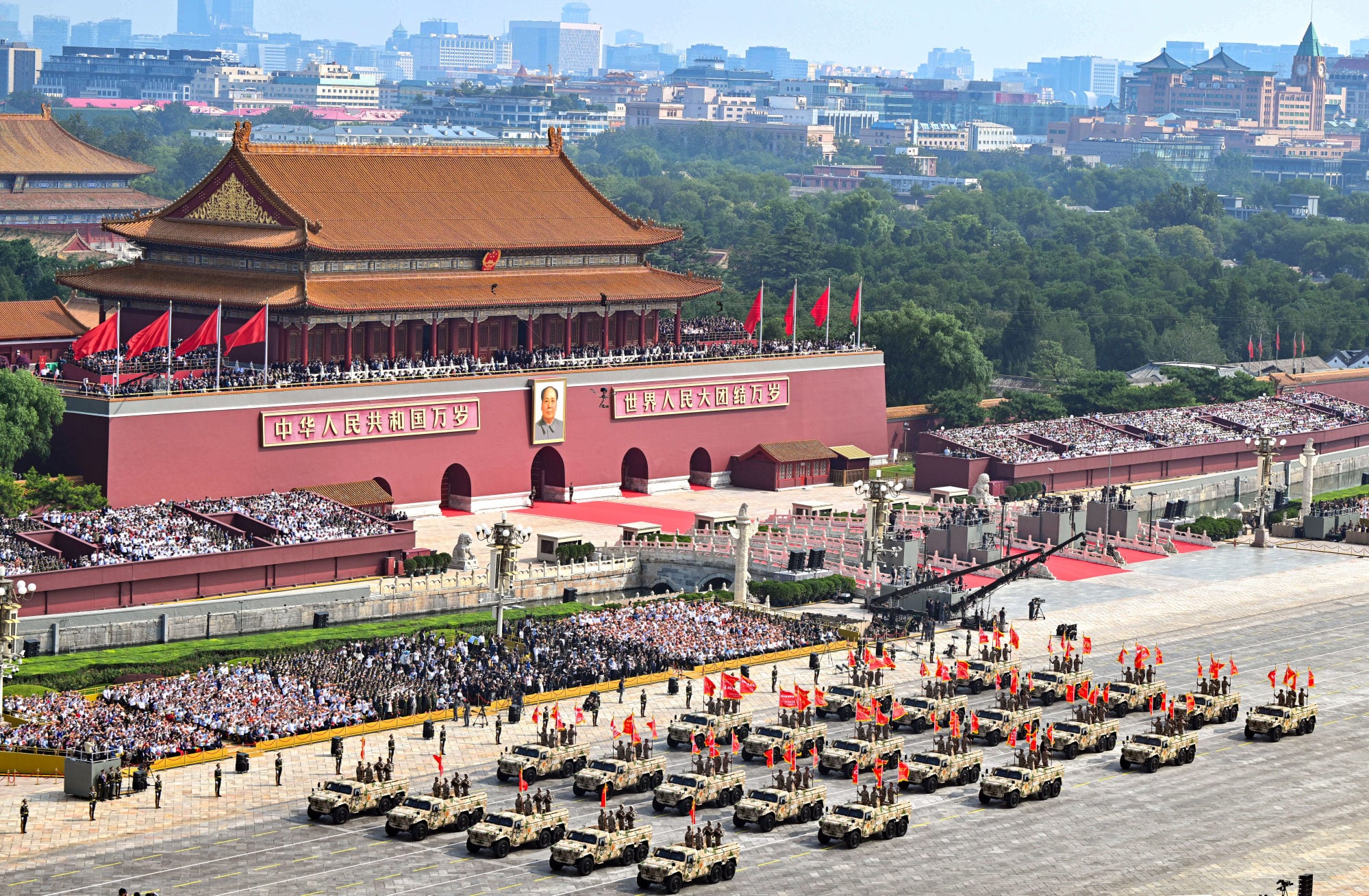
As the urgent security situation improved, military expenditures were cut, and the People’s Liberation Army was downsized by one million personnel.
Several phases of military reduction, initiated during the Deng era, have established the groundwork for the evolution of China’s military forces.
“Even when considering only mechanization and information-driven force development, there had been a significant imbalance between the PLA’s logistics and support staff and its combat units,” he stated.
The Gulf war shock
During the winter of 1991, the actions of the US-led coalition during the Gulf War caused widespread astonishment globally. The Chinese People’s Liberation Army observed with concern as the Iraqi military—whose defense strategy and Soviet-provided equipment were similar to China’s own—was rapidly disabled and defeated within a short period through the use of precision-guided weapons and electronic warfare techniques.
The overwhelming dominance of the entire US military system made the PLA feel a deep sense of technological backwardness and disappointment,” Ni stated. “It persuaded the PLA that significant changes were essential and that it had to examine both the [US military] system and the technologies associated with it.
Since that time, the force has more frequently looked to the US as “the most significant standard and the main power it has aimed to match,” he stated.
Arostegui also mentioned that the Gulf War led the PLA to update its military strategy in 1993, concentrating on readiness for “localized conflicts in a high-technology environment.”
This awareness, he mentioned, was strengthened during the 1995-96 Taiwan Strait crisis, when the presence of two US aircraft carrier battle groups led the PLA to withdraw from its military drills close to Taiwan. The 1998-99 Kosovo conflict, especially the US bombing of the Chinese embassy in Belgrade, reinforced this lesson even more.
“Transformation truly started in the late 1990s – but mainly in technology, not in professional development,” Arostegui stated, noting that the nation’s economy was finally able to back these initiatives.
Starting in 1999, China’s military expenditures increased by double digits for over ten years, driving an extraordinary military expansion. During the late 2000s, the PLA obtained a variety of Russian weapons, such as Sovremenny-class destroyers, Kilo-class submarines, Su-30MKK/MK2 strike fighters, and S-300 surface-to-air missile systems, along with the incomplete Kuznetsov-class aircraft carrier Varyag from Ukraine.
At the same time, the military hastened the domestic advancement of key systems, including DF-31 intercontinental ballistic missiles, Type 093 nuclear-powered submarines, J-10 fighter aircraft, Type 96 and Type 99 main battle tanks, and PHL-03 multiple rocket launchers.
“The gear enhanced the PLA’s appearance of capability, but it [still fell short] in more critical areas that hindered its effectiveness – particularly ‘joint operations’, command and control, and the ability to project power,” Arostegui stated, highlighting the PLA’s capacity to operate as a unified force.
World-class ambitions
By the end of 2012, when Xi Jinping assumed his position, the PLA remained predominantly an army-centric organization and was “just beginning to grasp information-based warfare as it enhanced its digitized capabilities.” These constraints limited its role to a regional deterrent rather than a force capable of projecting Chinese national influence globally.
This was the motivation behind Xi’s extensive reforms from 2015 to 2017, and his efforts to drive a significant transformation into a “world-class military,” Arostegui stated.
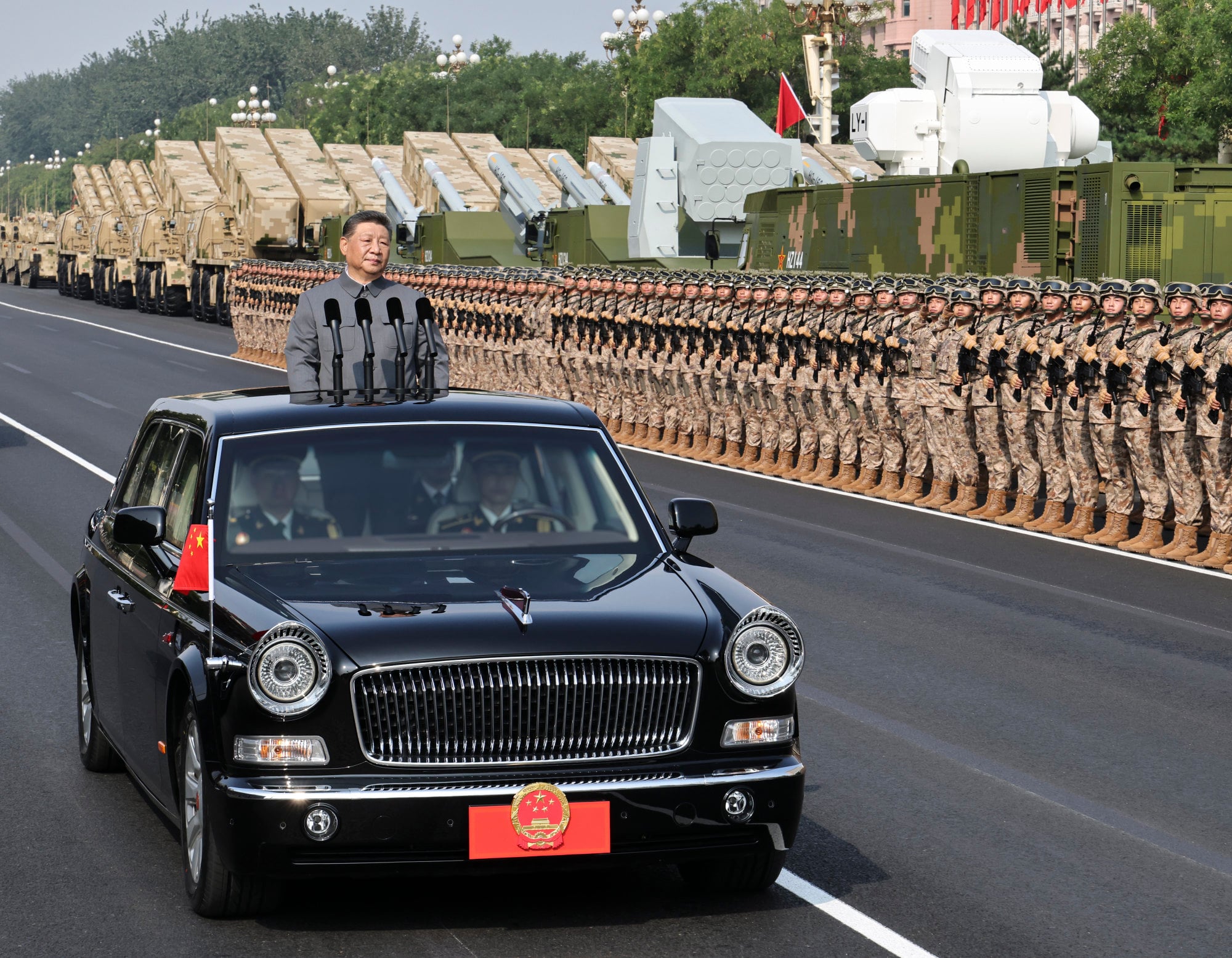
The modifications, to some degree, reduced the conventional supremacy of land forces in the PLA, Ni stated.
Ongoing tensions in global politics have kept driving China’s efforts to modernize its military. Important factors include frequent confrontations between Chinese forces and American ships and planes within the first island chain, along with views of being encircled due to the Obama administration’s 2011 shift towards the Asia-Pacific, as noted by Christian Wirth, a senior associate at the German Institute for International and Security Affairs in Berlin.
“Besides these external factors, it seems that Chairman Xi’s personal perspective on the PLA as an institution—where progress toward its goals has been hindered by deep-seated corruption—has also been a major influence behind the reforms carried out over the last ten years,” he stated.
Although the objective was unclear, US capabilities could, in certain respects, act as a benchmark for what constitutes a “world-class military,” as the key factor was whether the PLA could succeed in a confrontation with the United States, he stated.
As part of a major reorganisation, the Central Military Commission abolished the Soviet-style Four General Departments structure, substituting it with smaller, more specifically focused departments. The seven military regions were restructured into five command theatres to enhance coordinated operations among the different branches, and new units were created to handle logistics and address developing areas like space, cyber, and electronic warfare.
Having imitated “nearly every aspect of the US military,” from joint theater commands to brigade-based modular force restructuring and global power projection, the PLA also experienced real changes in its structure, professional development, and strategy, including a focus on operations across all domains, as stated by Arostegui.
“Serious efforts towards modernization have persisted in the subsequent years,” he stated, referencing established command and control protocols, routine troop rotations, significant changes to the PLA reserve force, and extensive military drills in regions including the South China Sea and outside the first island chain.
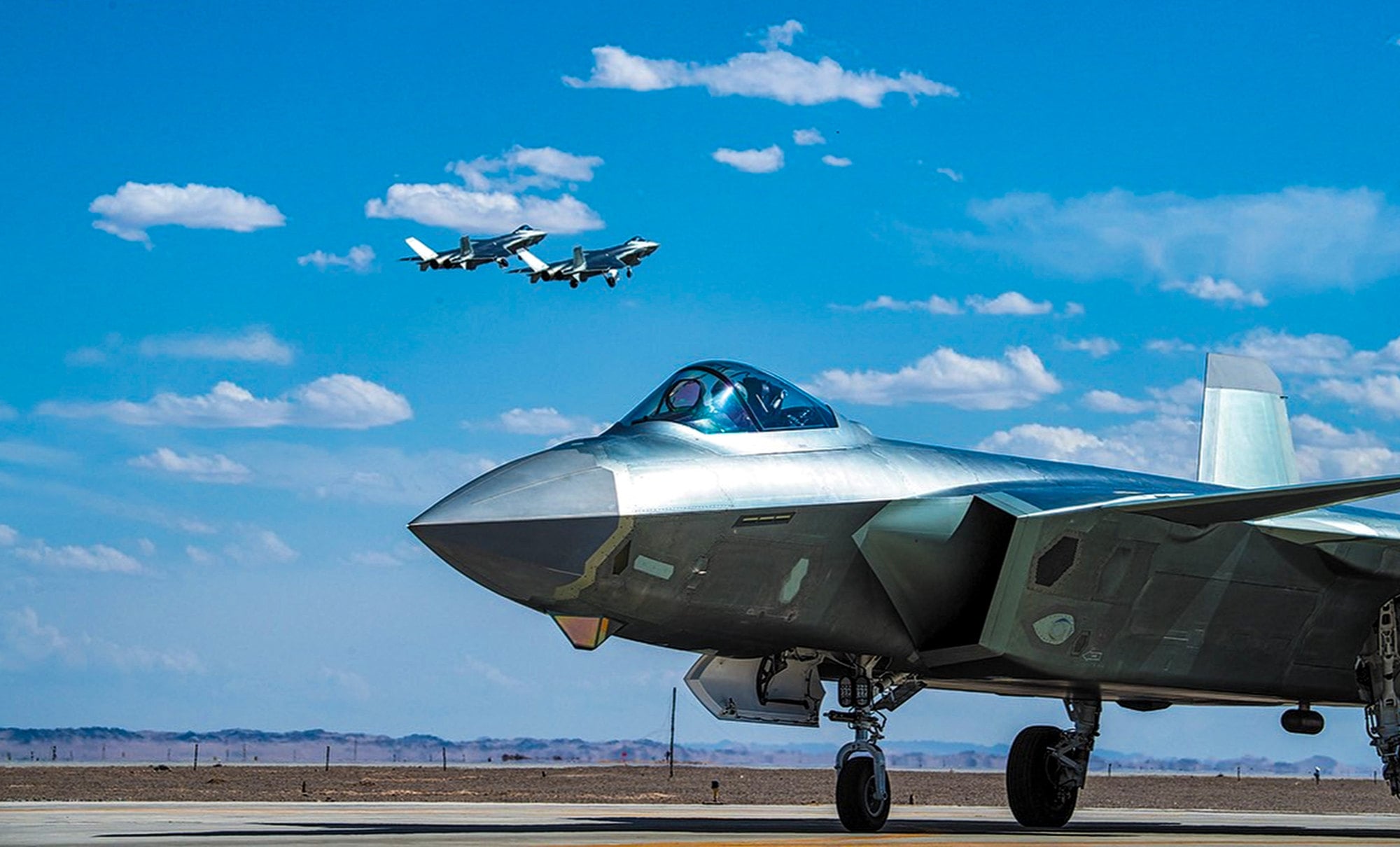
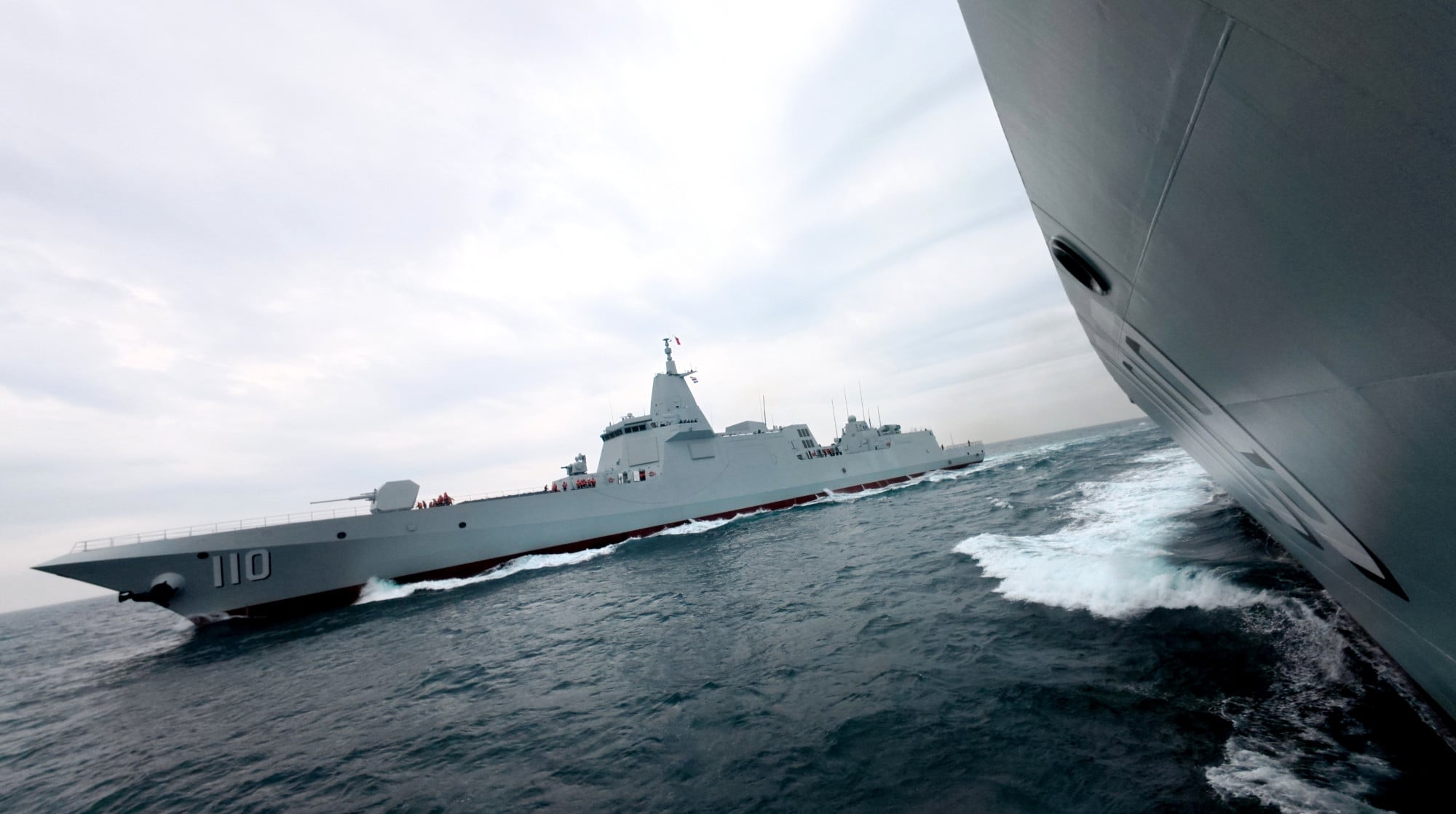
Continued funding for defense research and development, along with the military-civil fusion approach, has started to yield results, with certain Chinese weapon systems now considered among the best in the world. The most noticeable examples include theJ-20 stealth fighter, the Type 055 guided-missile destroyer, hypersonic glide vehicles, and a quickly growing range of aerial, ground, surface, and underwater unmanned systems.
Although the PLA is typically recognized as having reached world-class levels in certain hardware domains, Wirth pointed out that its journey toward becoming a top-tier military force would always be “an ongoing process.”
He mentioned that only during real warfare would the procedures of the military hierarchy and the interaction between military and political leaders be established and modified.
“Nevertheless, each conflict situation is different, and any military force will face consequences when trying to adjust to the specific characteristics and evolving nature of a conflict,” he stated.
Fundamental military preparedness can potentially be attained without engaging in a war first, although the cost of gaining practical experience in operations and combat is likely to be greater.
Further reporting by Alcott Wei
More Articles from SCMP
Can the Western world truly separate itself from China?
Hongkong Land secures Singapore’s Wheelock Place in a $900 million transaction
6 injured as truck and minibus crash on Hong Kong’s Castle Peak Road
This piece was first published in the South China Morning Post (www.scmp.com), a top news outlet covering China and Asia.
Copyright (c) 2026. South China Morning Post Publishers Ltd. All rights reserved.


 jasdooit
Leave a comment