
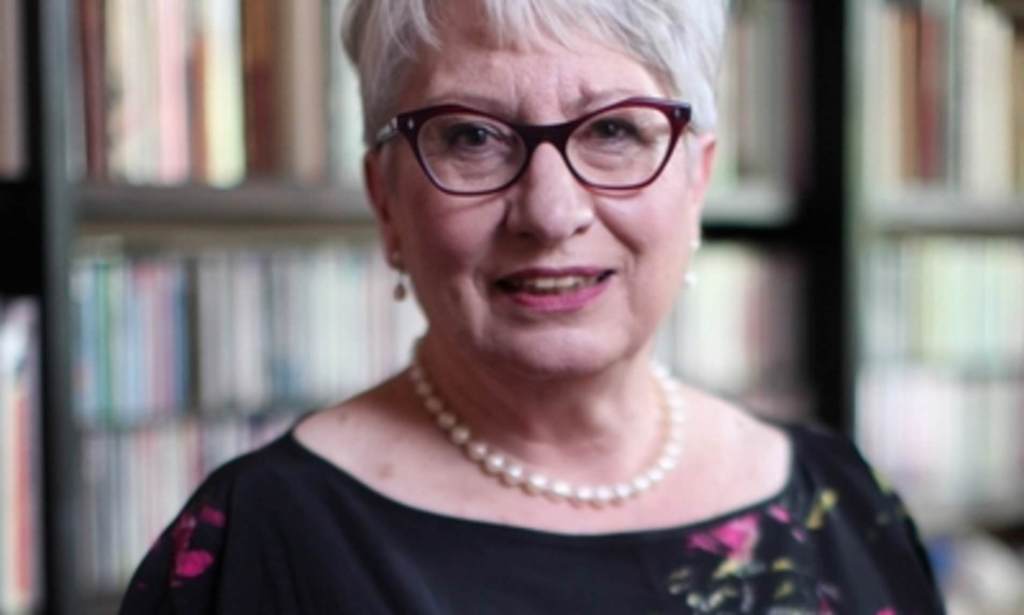
A prominent specialist in the condition has cautioned that many autistic individuals in Britain might not actually have the disorder, as there is a concerning rise in diagnoses.
The issue with learning and development, as described by Professor Dame Uta Frith, has grown ‘too wide’, ‘unclear’, and is shaped by ‘misleading’ concepts shared through social media.
Professor Frith, of the Institute of Cognitive Neuroscience at University CollegeLondon, conducted groundbreaking research in the 1960s and 1970s that shaped the medical community’s perception of autism and its effects on everyday living.
A strongly worded article released today features a psychologist discussing the significant shift in diagnostic standards for the condition over the past 80 years.
“In the 1940s, it was initially recognized as a small group of children facing significant challenges in social interaction, communication, and behavior,” Professor Frith noted in the journal Psychological Medicine.
Gradually, the definition has expanded to encompass individuals with less severe characteristics and without any language or learning difficulties.
Currently, individuals of any age or intellectual capacity may receive an autism diagnosis provided they fulfill specific standards.
She mentioned that the term has turned into a ‘general diagnosis’ for various psychological issues that need distinct approaches.
Latest data indicates that the number of UK patients waiting for specialist assistance with autism has increased threefold since 2021.
Over 200,000 individuals are currently waiting for a review, matching the size of Luton or Portsmouth’s population.
In the past two decades, according to research, there has been an increase of over 700 percent in diagnoses.
Previously, experts have attributed the rise to greater awareness of the condition’s symptoms, driven by videos shared on social media.
Autism is a condition that lasts throughout a person’s life and affects how they perceive and engage with their surroundings.
It often leads to difficulties in communication, social interaction, and acquiring knowledge.
Some individuals also experience a learning disability, and those affected by the condition are more likely to face various physical and mental health issues such as epilepsy, eating disorders, and anxiety.
Charities now refer to autism as a ‘neurodivergence’ instead of a developmental issue. However, Prof Frith believes this contributes to further confusion.
Although this helps decrease stigma, it also leads to conflict,” she wrote. “If autism is not a condition, why employ a medical diagnosis?
The specialist attributed the spread of simplified perspectives on autism to social media. She mentioned that the condition has “entered mainstream culture.”
Social media, movies, and digital groups have enabled individuals to exchange stories, yet they have also promoted oversimplified or inaccurate concepts.
Professor Frith has urged healthcare professionals to recognize additional mental health issues that could be involved and to provide suitable treatment to patients.
“There are methods to alleviate the symptoms of anxiety and depression,” she stated. “Additionally, there are strategies to develop resilience when dealing with major social stress.” She mentioned that these techniques would not be suitable for autism identified in childhood.
Meanwhile, treatments exist for issues that are specifically associated with autism, such as experiences of exhaustion and sensory overstimulation.
‘This shift would indicate a new path towards proper assistance…and address the unfortunate oversight of individuals with the most significant disabilities,” she stated.
It is believed that approximately 3% of children in the UK are affected by autism.
Early indicators involve avoiding eye contact, not reacting when their name is called, engaging in repetitive behaviors, and showing less interest in playing, as stated by the NHS.
In response to the essay, Mel Merritt, who leads policy and advocacy at the National Autistic Society, stated: ‘Autism is recognized as a spectrum. As the article highlights, previously people believed the spectrum was a straight line from ‘more’ to ‘less’ autistic, but this is not accurate.’
Today, we recognize the spectrum as representing the distinct set of traits that each autistic individual possesses.
Words like milder characteristics might be confusing or not useful in showing the challenges and effects of dealing with everyday life for many individuals. Autistic people can vary greatly from one another, each having their own specific strengths and difficulties. This does not mean that those with significant support requirements should be overlooked or ignored.
Individuals on the autism spectrum require improved access to high-quality evaluations and personalized assistance.
The genuine discussion regarding autistic individuals centers on tackling the long-standing disparities they encounter. It is counterproductive and misleading to create a false dilemma by pitting autistic people against one another—providing appropriate support from an early stage and fostering greater comprehension significantly benefits all autistic individuals.




 jasdooit
Leave a comment