

Even a country’s annual budget is not managed in this manner. Budgets can be modified according to political interests or timing and can be corrected through post-audit procedures. Even if they end up being fragmented, the harm is confined to one year. However, the Criminal Procedure Act, a fundamental law that regulates the nation, directly affects citizens’ physical freedom and their lives. The impact of a single clause or phrase on society is immeasurable, which is why advanced nations exercise caution and take years, sometimes decades, when revising essential legal structures. For example, in France, the “Organic Law (Loi organique),” which oversees national procedures, must go through a required constitutional review by the Constitutional Council before it is enacted.
The United Kingdom, which historically did not have a dedicated prosecution service, set up the “Phillips Commission” in 1978 following several instances where innocent individuals were wronged by the criminal justice system during the 1970s. The commission gathered comprehensive evidence from legal professionals, law enforcement, and community organizations, and carried out a detailed examination of the judicial system. After three years of thorough research and four years of drafting, the Prosecution of Offences Act was passed in 1985, with a year of preparation before the Crown Prosecution Service (CPS) was formed. This demonstrates the principle of the rule of law, where the potential consequences of a single provision are carefully examined to reduce harm to the public. The idea of separating investigation and prosecution began here.
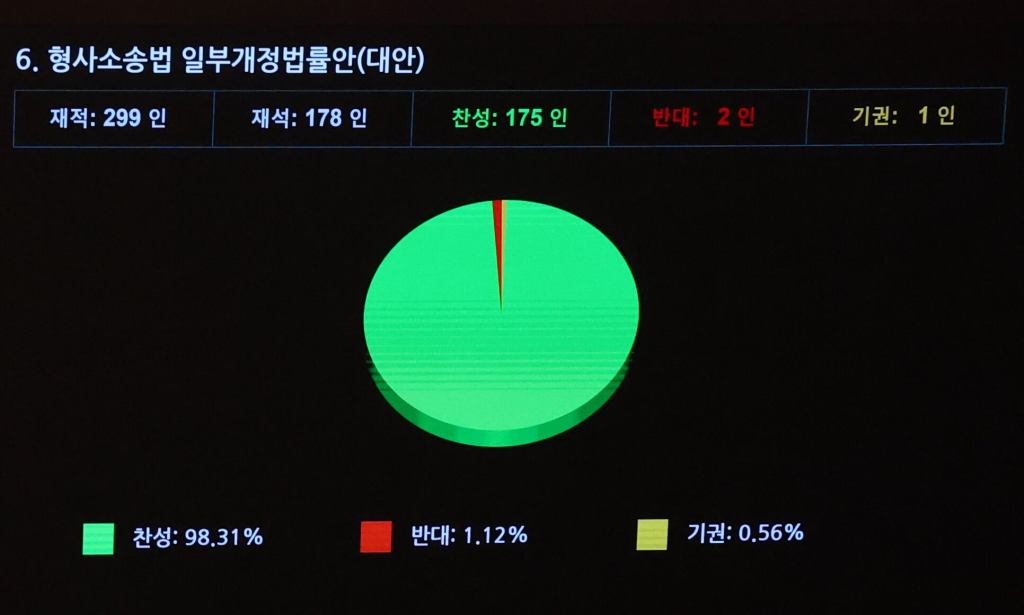
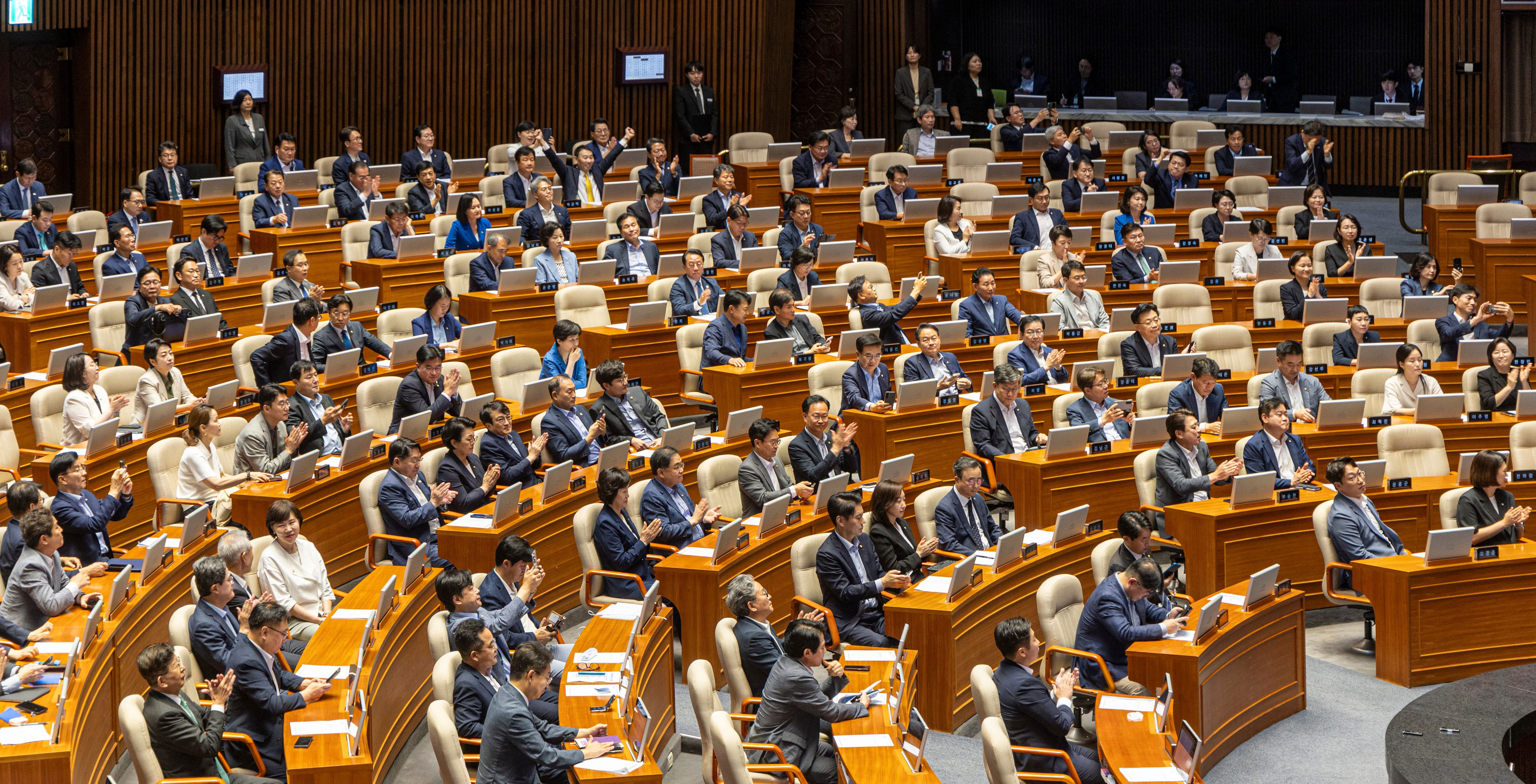
In South Korea, an amendment modifying the country’s judicial system was quickly approved in the National Assembly without proper testing, consensus between parties, or input from specialists. The unusual treatment of the Criminal Procedure Act—a key legal document—during a Friday in the middle of the holiday period has raised concerns that long-term legal changes have turned into symbols of internal party conflicts. The ruling party’s initial regional leadership election was planned for the weekend, giving the impression that a law impacting citizens’ fundamental rights was being put aside for a political event.
Legal professionals, advocacy groups for victims, and civil organizations voiced significant worry, yet the political arena, consumed by popularity battles driven by fans, rejected even ideas aimed at reducing the consequences of removing prosecutors’ additional investigation powers. Recommendations from specialists, including the “full-transfer system” and “required prosecutor input during initial investigations,” were overlooked, resulting in the nation’s core legal framework being damaged by those without expertise. The outcome is a ridiculous situation where individuals who pay party fees for a particular political group determine the lives of every citizen.

Law enforcement officials and prosecutors at the forefront are experiencing turmoil. The motivation of dedicated officers who have upheld a sense of fairness has significantly declined. Although addressing specific misconduct is important, tearing down the entire legal system under such justifications is like “burning down the house to kill a flea,” according to experts.
Most concerning is the upcoming “privatization of criminal justice expenses” after the updated law comes into effect. In the past, the state was responsible for investigations and prosecutions, ensuring the protection of victims’ rights. However, under the new system, victims will often have to gather evidence and hire lawyers on their own to demonstrate their claims. Police will need legal knowledge similar to that of prosecutors, leading to a large-scale recruitment of legal staff at public cost. Unless there is substantial growth in the state-provided legal aid system for victims, the investigation process will turn into a system where access depends on personal financial resources. The affluent and influential will obtain relief through costly legal services, while the socially disadvantaged and regular citizens may be left outside the reach of the law. This erodes the public character of criminal justice and marks a regrettable step backward, entrusting justice to market principles.
To avoid hasty laws, it is crucial to have institutional protections. These consist of implementing a two-chamber system, allowing for the recall of legislators, and requiring the Constitutional Court to conduct a constitutional review of fundamental legal processes. If legislative overreach leads to significant damage, the involved lawmakers should be held accountable not only through historical and political scrutiny but also through constitutional and legal consequences. Legislators must place their responsibility as independent constitutional officials above party conflicts, adhering to public expectations and the principles of the rule of law. Neglecting this could lead to the distortion of the country’s systems and democracy by extreme advocates of certain groups, pushing the well-being and safety of all citizens to the background. The future appears concerning.



 jasdooit
Leave a comment