
Christopher Nolan’s movie *The Odyssey* has set new IMAX box office records. As of August 9 (local time), the film generated 289 million dollars (about 408.8 billion South Korean won) in IMAX venues globally, exceeding the 2009 record of 271 million dollars established by *Avatar*, making it the top-earning IMAX film ever.
IMAX, a film format created by the Canadian company IMAX Corporation, is known for its enormous screens that occupy the viewer’s entire visual field along with ultra-high-definition images. *The Odyssey* marks the first full-length movie shot entirely using IMAX 70mm film cameras. The IMAX 70mm film offers roughly nine times the frame size of conventional 35mm film, enabling it to capture more image details and retain clarity on big screens. Its digital resolution is comparable to 18K. Nolan has expressed the charm of IMAX as “an experience where the screen appears to vanish” and “a 3D-like sensation without the need for 3D glasses.”
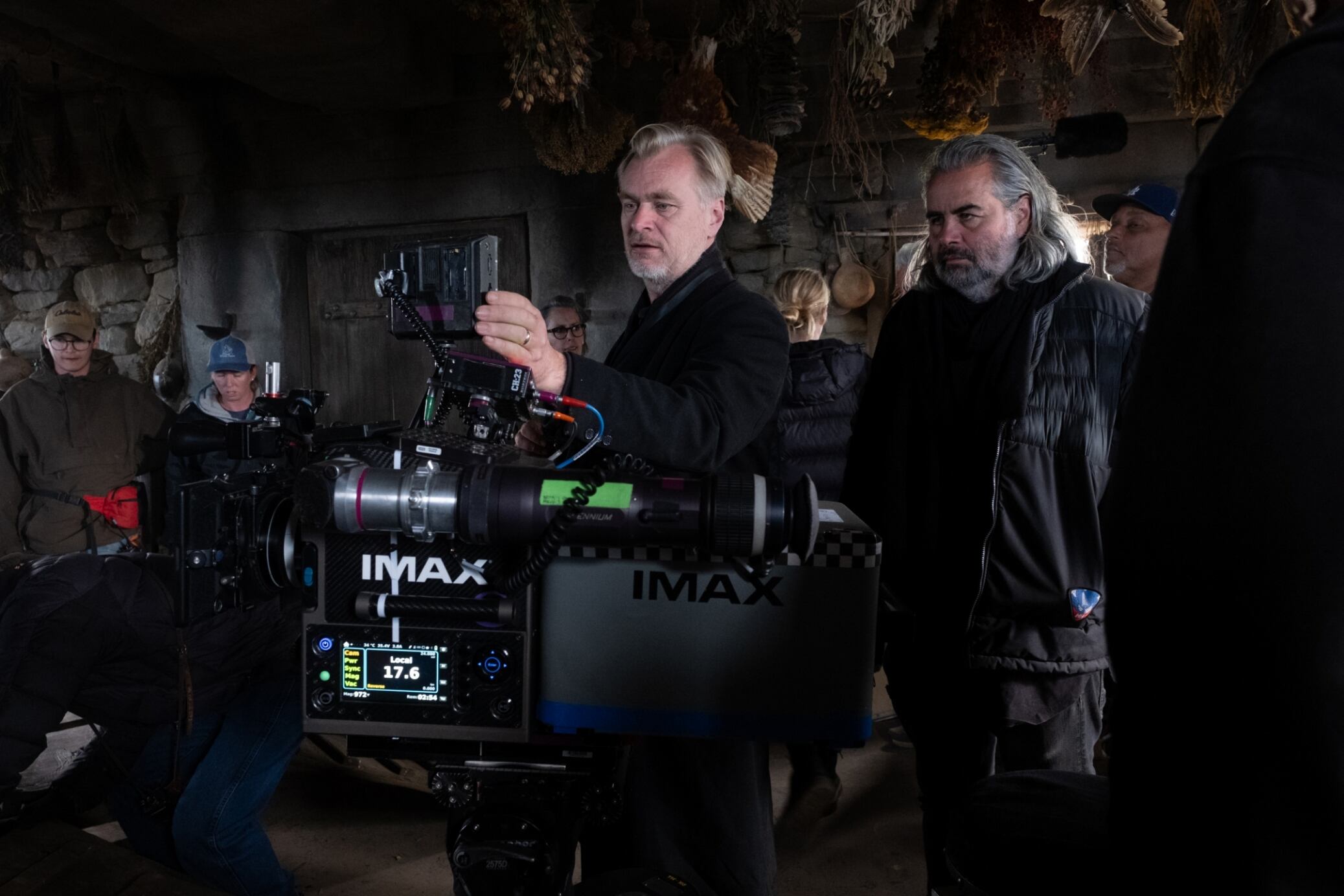
The problem stems from the limited number of theaters able to show IMAX 70mm film—just 41 worldwide. This shortage has led to an “IMAX Odyssey” trend, where fans are traveling across cities or countries to experience the movie under the best viewing conditions. Tickets have been resold at prices ranging from 500 to 1,000 dollars (about 700,000 to 1.4 million South Korean won).

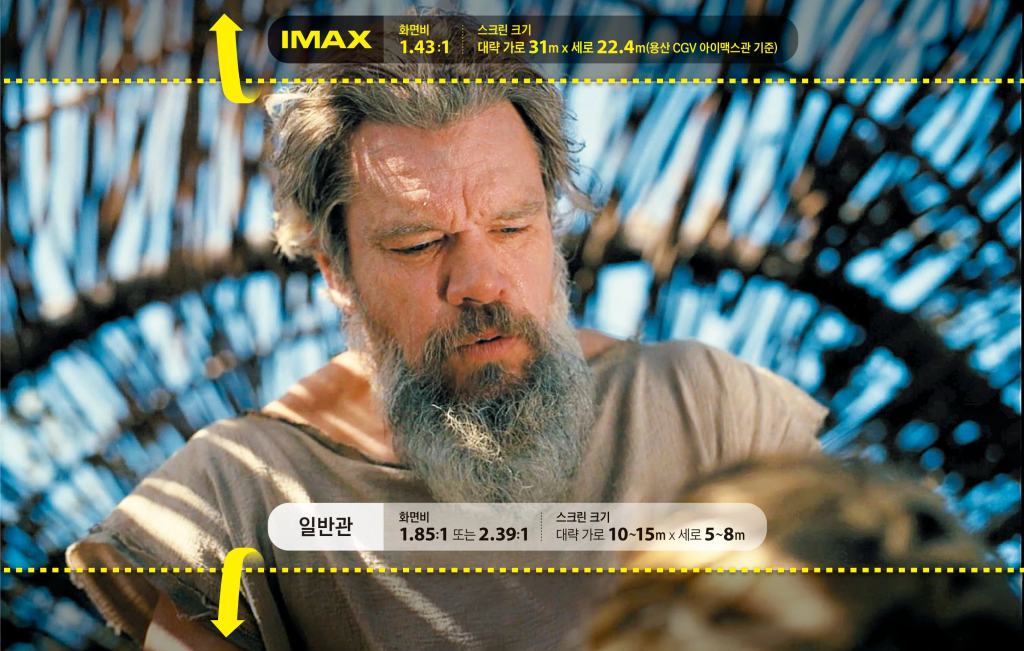
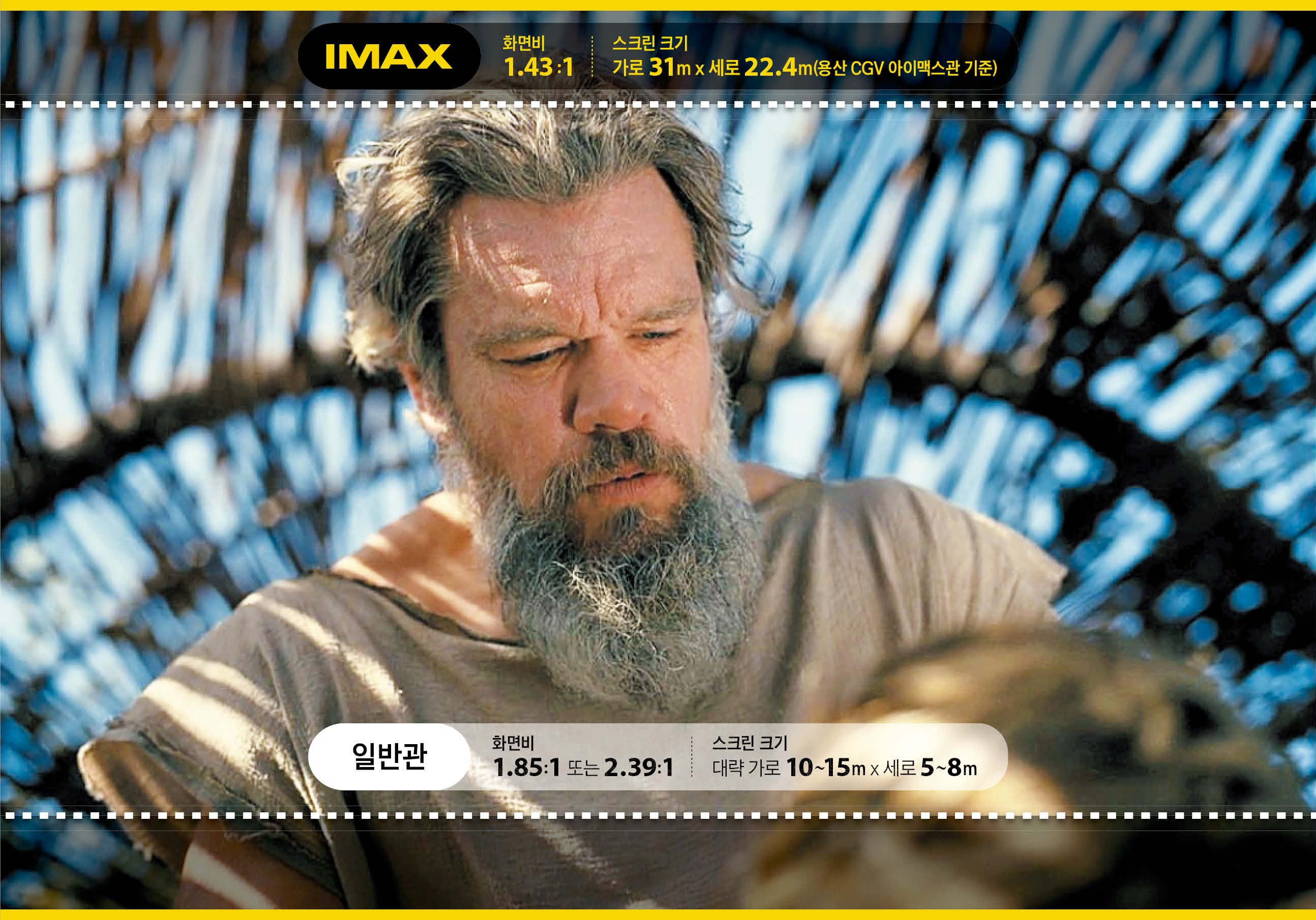
South Korea does not have any theaters that use IMAX 70mm film projection technology; all showings are digital. The only place that maintains the 1.43:1 aspect ratio that Nolan used is the CGV Yongsan I’Park Mall IMAX Theater, known as “Yongamax.” In standard cinemas, portions of the top and bottom of the image are cut off because of different aspect ratios. Online comparisons highlighting the differences between IMAX and regular screens have increased the belief that “it should be seen in IMAX.”
Consequently, reserving tickets for “IMAX prime seats” has turned into a highly competitive process since the movie came out. By August 25, when reservations began, almost all seats except those designated for disabled guests and front-row spots at “Yongamax” have been fully booked. In comparison, standard theaters have an average occupancy rate of approximately 50%.
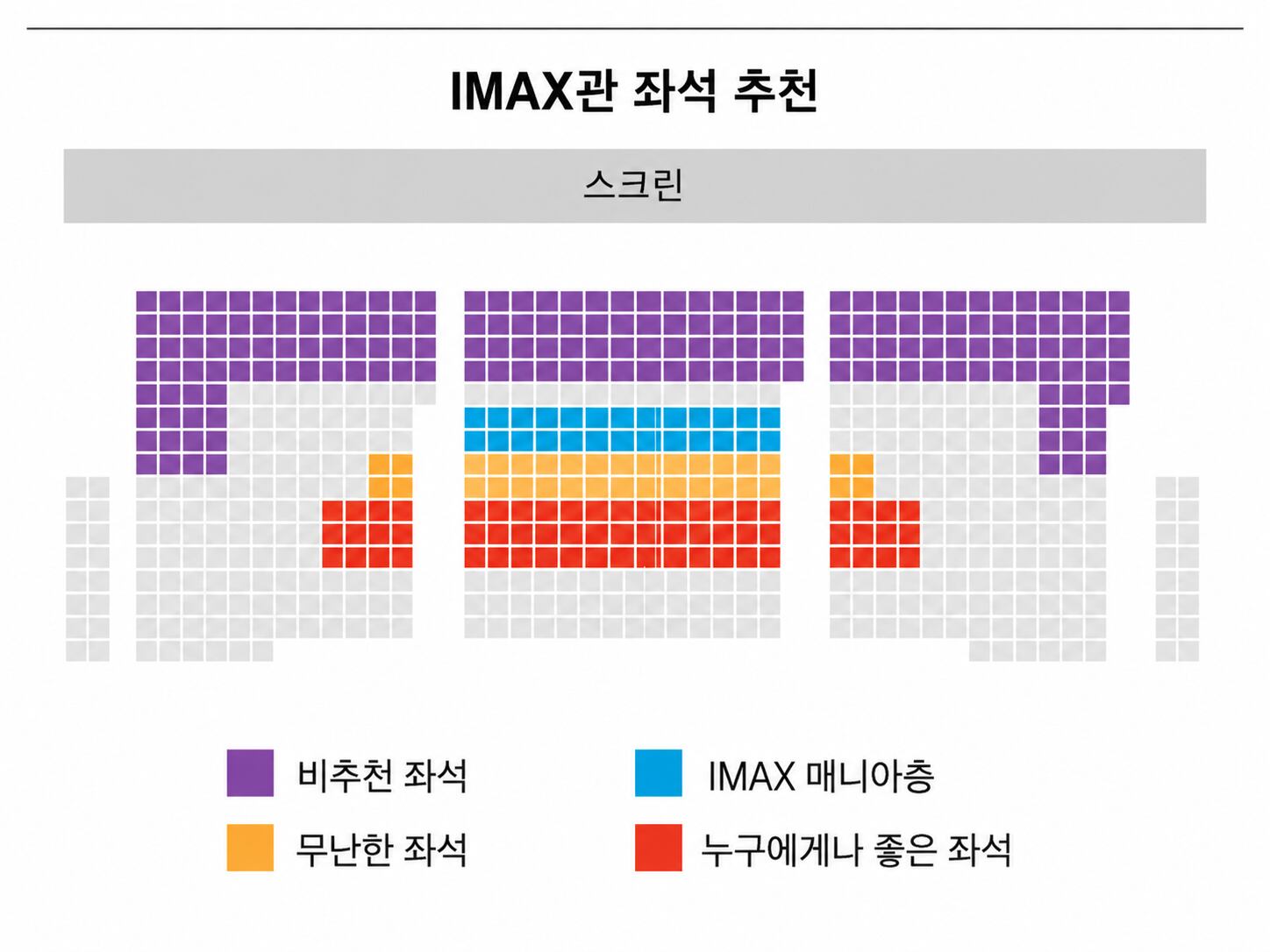
However, purchasing IMAX tickets without careful consideration can result in an unsatisfactory experience. The large screen size can make seating outside the central “prime” area less enjoyable. For example, seats in the front can make it hard to see the whole screen, while those at the back may diminish the immersive effect of IMAX because of the distance. Online reviews from front-row viewers, like “I could only see the actors’ chins,” have become widely shared. In certain situations, selecting a central seat in a standard theater might be better than a non-prime IMAX seat.
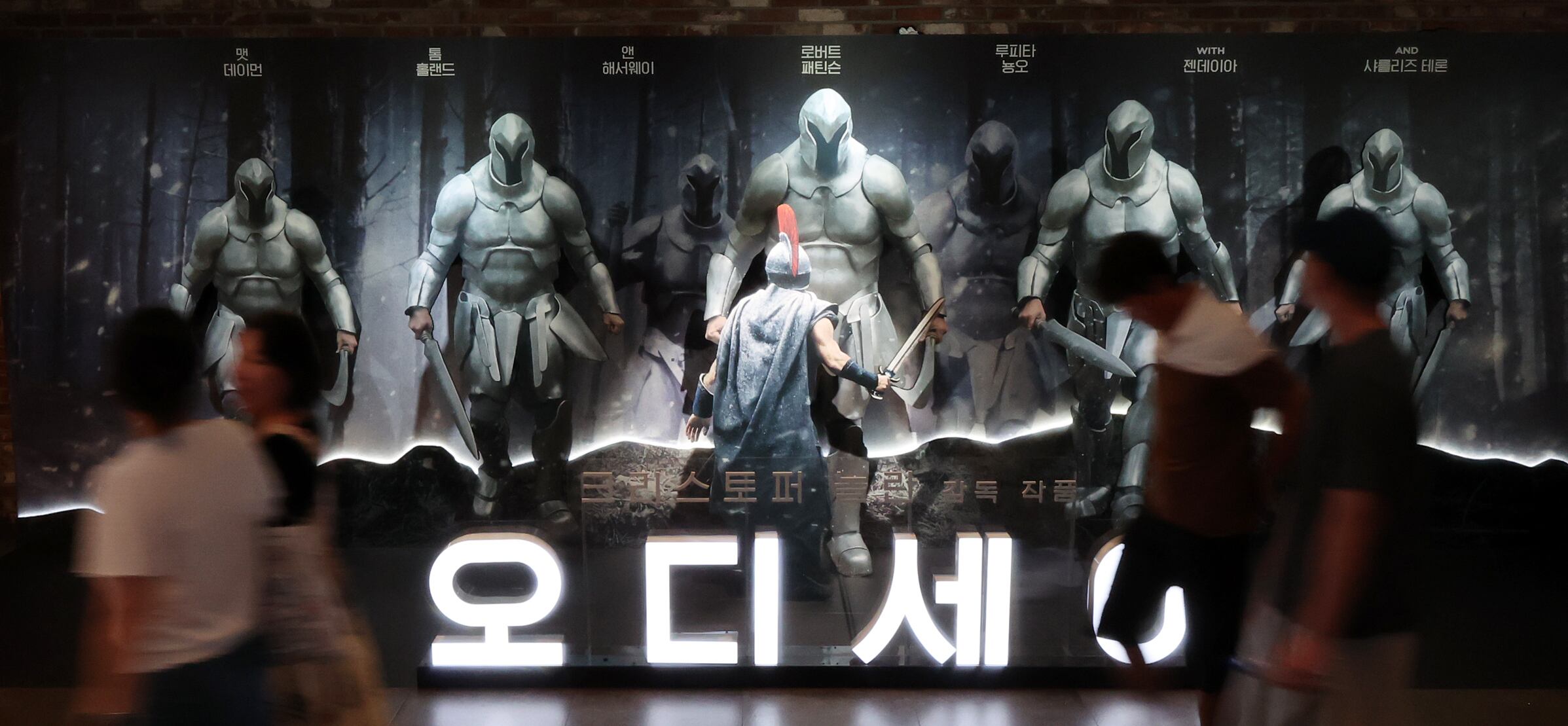
Nevertheless, secondhand trading sites are overwhelmed with listings selling IMAX tickets. On Bunjang, more than 270 posts offering *The Odyssey* IMAX tickets were posted on August 10 alone. The prices varied between 30,000 and approximately 50,000 South Korean won per ticket, while “premium” seats on Friday nights were priced at 150,000 South Korean won. Some vendors of weekend premium time tickets did not specify a set price, but instead invited buyers to “begin with 100,000 South Korean won.”
Scalpers who reserve several seats in advance and then cancel the ones they don’t sell just before the show have also appeared, resulting in an increase in “cancel ticketing” (a blend of “cancel” and “ticketing”). Online platforms now include self-proclaimed “cancel ticketing experts” who monitor cancellations for a fee. CGV mentioned, “We continuously monitor bookings and limit logins or cancel suspicious bookings, but it’s difficult to completely resolve the issue.” Although the performing arts industry is planning to implement a “scalping eradication law” that would fine scalpers up to 50 times the sale price, movie tickets are not covered by this law, leaving them in a regulatory gap.



 jasdooit
Leave a comment