
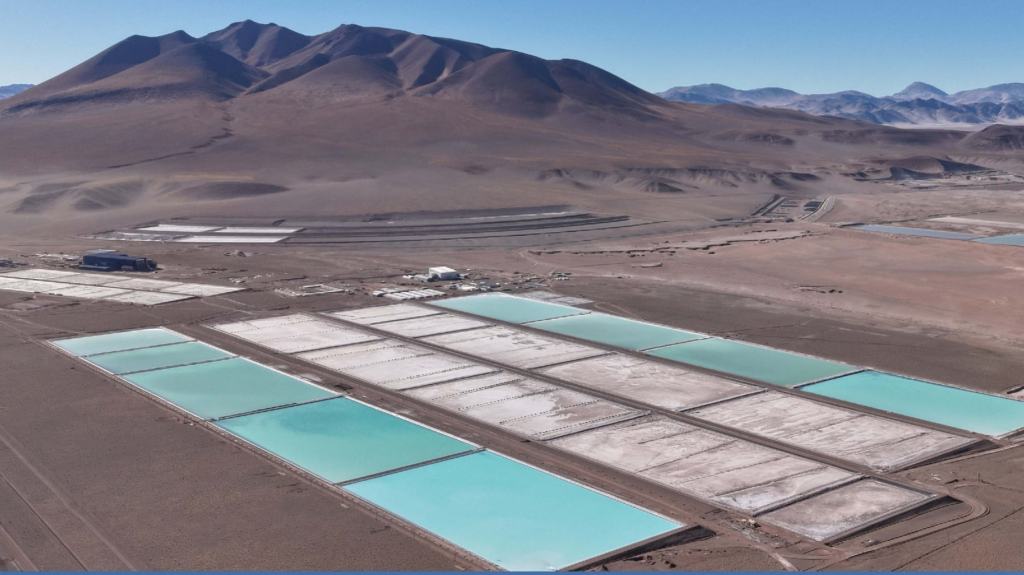
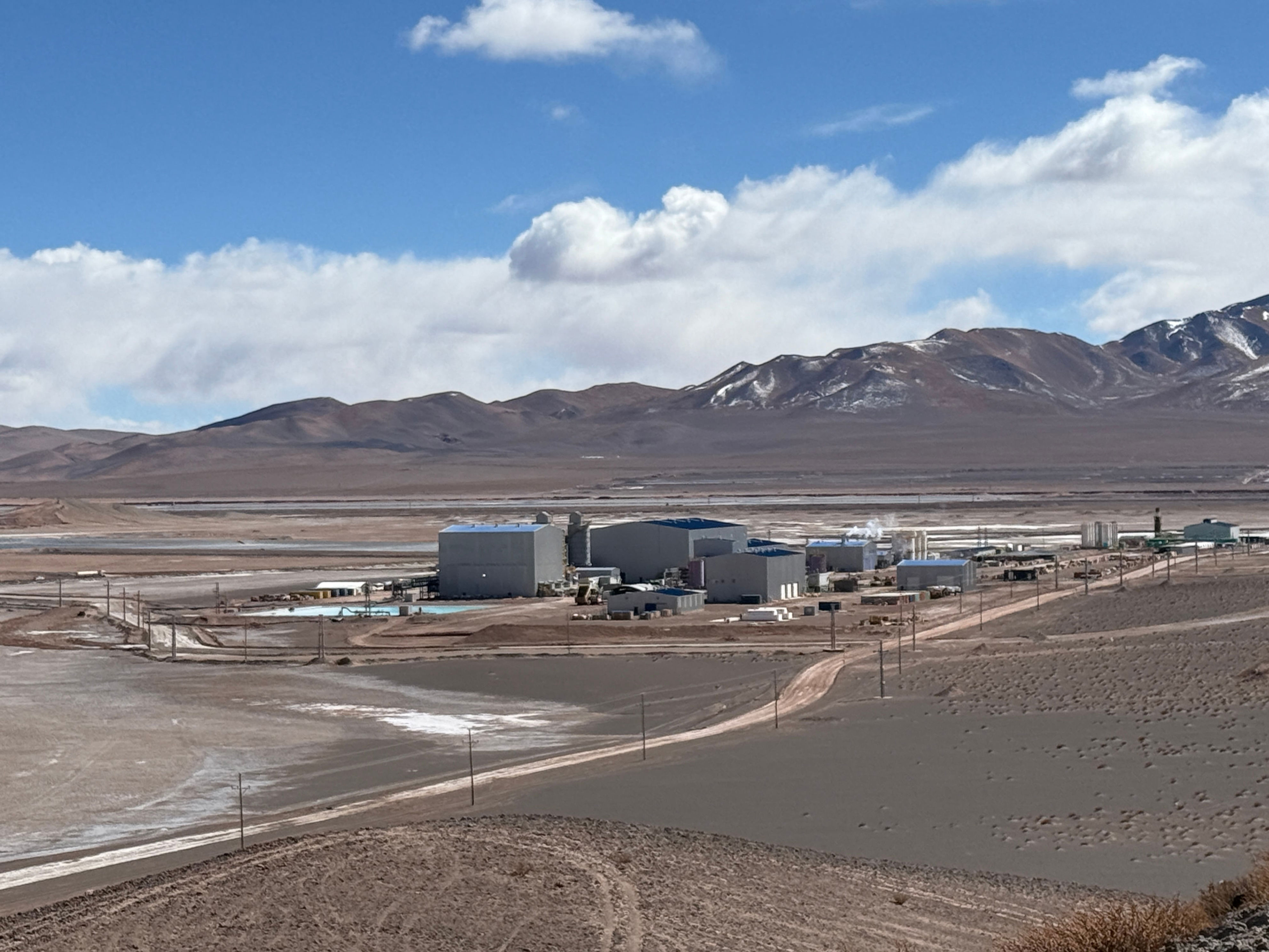
On August 19, 2026 (local time), following a 40-minute journey in a 16-seat small aircraft that took off from an airstrip in Salta Province, located in northwestern Argentina, the expansive Hombre Muerto Salt Lake became visible through the window. Although its name means “Salt Lake,” when observed up close, it looked like a vast area of dry land. Its real significance was beneath the surface, where significant deposits of lithium-rich brine are found.
POSCO Group obtained the rights to mine about 3 million tons (estimated) of lithium within a 287 square kilometer (86.81 million pyeong) region of this salt lake, investing 280 million dollars (roughly 310 billion Korean won at that time) in 2018 and 65 million dollars (approximately 95 billion Korean won) this year. This amount is sufficient to manufacture batteries for approximately 70 million electric vehicles.
Lithium, a crucial component in batteries used for electric vehicles and energy storage systems (ESS), is frequently referred to as “white gold.” In recent times, the demand for lithium has grown beyond just electric vehicles, now also encompassing ESS for AI data centers. Nevertheless, since China holds 75% of the world’s refined lithium production, there are ongoing worries that Beijing might leverage its control over lithium supply chains in the face of intense competition within upcoming high-tech sectors. This is why the POSCO Group has made significant investments in this area over the past ten years, located halfway around the globe.
◇Touring the Lithium Facility Located on the Other Side of the World
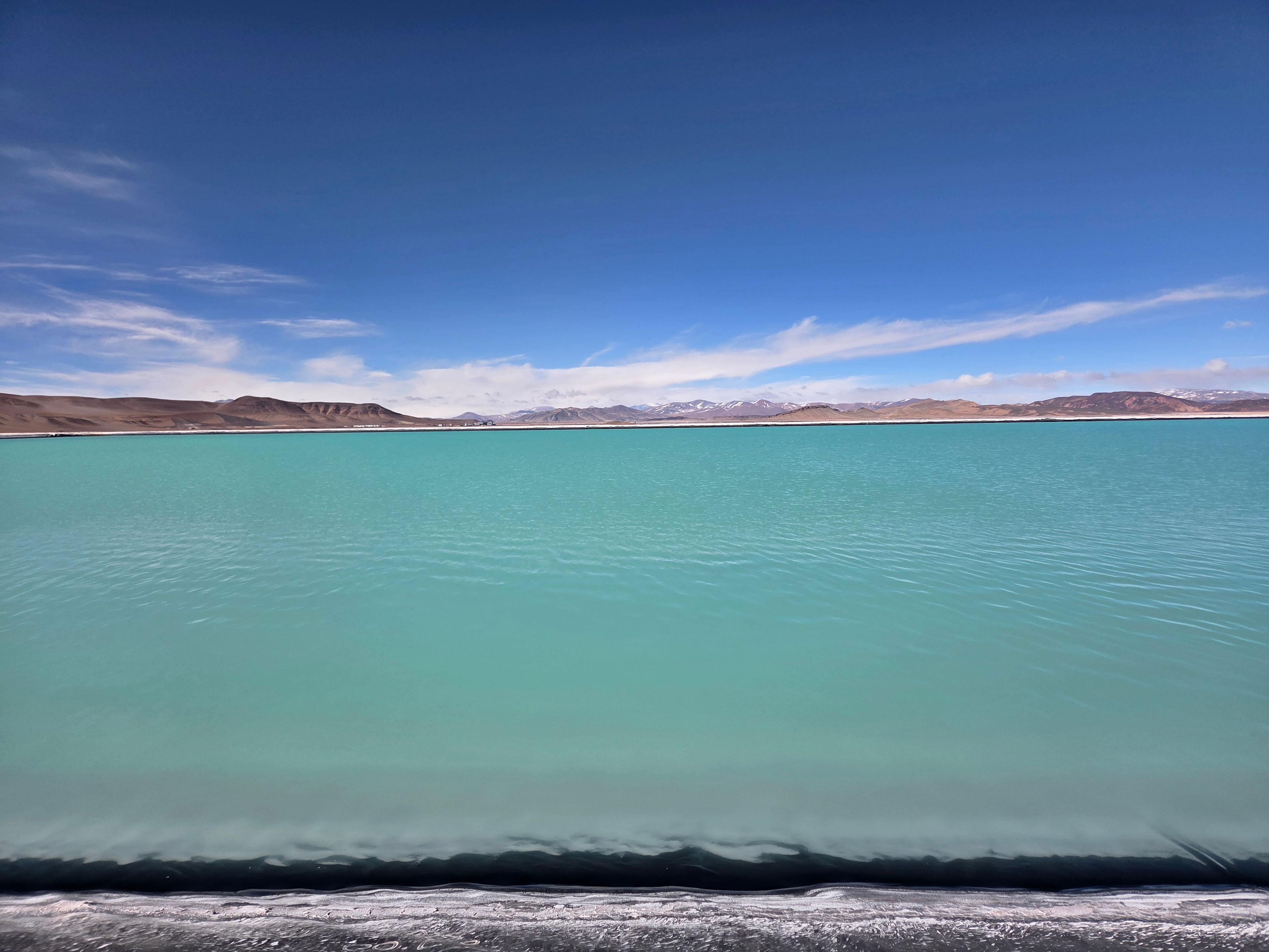
Close to the POSCO Group’s lithium facility, which started functioning in 2024, there are bright blue artificial ponds where brine drawn from as deep as 700 meters below the surface is gathered. Following four months of evaporation caused by sunlight and wind, the majority of the water is eliminated. Phosphoric acid substances are then introduced to extract the dissolved lithium in the form of solid lithium phosphate, which is transported to a nearby refinery to create lithium hydroxide for batteries. With about 92 grams of lithium dissolved in every 100 liters of brine, this salt lake is considered one of the most concentrated in the world.
At the start of the investment, many viewed it as a “reckless gamble.” Fluctuations in lithium prices created uncertainty regarding profits, and worries increased about the extended time needed to recoup the initial costs. The price of lithium dropped because of a global electric vehicle “gap” (a brief period of stagnant demand), resulting in ongoing losses.
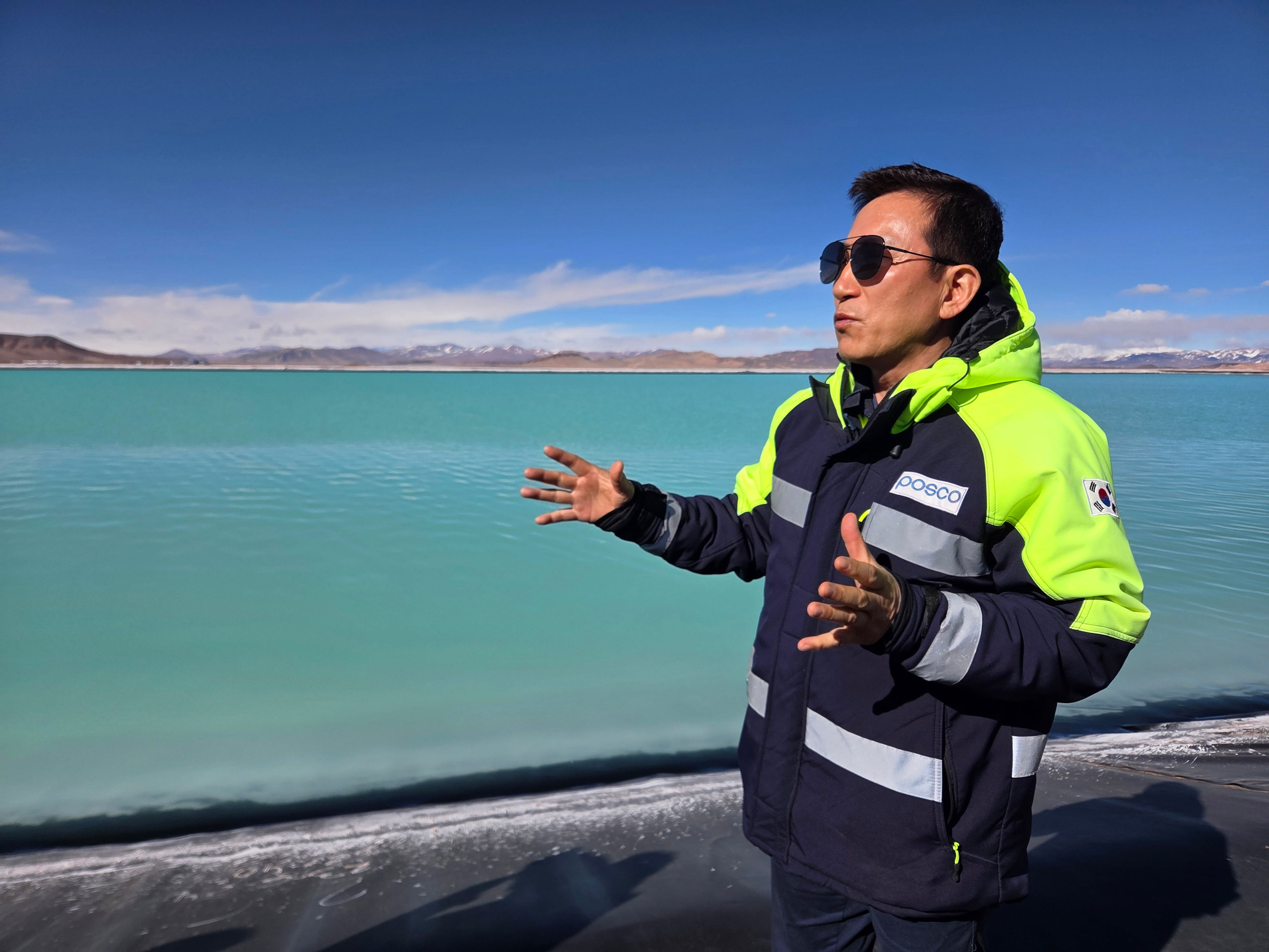
Another difficulty was the absence of infrastructure in the less developed area, which compelled POSCO Group to construct most of the facilities on its own. Seo Seok-jong, 58, who leads the construction infrastructure division, stated, “At an elevation of 4,000 meters, there is no national power grid, so we established an LNG power plant. The fuel is brought by land from Chile, taking four days. Freshwater for the plant is transported through pipelines from 18 kilometers away, beyond snow-covered mountains.”
◇China’s Control Over the Lithium Supply Chain and the Pursuit of Mineral Security
POSCO Group achieved a significant milestone in the second quarter (April–June) of this year, reporting its initial quarterly operating profit of 11 billion South Korean won from its lithium operations in Argentina. The resurgence in electric vehicle demand and higher lithium prices, fueled by growing requirements for ESS systems in AI data centers, played a key role in this development. Park Hyun, 59, who leads POSCO Argentina, remarked, “If this trend persists, we anticipate an operating profit margin exceeding 30% next year.”
POSCO Group intends to establish three additional factories by 2033, beginning with a second facility in the fourth quarter of this year. This growth strategy expects a significant increase in battery demand as electricity becomes a leading power source in various sectors, such as AI, shipbuilding, and defense. A POSCO representative stated, “The competition to obtain essential minerals is a ‘war without gunfire.’ In high-tech industries, the capability to consistently acquire raw materials like lithium will define competitive advantage.”

 jasdooit
Leave a comment