

[, Reporter Jong-ho Jang] Anyone who is told that a tumor in their body is benign is likely to feel relieved. But when it comes to brain tumors, a benign diagnosis does not always mean there is no cause for concern.
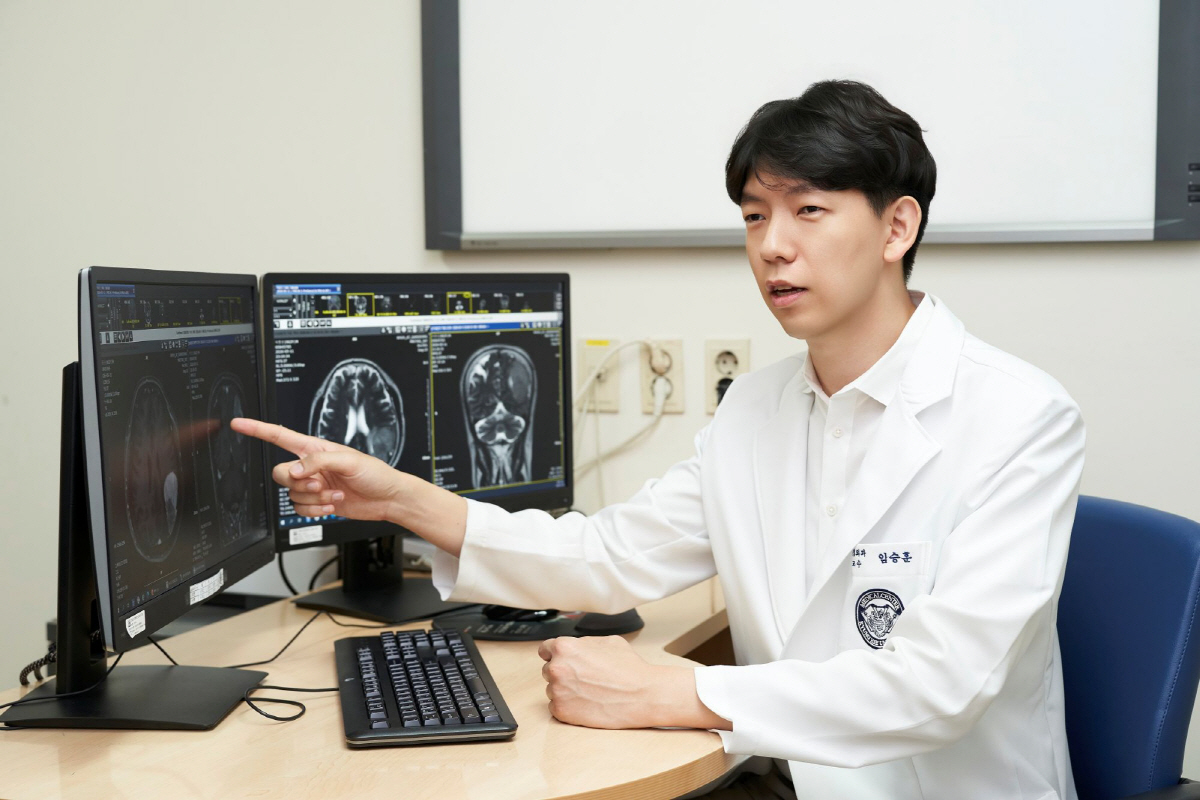
That is because symptoms can vary completely depending on the tumor’s location and size. Even a benign tumor can cause serious symptoms if it compresses major nerves or blood vessels, making it difficult to determine whether treatment is necessary based solely on whether the tumor is benign or malignant. With guidance from Seung-hoon Lim, a neurosurgery professor at Kyung Hee University Hospital at Gangdong, here is a summary of the characteristics, symptoms and treatments of brain tumors.
◇Various tumors can develop in the brain…Location and size matter more than whether they are benign or malignant Brain tumors is a general term for tumors that develop in brain tissue or the membranes surrounding the brain, as well as tumors that have spread to the brain from other parts of the body. Depending on where they originate, they are classified as primary brain tumors, which develop in the brain itself, or metastatic brain tumors, which occur when cancer from another organ travels to the brain through the bloodstream. The causes of brain tumors have not yet been clearly identified. Genetic changes in cells are known to play a role, and some cases are associated with hereditary diseases, but cases linked to a family history are extremely rare. There is also no clear direct connection with lifestyle or stress.
Benign brain tumors generally grow slowly and have relatively clear boundaries from surrounding tissue.
However, even a benign tumor can cause neurological problems if its location and size allow it to compress major nerves or blood vessels. Malignant brain tumors, by contrast, grow quickly and have a strong ability to invade surrounding tissue, making their boundaries unclear and treatment more difficult. Even so, the treatment approach and prognosis for malignant tumors also vary depending on where they are located and how large they are.
Seung-hoon Lim explained, “In many cases, the tumor’s location and size, rather than the diagnostic label of benign or malignant, determine its actual risk and treatment approach.”
◇Headaches are the most common symptom…Visual disturbances and paralysis may occur depending on location Headaches are the most common symptom, with about 70% of brain tumor patients reporting them. As a tumor grows and intracranial pressure rises, headaches may worsen and be accompanied by vomiting. Unlike ordinary tension headaches, headaches caused by brain tumors tend to be worse in the early morning or upon waking and may persist even after sleep.
In addition to headaches, symptoms vary depending on where the tumor develops. A tumor in the area responsible for vision may cause visual disturbances; one in the area responsible for language may cause language impairment; and one in the area responsible for movement may cause paralysis in the arms or legs. It may also lead to memory loss or personality changes. A seizure that occurs for the first time in adulthood can likewise be a warning sign of a brain tumor. In some cases, however, tumors are discovered incidentally during a health checkup despite causing no noticeable symptoms.
◇Definitive diagnosis through biopsy, with personalized treatment ranging from surgery to radiation
When a brain tumor is suspected, CT and MRI scans are first used to determine its location and size and its relationship with surrounding structures. Unlike other organs, the brain is difficult to biopsy through a simple procedure, so a definitive diagnosis is usually made through tissue examination during surgery. Once a brain tumor is diagnosed, the treatment method is determined by considering the tumor’s characteristics together with the patient’s overall health.
In general, the principle is to remove as much of the tumor as possible through surgery. However, radiation surgery such as Gamma Knife or CyberKnife may be performed when the tumor is small or the risks of surgery are high. Benign tumors can often be treated with surgery alone, although radiation therapy may be added when necessary. For malignant tumors, chemotherapy and radiation therapy are administered after surgery.
◇Precise access through endoscopic minimally invasive surgery without a craniotomy
When people hear “brain tumor surgery,” they often think of a craniotomy, in which the skull is opened. Because the brain contains densely packed tissues and nerves responsible for vital functions within the confined space of the skull, surgery is more demanding than it is for other organs. Tumors located at the skull base are particularly challenging because important nerves and blood vessels are concentrated nearby, making it necessary to select a surgical method suited to the tumor’s location and characteristics.
For this reason, the surgical method for a brain tumor is determined by considering its location and relationship with surrounding structures. When access is feasible, an endoscope can be used to minimize damage to healthy brain tissue. For lesions such as pituitary tumors that can be reached through the nose, an endoscope and surgical instruments are inserted through the nasal passage to remove the tumor instead of opening the skull. The endoscope magnifies the surgical field, allowing surgeons to remove the tumor precisely while monitoring nearby nerves and blood vessels. Compared with a craniotomy, this can reduce the burden of surgery and shorten recovery time.
◇Five-year survival with active treatment: up to 97% for benign tumors and 38% for malignant tumors Because the causes of brain tumors themselves have not been clearly identified, no definitive preventive measures are known. According to the National Cancer Information Center, with active treatment, the five-year survival rates for the benign brain tumors meningioma, pituitary adenoma and schwannoma are 95%, 97% and 94%, respectively. The rate for glioma, classified as malignant, is also 38%. For this reason, early detection and active treatment are considered key factors determining prognosis.
Seung-hoon Lim, a neurosurgery professor at Kyung Hee University Hospital at Gangdong, emphasized, “Even if symptoms such as headaches or dizziness are common, it is important to see a specialist to identify the cause if they recur in an unusual pattern or if neurological symptoms such as visual disturbances, language impairment or motor paralysis appear.” He added, “Even when there are no particular symptoms, regular health checkups can help with early detection.”
Jong-ho Jang, Reporter
bellho@
This article has been translated by GripLabs Mingo AI.
- Mir, Whose Girlfriend Is a Pilates Instructor, Reveals His Newlywed Home… “Some People Still Don’t Know I’m Married”
- Five Years After Leaving “Superman Is Back,” Gary Still Draws Fans’ Cameras at Thai Airports and on the Street… Son Ha O Also Gains Popularity
- Lee Hee-jin, 47, Recounts Painful Past Romance After Fortune Teller Says She Has No Marriage Luck: “My Ex Cheated and Even Spent My Money”
- Shownu of Kkingkkingkking Will Strip Down Again This Year… Teases Bold WATERBOMB Reveal: “I’ll Go with a Minimal Outfit” (Thursday Night)
- Children Who Eat Snacks While Watching Their Phones Face a Higher Risk of Cavities






Leave a Reply