
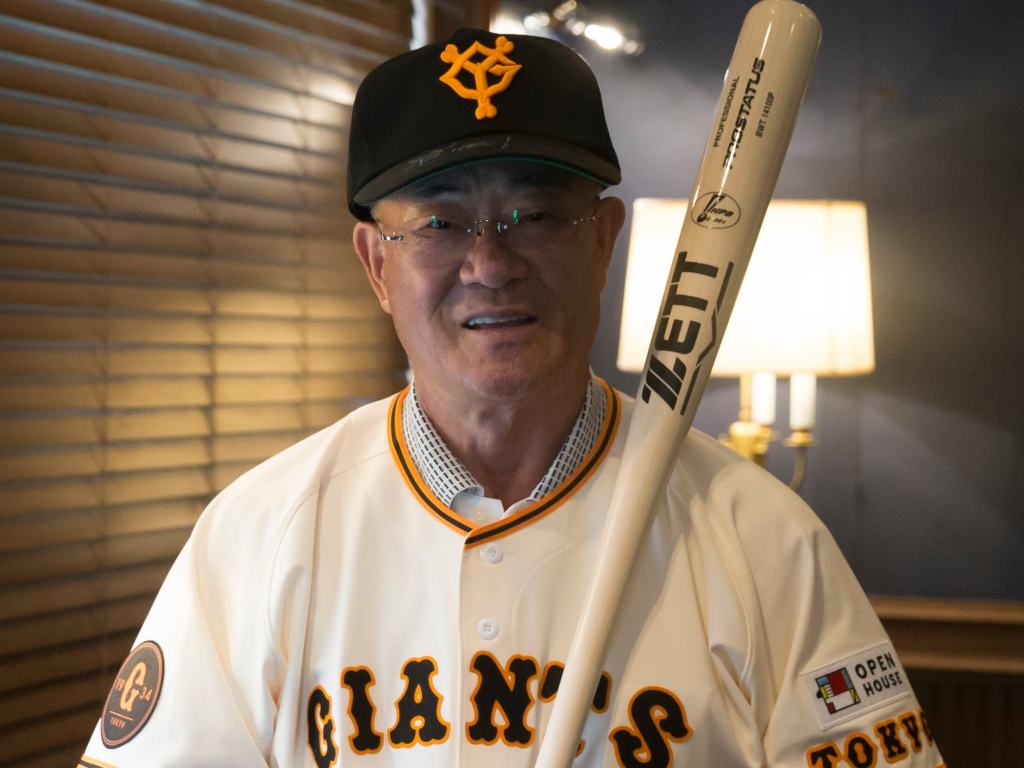
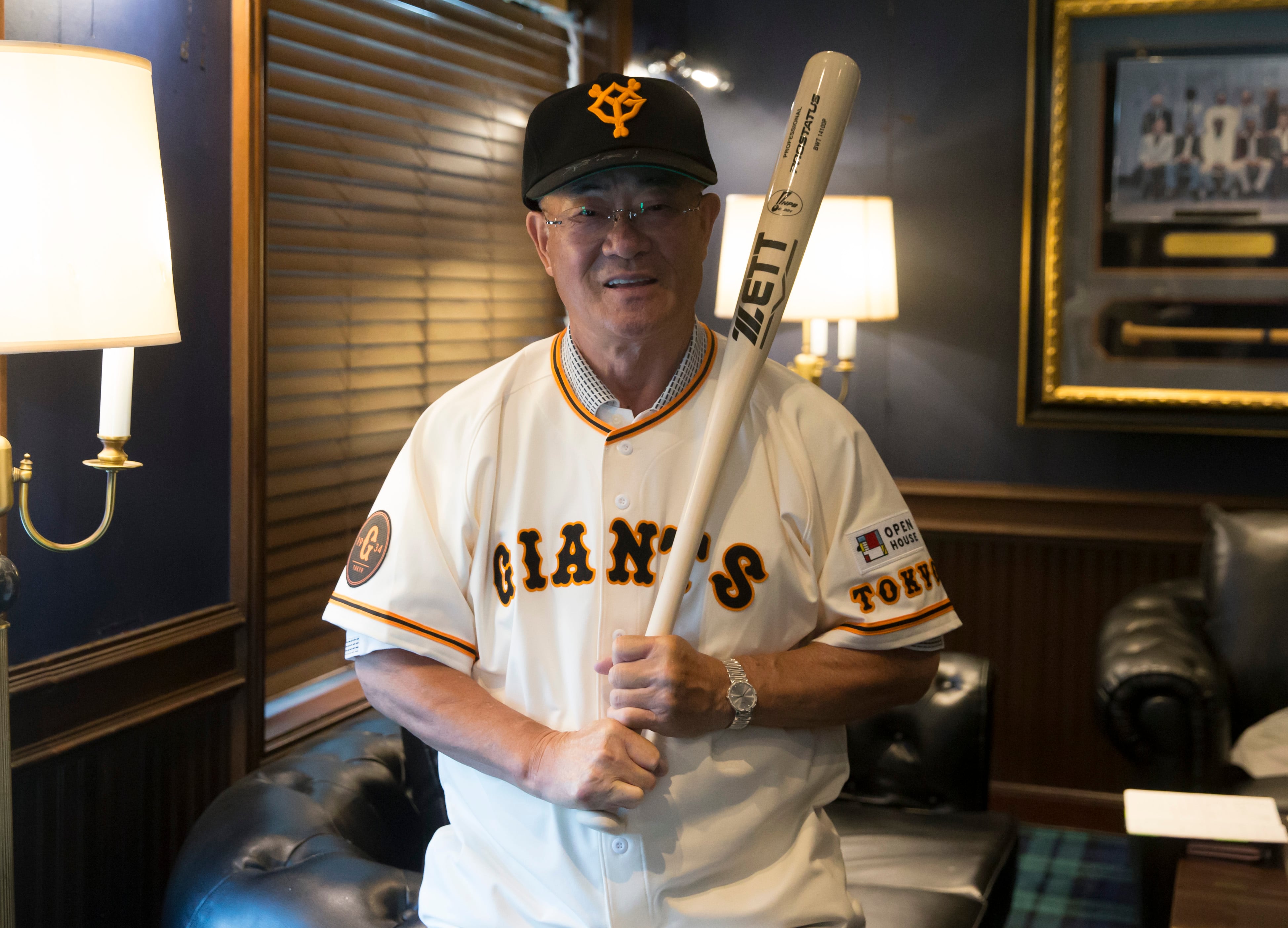
Jang Hun, Harimoto Isao, 86, a legendary batter of Zainichi Korean descent who held the record for the most career hits in Japanese professional baseball, passed away on September 9.
Japanese broadcaster TBS reported on September 10, “Jang Hun (Japanese name Harimoto Isao) passed away at around 5 p.m. on September 9 at a hospital in Tokyo.” Jang was the first in Japanese professional baseball (NPB) history to surpass 3,000 career hits and, even 45 years after his retirement, remains the all-time leader with 3,085 hits.
Born in Hiroshima, Japan, in 1940, Jang suffered burns as a child that left his right hand disabled, but he overcame this to become a left-handed batter. He experienced the atomic bombing of Hiroshima at age 5 and lost his older sister, six years his senior, to the bomb’s aftermath.
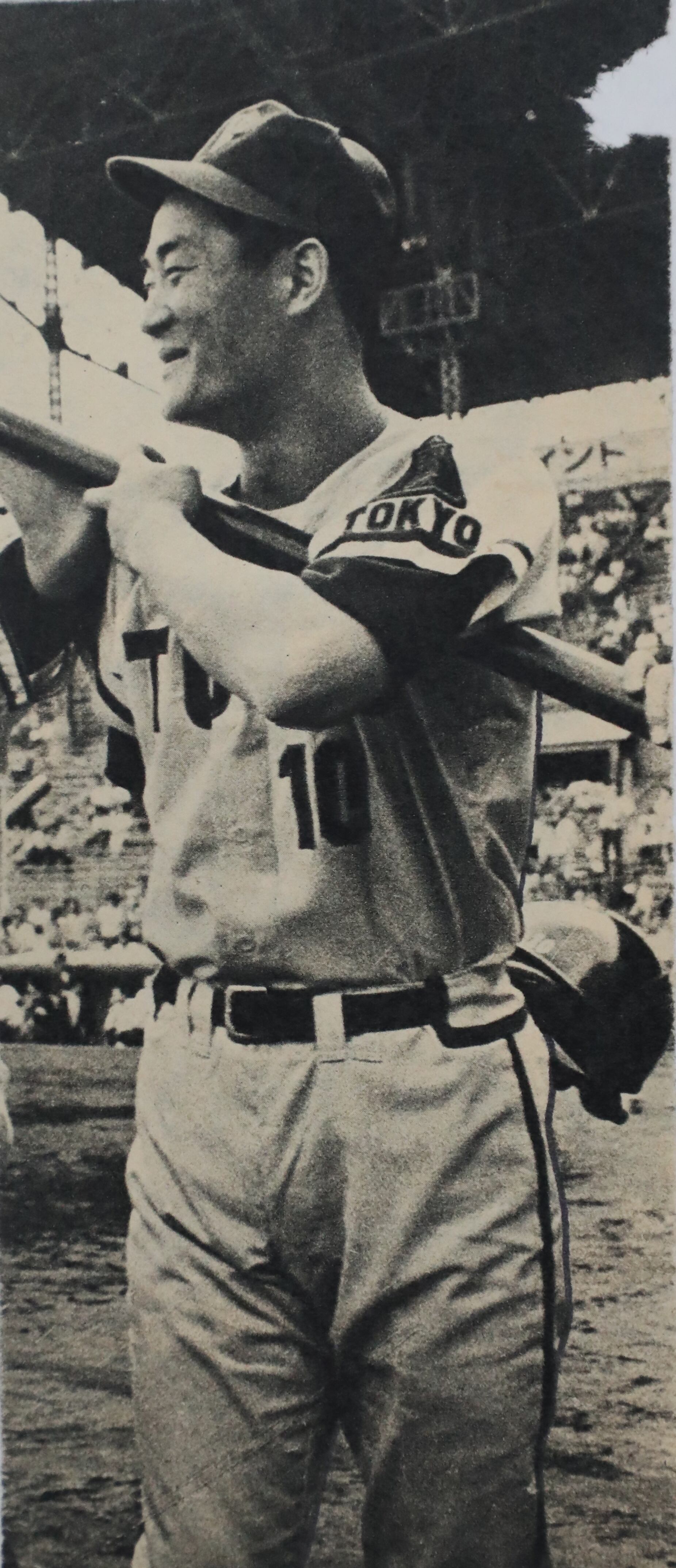
After attending Osaka Naniwa Commercial High School, he joined the Toei Flyers in 1959 and won Rookie of the Year in his debut season. Over 23 seasons until 1981 with teams including Nittaku·Nippon-Ham, Yomiuri, and Lotte, he played 2,752 games, achieving a .319 batting average, 3,085 hits, 504 home runs, and 1,676 RBIs. He won the batting title seven times and was named Pacific League Most Valuable Player (MVP) in 1962. Known for his wide-angle hitting style, he earned the nickname “Hit Machine.”
In 1980, while with Lotte (now Chiba Lotte), he became the first in Japanese professional baseball to reach 3,000 career hits and retired the following year. He was inducted into the Japan Baseball Hall of Fame in 1990.
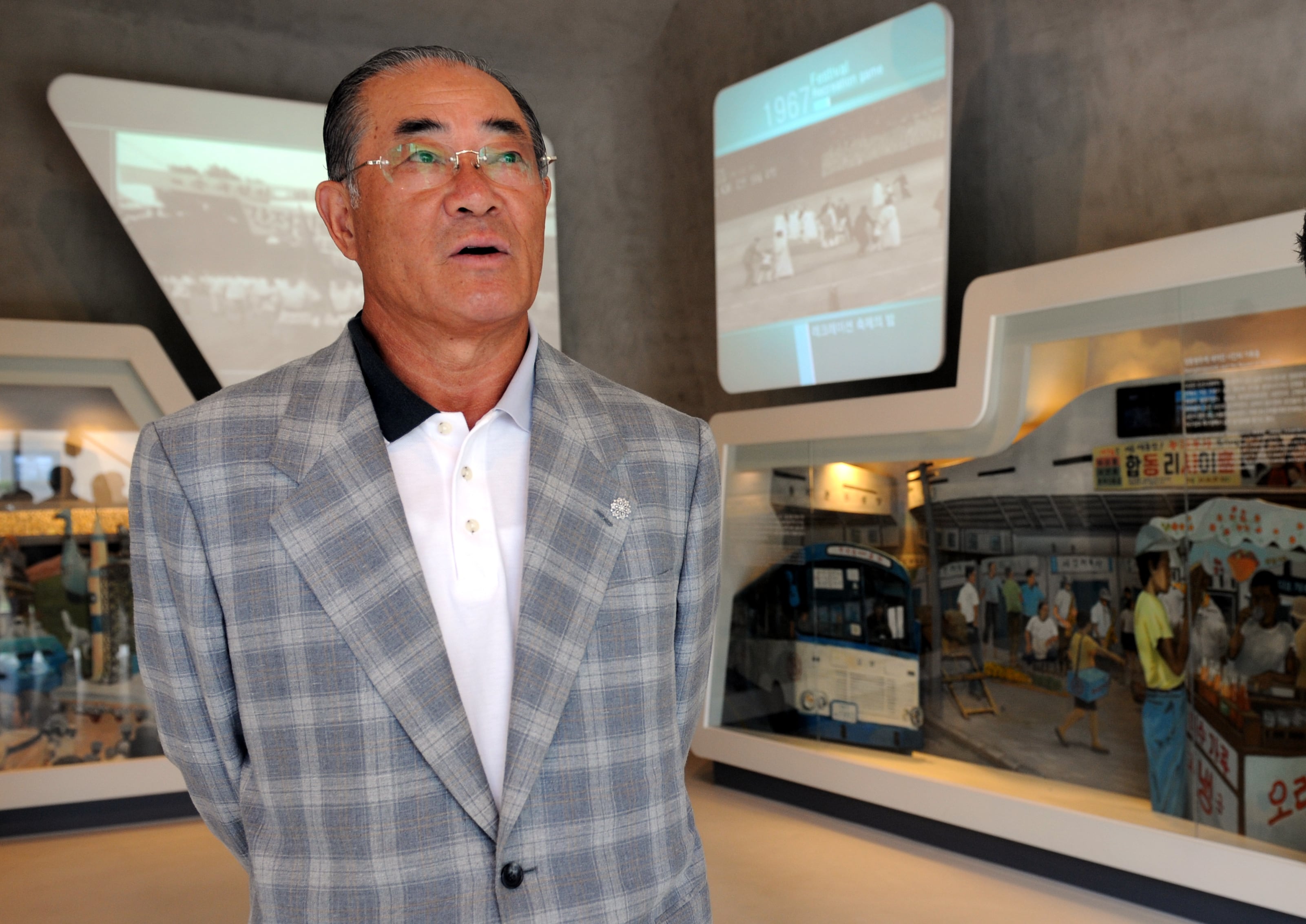
His connection to Korean baseball was also profound. Familiar to domestic fans by his Korean name, Jang Hun, he contributed to the development of Korean baseball by serving as a special advisor to the KBO (Korea Baseball Organization) commissioner ahead of the launch of the Korean professional league in 1982. He maintained his Korean nationality throughout his playing career and received the Mangho Medal of Sports Merit and the Mugunghwa Medal of Honor from the South Korean government.
However, in a 2024 interview with the Sankei Shimbun, he revealed he had acquired Japanese citizenship. Despite this, he stated his pride in being a Zainichi Korean remained unchanged.
 jasdooit
Leave a comment