
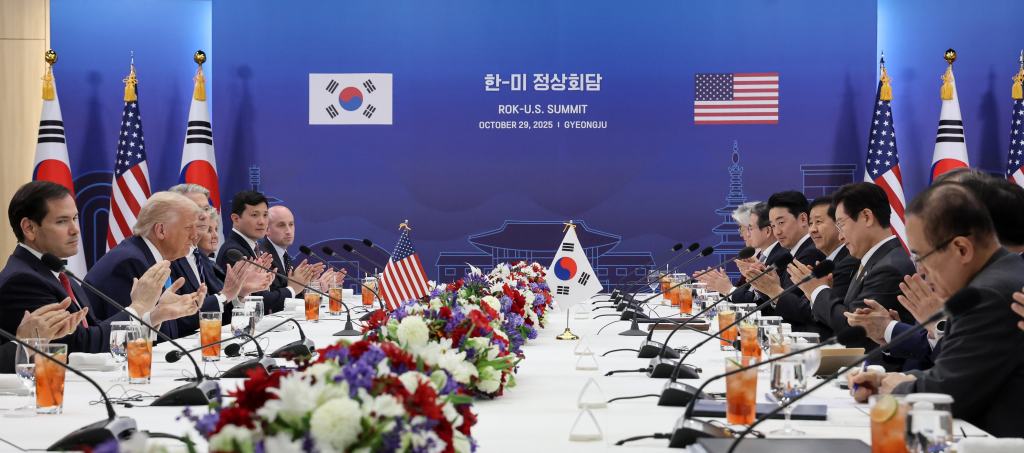
The ‘joint explanatory document (joint fact sheet)’ announced by President Lee Jae Myung and U.S. President Donald Trump after their summit in Gyeongju on October 29, 2025, will remain a historic document marking a new chapter in the history of the ROK-U.S. alliance. This is because it reflects the two leaders’ shared recognition of expanding South Korea’s authority to enrich uranium and reprocess spent nuclear fuel, as well as introducing nuclear-powered submarines.
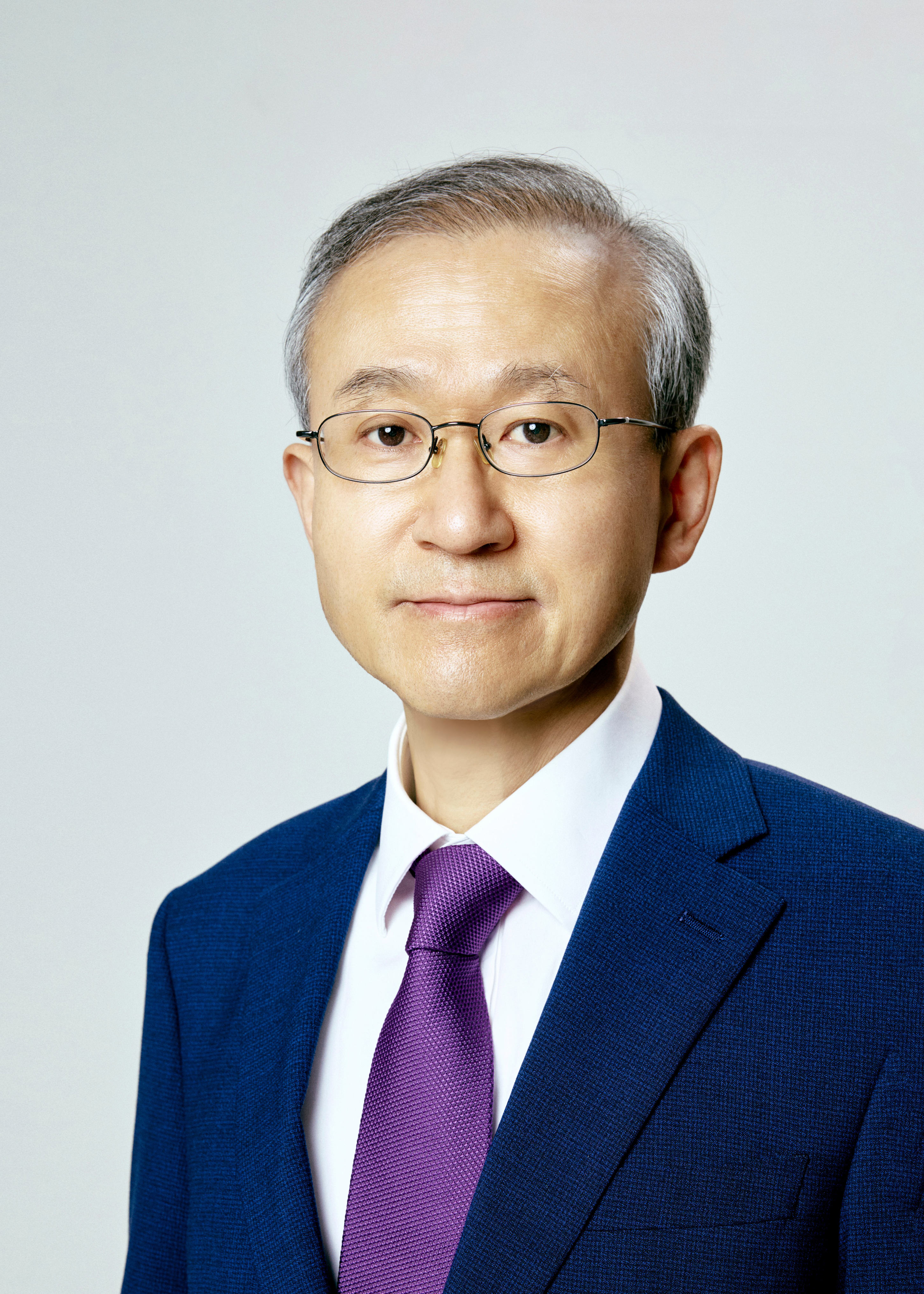
To implement this agreement, the South Korean government moved swiftly. National Security Office Chief Wi Sung-lac said after his December 2025 visit to the U.S., “We confirmed a shared understanding that the leaders’ agreement should be pursued with speed, and we decided to begin substantive discussions on security-related matters in the joint fact sheet.” In December 2025, a ‘whole-government consultative body for nuclear-powered submarines’ led by the Ministry of National Defense was launched, followed in January 2026 by a ‘whole-government consultative body for the ROK-U.S. nuclear cooperation agreement’ led by the Ministry of Foreign Affairs.
However, the pace of implementation since then has raised concerns. First, follow-up ministerial-level talks on nuclear cooperation between the two countries were held only in early June 2026, over half a year after the joint fact sheet was announced. Both sides announced the results, stating they would accelerate discussions to achieve tangible outcomes as soon as possible. Yet, no further updates, including schedules for subsequent talks, have been heard.
Even considering the Iran war that began in late February 2026, the slow implementation of the leaders’ agreement is unusual. A distinctive feature of U.S. negotiation practices is the custom of setting intermediate goals (milestones) to assess progress at each implementation stage. From this perspective, the U.S. has yet to take its first concrete step. The U.S. holds an absolute dominant position in nuclear cooperation, yet it appears to be adopting a passive stance. Given that South Korean political circles and public opinion broadly support strengthening ROK-U.S. nuclear cooperation across ideological lines, this situation could negatively impact the overall bilateral relationship.
A summit between the two leaders is likely during the G20 summit in Miami in December 2026. Before that, they may also meet on the sidelines of the September 2026 UN General Assembly or the November 2026 Asia-Pacific Economic Cooperation (APEC) summit. These opportunities should be used to make visible progress on ROK-U.S. nuclear cooperation. It should also be noted that the U.S. Senate Armed Services Committee instructed the administration to submit a report to Congress by February 1, 2027, on South Korea’s development of nuclear-powered submarines through its National Defense Authorization Act bill report.
There is an English proverb: “It takes two to tango.” Progress in ROK-U.S. nuclear cooperation will also require both countries to join hands. The U.S. may have grievances regarding South Korea’s implementation of investments in the U.S. However, a vicious cycle where economic issues hinder nuclear cooperation must not spread further. It is in both countries’ interests to create a virtuous cycle by cooperating across various fields, thereby accelerating and expanding collaboration.
The world has entered an era of “economic security” and “transactional diplomacy.” South Korea must also evaluate ROK-U.S. issues through the single standard of national interest. Based on this, the government should break down barriers between ministries and strengthen collaboration. Through this, the government must enhance its control over the entire negotiation process with the U.S.



 jasdooit
Leave a comment