
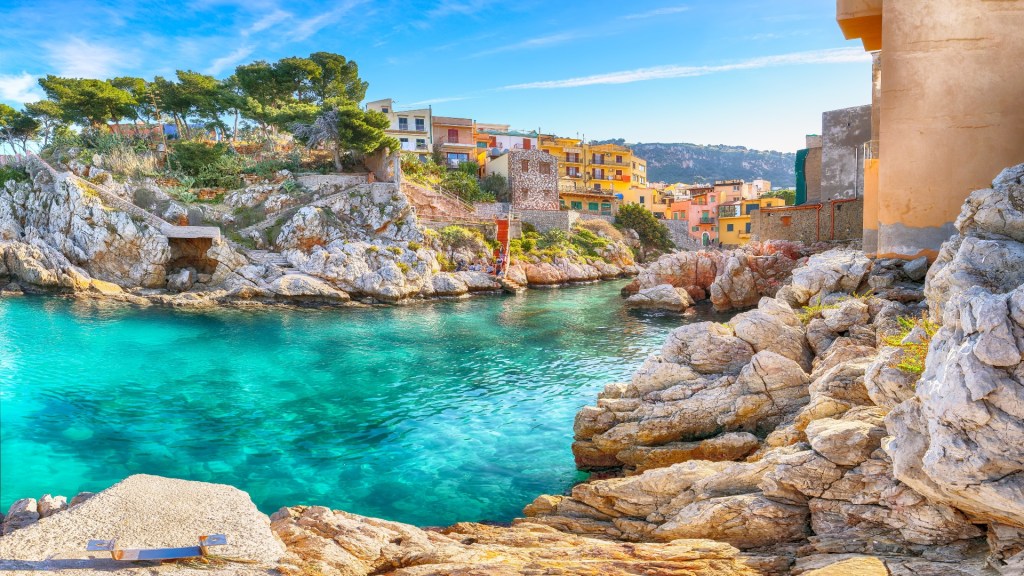
While Euro Summer may get all the attention, Europe in September and October has its own appeal. Whether it’s Tuscan vineyards in harvest season or warm Mediterranean waters with cooler days, these six European destinations offer a slower, more rewarding escape after the crowds have gone.
Euro Summer may be all the rage online, but some European destinations shine brighter after the crowds thin, with time and space to explore. Restaurant rooftops feel less frantic and long lunches can actually be, well…long without the restaurant staff looking at you to vacate the seat for the queue waiting outside. While June through August feel pressured with beach clubs full of tourists and the same handful of destinations in every social media feed, September and October are really where the continent shines.
In much of Europe, September and October still bring sunny days, warm seas and plenty of outdoor life, while the intense heat of July and August begins to fade. Autumn also brings its own pleasures, including harvest festivals, seasonal produce and a more relaxed rhythm. If you prefer a holiday with a little breathing room and no queues, head to these six European destinations that prove the season doesn’t have to end when August does.
6 destinations to explore Europe in autumn
Tuscany, Italy
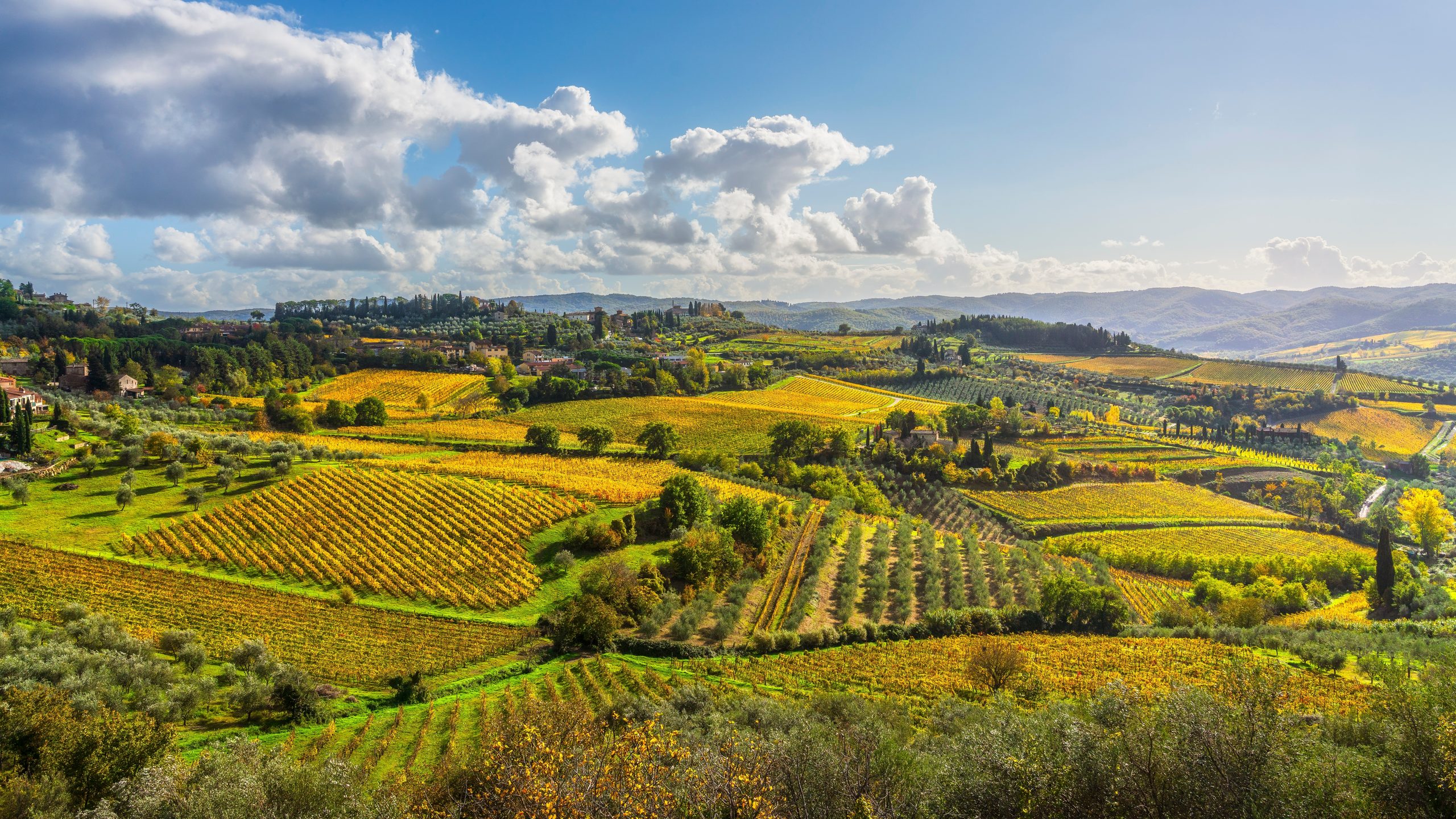
September marks the start of the grape harvest, or vendemmia in Tuscany. Vineyards around Chianti engage in an annual ritual, while the countryside takes on warmer shades of green, gold, and russet. Stay at a country estate for wine tastings, long lunches, and drives through the hills. October brings seasonal pleasures, including truffles, mushrooms, and chestnuts. Days are generally milder than summer, making it easier to explore medieval towns, country lanes and vineyards on foot. Tuscany’s food and wine calendar becomes richer.
Sicily, Italy
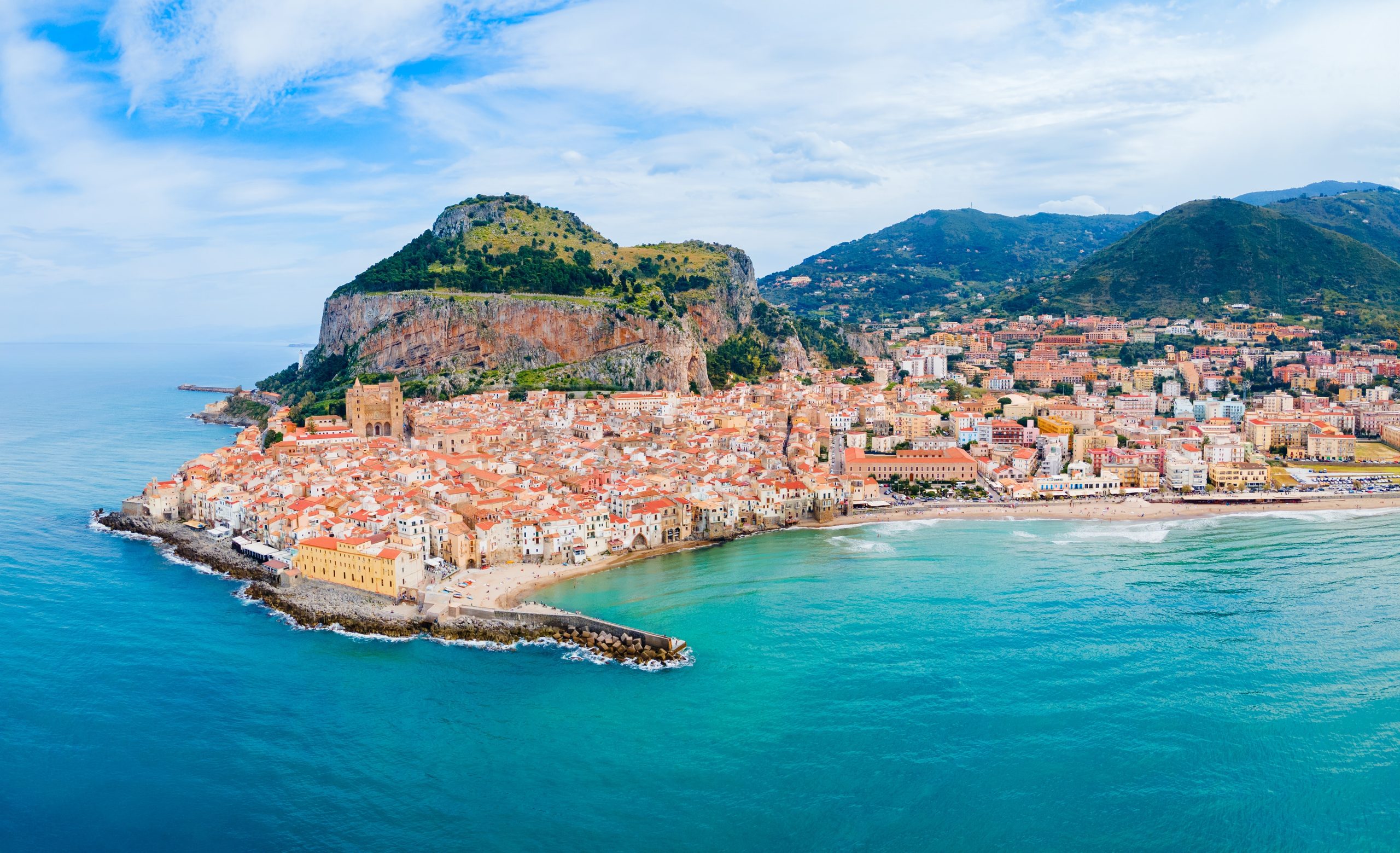
Summer doesn’t dramatically disappear in Sicily in September. The climate is still warm, with bright days and inviting sea temperatures in September and October. So, if you missed a beach holiday in August, Sicily can make it happen in September. With good weather, you can walk through Noto, visit the ancient Valley of the Temples, or head to Mount Etna when the weather is more forgiving. Autumn is also harvest season in the vineyards with delicious Sicilian food.
French Riviera, France
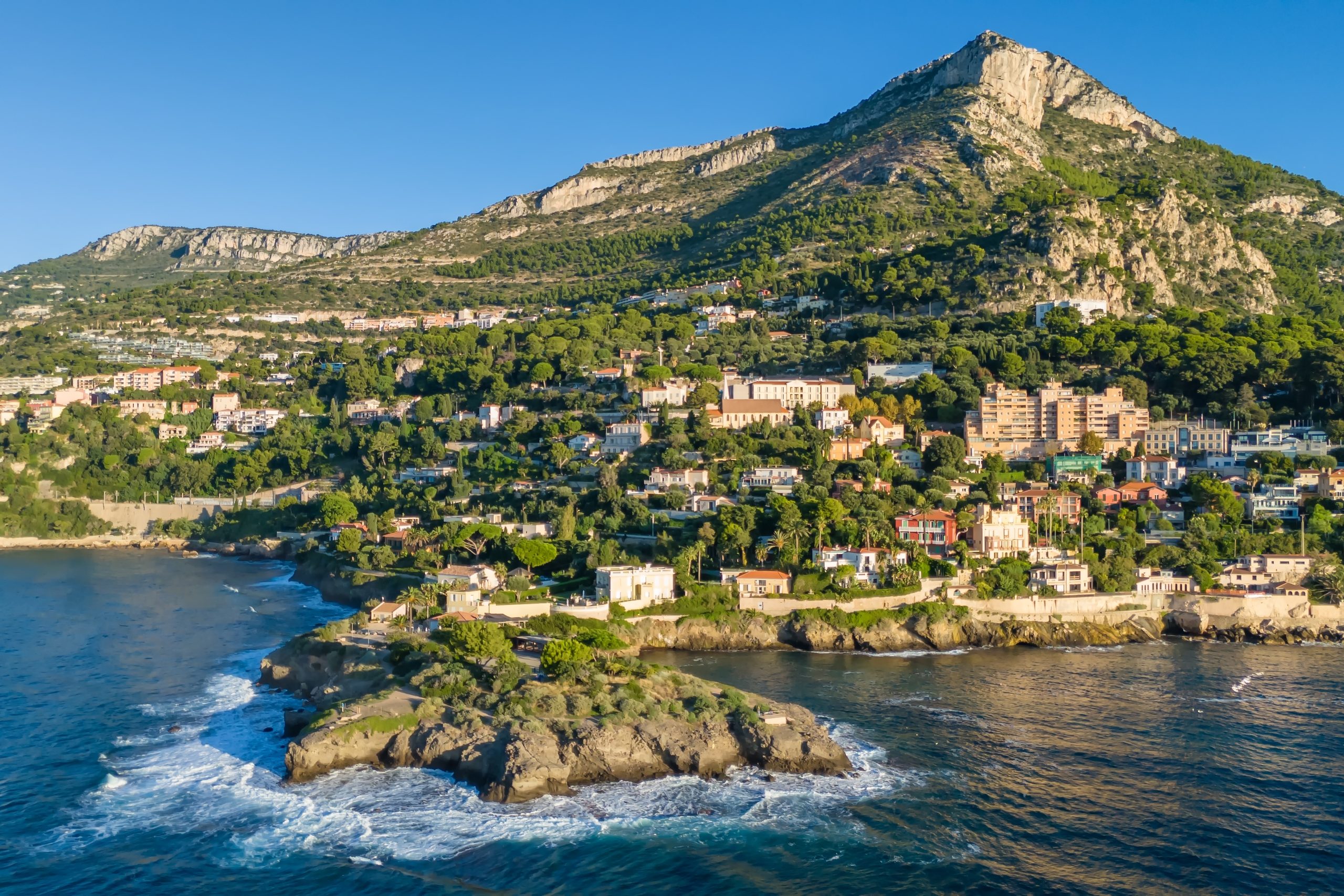
The French Riviera becomes easier to appreciate. September and October bring warm days and a sea that is still inviting with little to no crowds. Nice makes a good base for exploring the coast, with Antibes, Èze, Menton and Saint-Paul-de-Vence all within easy reach. Explore galleries, linger over lunch, or take the train along the coast without feeling like everyone else has the same idea. If you like your Mediterranean escape with a little art, food and old-world polish, the Riviera after summer has plenty going for it.
Mallorca, Spain
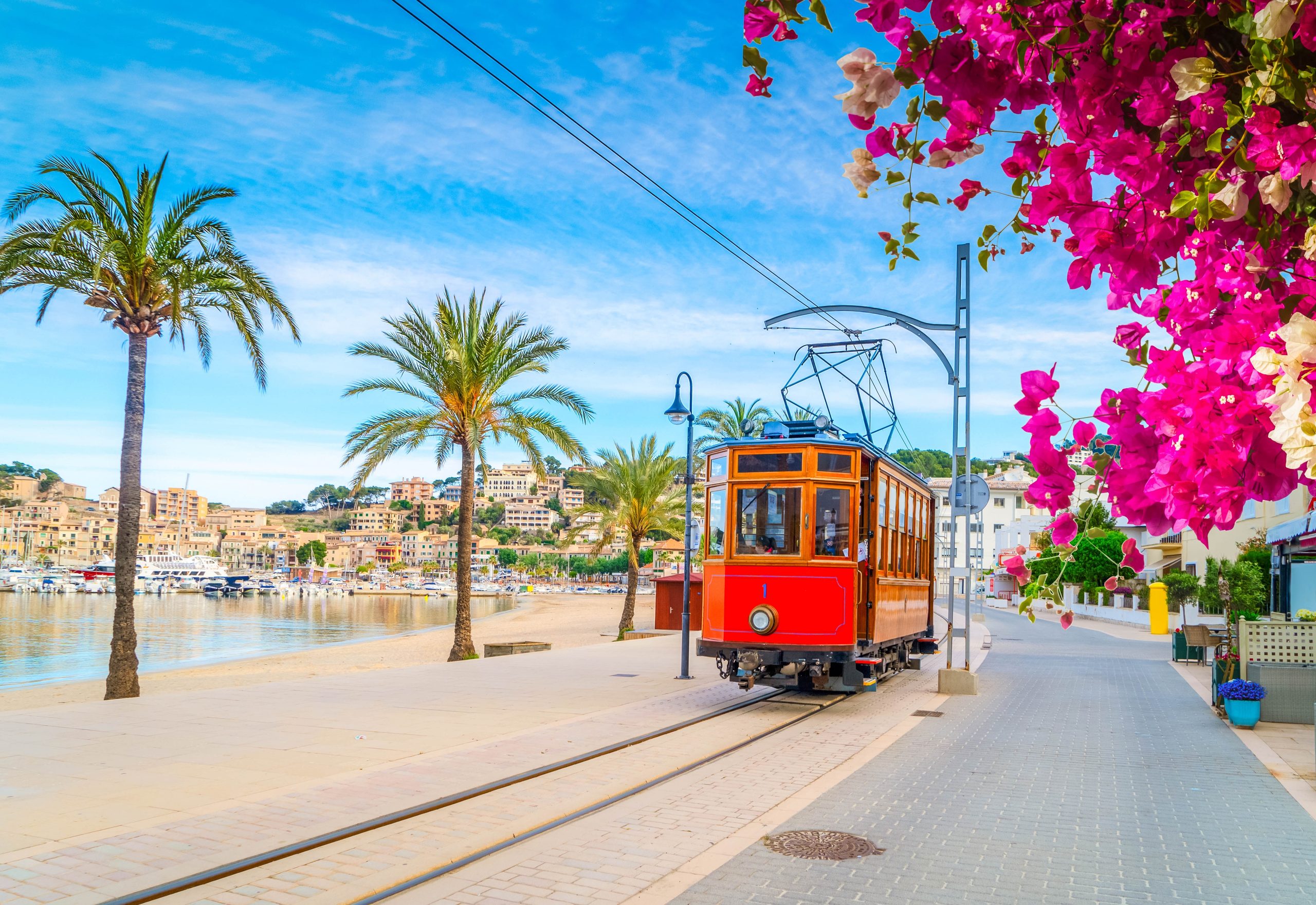
Yes, Mallorca has the kind of reputation that people associate with Euro summer, but autumn brings out a broader side of the island. For starters, the worst of the heat settles down in September, yet the sea is warm enough for swimming. Its old quarter, galleries, restaurants and cathedral are also easier to enjoy at a slower pace with fewer crowds. Food is a big draw in autumn. Taste local wines and olive oil, while restaurants showcase the island’s produce. In autumn, Mallorca feels less like a beach break and more like a proper island escape.
Amalfi Coast, Italy
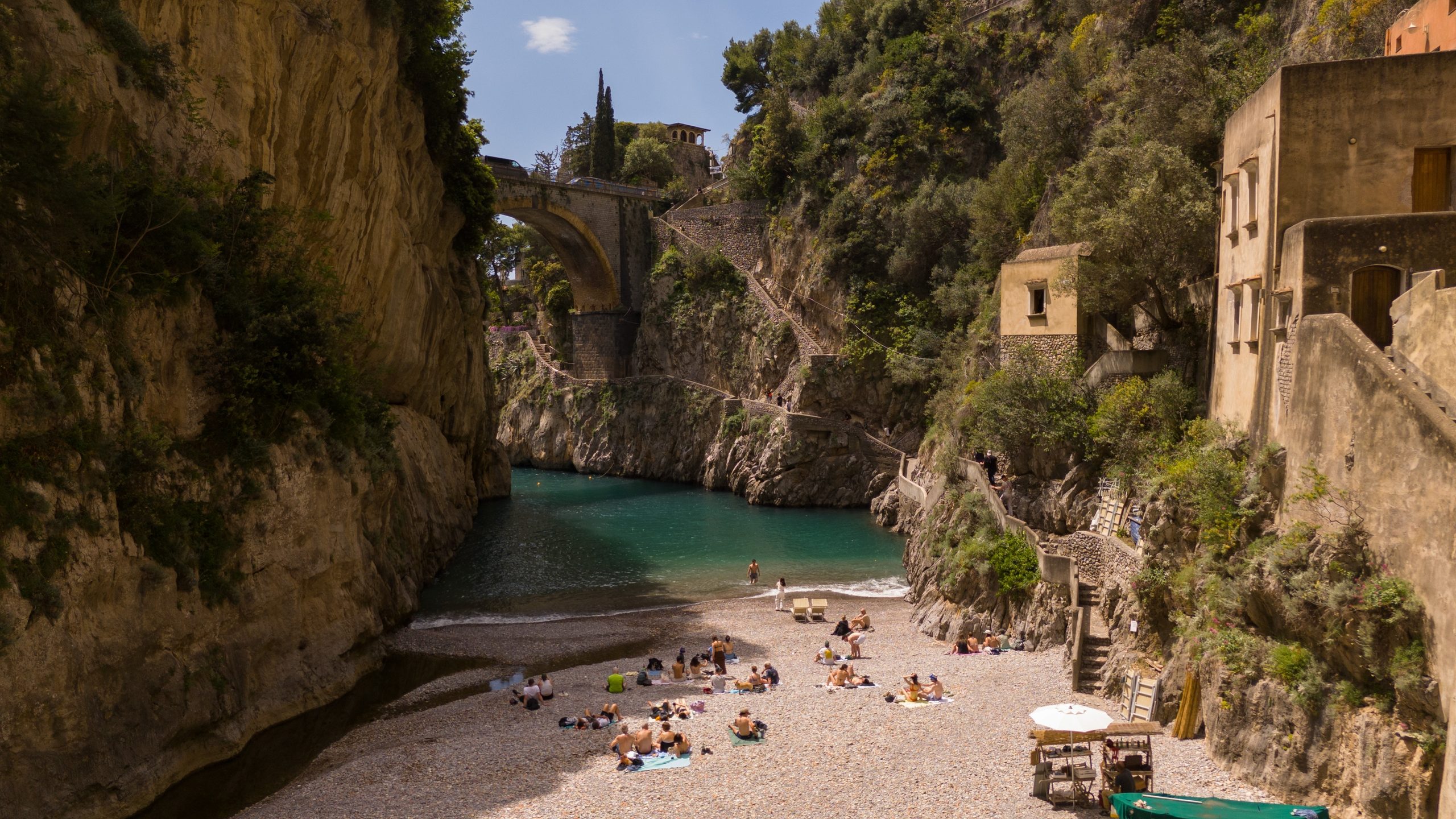
Yet another classic summer destination, Amalfi Coast is worth seeing in autumn precisely because of its Euro summer reputation. It still brings warmth and sea views that draw visitors to Positano and Amalfi, while the intensity of summer begins to lift. Explore beyond its famous towns. From Ravello’s gardens high above the sea and Vietri sul Mare, known for its ceramics, to Cetara, which still feels like a working fishing village. Walkers can tackle the Path of the Gods or the Lemon Path. The difference here is that autumn gives you more time to look around.
Paros, Greece
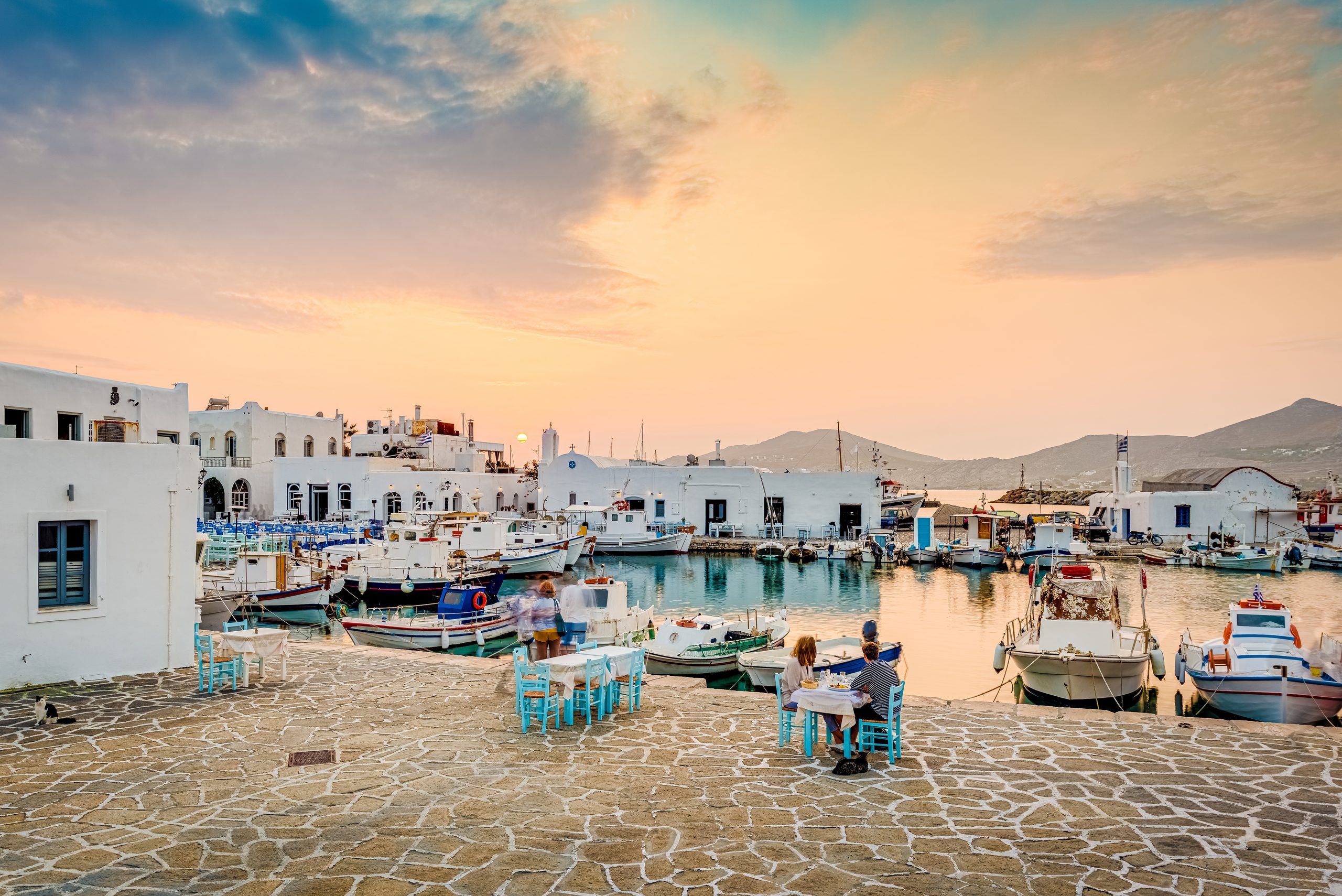
Paros represents peak Greek island season. The beaches are still there, the Aegean is still blue, and the tavernas still serve the island’s best produce, but the pace is easier. That makes it a good time to explore beyond the water. There’s a picturesque harbour, seafood restaurants, and Lefkes, which offers a quieter glimpse of traditional Cycladic life inland. The island also has a strong food culture, from fresh seafood in coastal villages to local dishes in the mountains. For those who want to stay active, Paros is well known for sailing, windsurfing and other water sports.
Planning a trip to Europe? These articles will help you plan your trip better:



 jasdooit
Leave a comment