
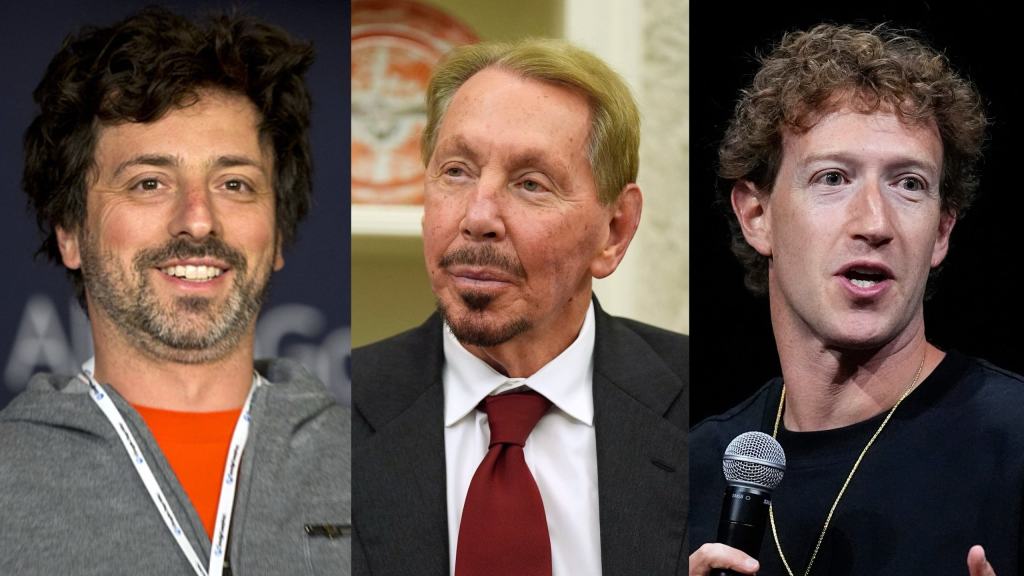
The Google headquarters in Mountain View, California, houses a room employees call “Sergey’s Microkitchen (MC),” a repurposed break room. Sergey Brin oversees Google’s AI, Gemini, from this space. He holds no official title. He officially left the company in 2019. Yet today, he allocates GPUs and decides which projects to prioritize, playing a de facto leadership role.
Brin’s wealth exceeds 270 billion dollars. He once planned to study physics and spend his days in cafes. But since 2023, he has worked three to four times a week, and in April of this year, he told hundreds of Google engineers, “Bet everything on Gemini.”
Google restructured its leadership in August. Nobel laureate Demis Hassabis stepped down as CEO to become Google’s chief scientist, and Jeff Dean, a symbol of Google’s engineering excellence, resigned. The overhaul of DeepMind’s leadership followed. Rumors suggest Brin’s “resolution” drove the changes, as Google’s slower product development and release pace compared to OpenAI and Anthropic were blamed on “governance.”
Brin is not alone. Larry Ellison, 82, once mocked cloud computing as a marketing gimmick. But when AI’s computational demands surged, he donned a hard hat and mobilized vast funds to expand data centers. Similar scenes unfold elsewhere: Tom Siebel, founder of Silicon Valley AI firm C3.ai, stepped down due to health issues but returned as CEO at 73 in May after sales plummeted.
Meta CEO Mark Zuckerberg wore a black T-shirt reading “BUILDING IS MY LOVE LANGUAGE” at Meta Connect on the 23rd, introducing the personal agent “Muse” and AI glasses. He declared an all-in on AI, reorganizing the company and personally overseeing product development, launches, and marketing.
Silicon Valley calls this growing emphasis on founders’ roles and responsibilities “Founder Mode,” a term Paul Graham coined after attending an Airbnb founder Brian Chesky lecture two years ago. It declared traditional business school advice—founders should delegate and step back—wrong.
Why now? Delegation works in peacetime. When rules are set, organizations run on systems, and leaders manage those systems. Silicon Valley giants grew this way over the past 20 years. But AI has rewritten the rules. Google’s core—search—became mortal overnight.
In such crises, CEOs with limited authority are structurally disadvantaged. Tenured executives cannot gamble on the company’s raison d’être. They must persuade boards and defend quarterly results. They cannot ignore stock fluctuations. Founders are different. They bypass approval chains and make counterintuitive investments not because of equity but because they know “why I built this company.” In war, generals lead from the front, not staff officers.
This is not a return to the past. Brin did not return to the boardroom but to the break room. Ellison did not seize the board but stood on a construction site. Founders are not reclaiming control but returning to the “essence of work.” Google’s essence was never just search but organizing the world’s information. Only a founder could decide to rewrite that essence with AI. Founder Mode’s core is not control but reasking the question that once made their hearts race: why did I start this company?
This is not “owner mode” but “founder mode.” A founder builds; an owner possesses. Owner-led management exercises ownership, but founder mode reignites the startup spirit.
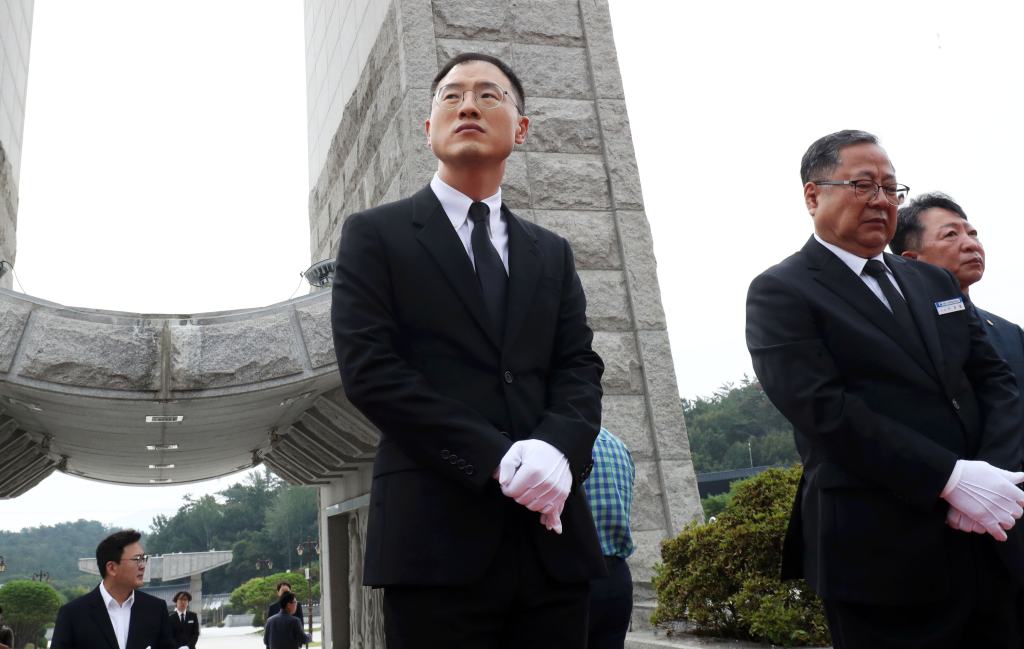
South Korean conglomerate leaders are also stepping forward amid AI. But the question remains: Do they issue AI adoption orders from the boardroom? Or do they lead from the break room, the front lines? Third- and fourth-generation leaders did not found their companies. They must not stop at protecting inherited businesses but answer why their companies are needed in the AI era. They must redefine the company’s purpose and scale it—this is “refounding.”
Brin did not return to the boardroom but to the break room where engineers work. What South Korean leaders and executives need is not a single directive to “do AI.” It is to reask the company’s purpose and take responsibility until that answer is embodied in products and workflows.



Leave a comment