
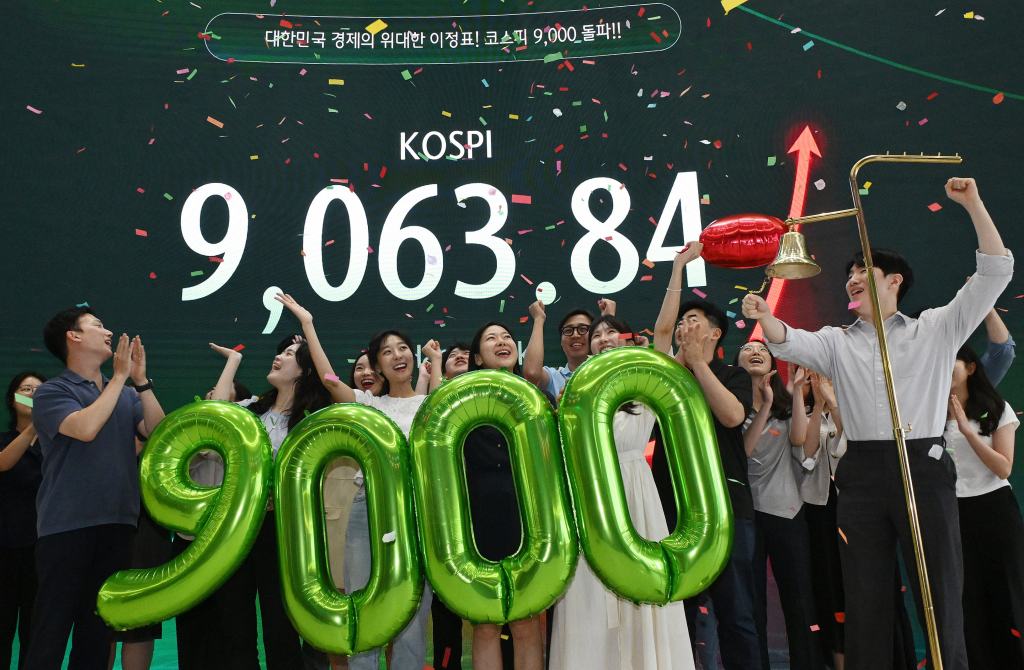
This year, the KOSPI surged over 2,600 points compared to last year’s closing price despite sharp fluctuations. Considering it took 27 years for the KOSPI to rise from 100 in 1980 to surpass 2,000, this was an unprecedented bull market. However, individual investors’ trading performance was -4.41%, marking the worst result in 27 years since 1999 (-4.65%). In contrast, foreign investors achieved a +6.14% return, the fourth-best result since records began.
While investment responsibility primarily lies with individuals, the government and political circles’ signals to boost stock prices and the influx of high-risk products played significant roles in driving the market. Thus, the losses cannot be attributed solely to individual mistakes. Individuals, lured by state-led measures such as the National Pension Service’s increased allocation to domestic stocks, deferred mechanical selling, and the ruling party’s “KOSPI 5000 Special Committee,” concentrated their purchases at overheated peaks of 7,000–9,000 during May–June. Over these two months, they invested over 77 trillion Korean won, accounting for 88% of their total net purchases this year. As a result, they suffered around 9 trillion Korean won in losses within three months. Meanwhile, foreign investors exited the market, realizing profits through massive net selling totaling 170 trillion Korean won since the beginning of the year.
Fueling the overheated market was the single-stock 2x leveraged ETF introduced in late May. Despite being an ultra-high-risk product, it was hastily listed within four months without proper verification or regulatory discussion. Consequently, individual funds surged to 8.2 trillion Korean won within a month of listing.
Yet, accountability remains unclear. Alongside evidence that former Cheong Wa Dae Policy Office Chief Kim Yong-beom led the product’s introduction, controversies arose over alleged favoritism involving his and the Financial Supervisory Service chief’s children linked to Mirae Asset. The opposition party filed a complaint with the Corruption Investigation Office against them. At a recent press conference, the president remarked about the leveraged ETF crisis, “Someone must have decided,” as if distancing himself.
Investigating the truth behind this “ETF disaster” is not about venting frustration from investors’ losses. It aims to restore trust in the capital market, shaken by the authorities’ negligence and approval of a distorted product. Clarifying the procedures, external pressures, and responsibilities behind this product’s listing is essential to prevent recurrence.


Leave a comment