
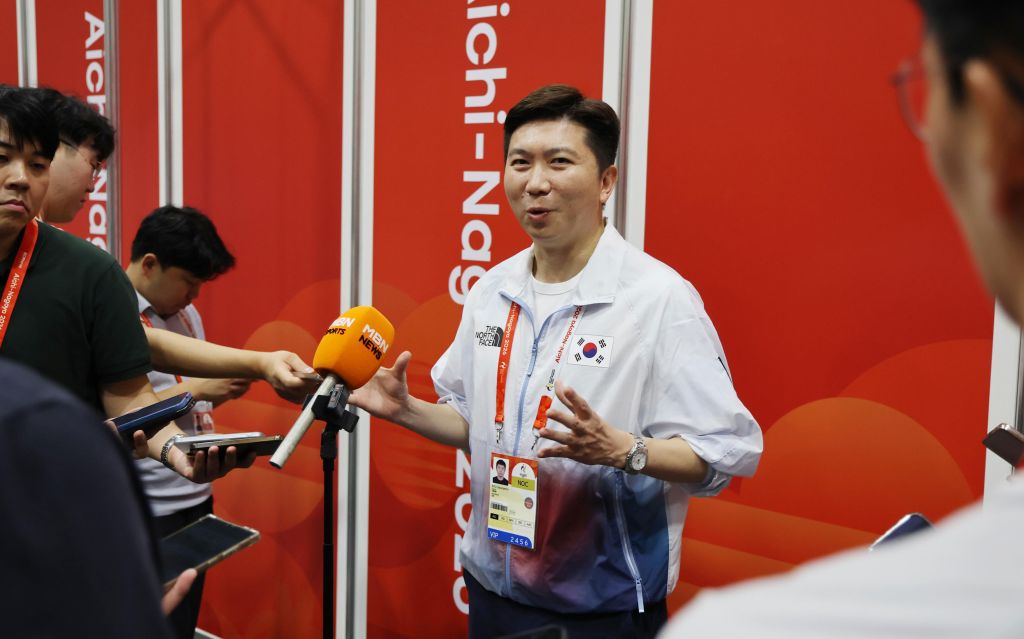
“If the lowest possible grade for the organizing committee’s operations is C, I would give a C. If an F is possible, I would give an F.”
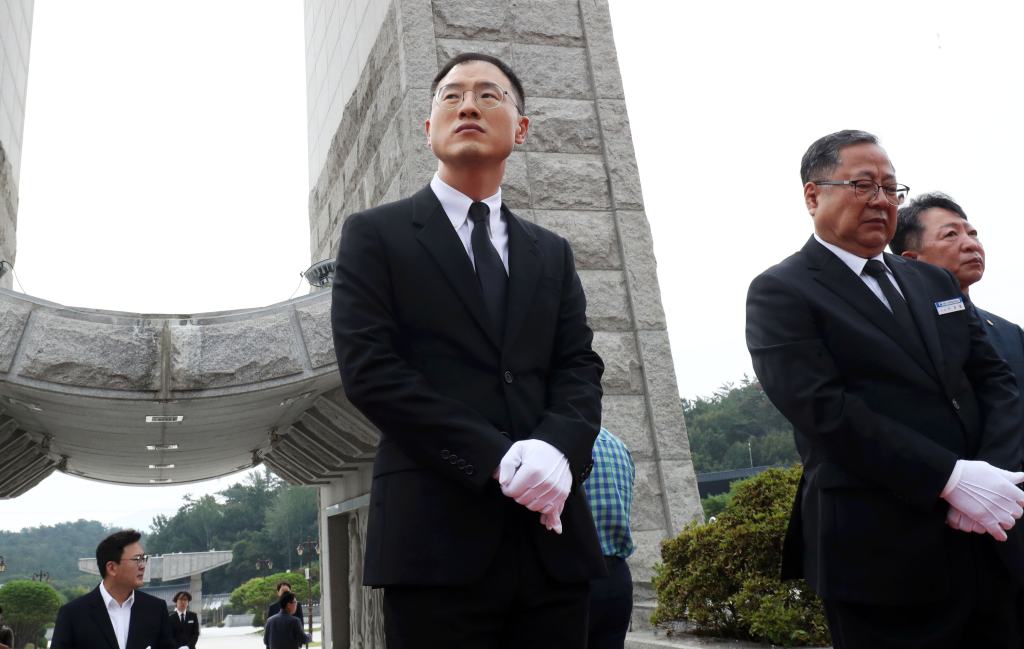
Ryu Seung-min, president of the Korean Sport & Olympic Committee, harshly criticized the operations of the Aichi-Nagoya Asian Games Organizing Committee on September 24. He stated, “I believe not only I but many others feel this way,” and emphasized he would give the “lowest possible grade.”
The president held a press briefing at the “Port Messe Nagoya,” the main press center for the event, on the morning of the 24th. He said, “Before being someone who engages in sports diplomacy, I represent South Korean sports,” and added, “I am conveying exactly what the athletes feel.”
Though he expressed feeling burdened by the potential media coverage of his remarks, he strongly voiced dissatisfaction with the organizing committee’s operations.
◇“Angry as Issues Affect Athletes’ Performance”
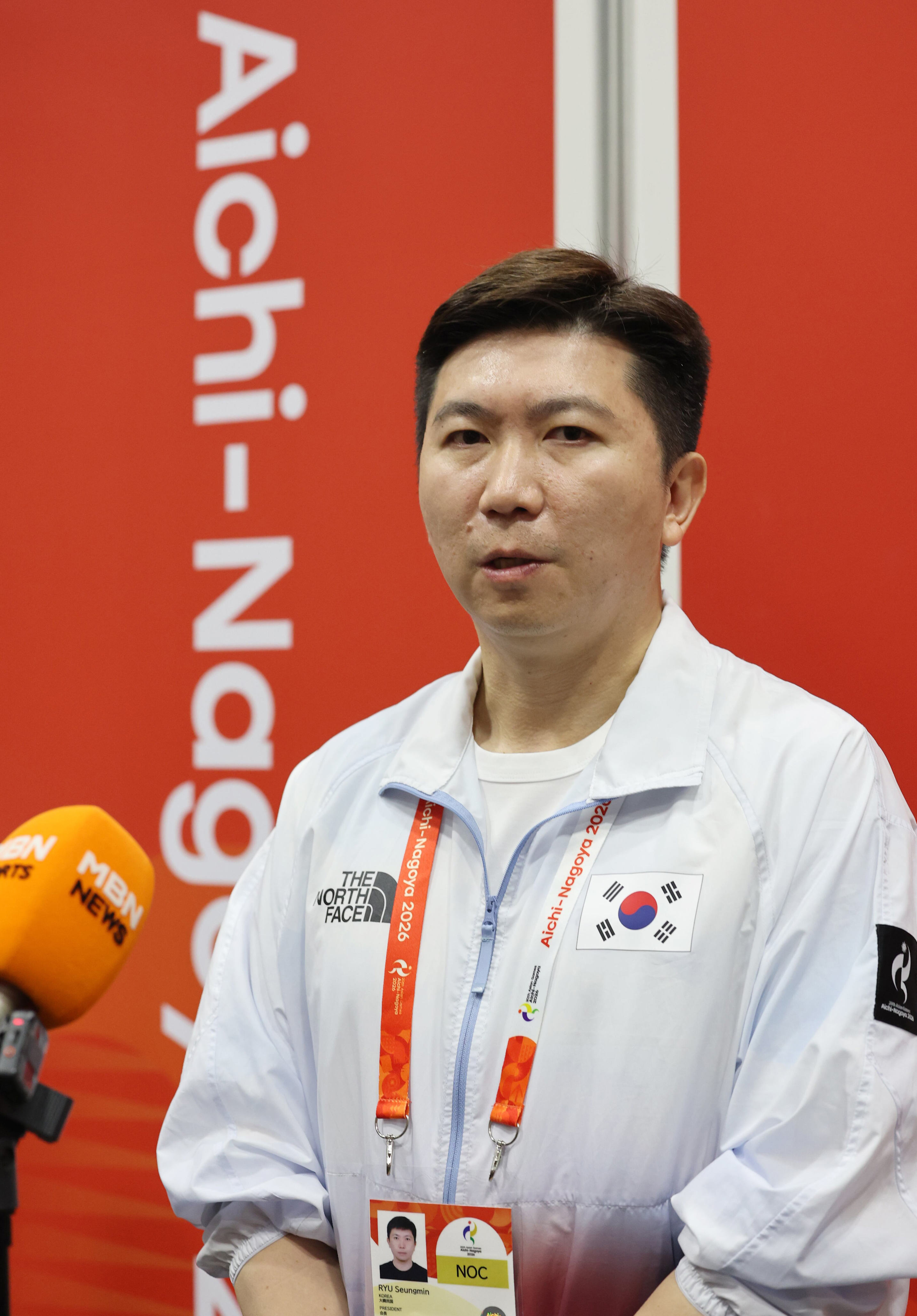
Ryu acknowledged, “Every Olympics or Asian Games has initial issues, and this event has improved compared to the early days,” but stressed, “There were too many issues. Moreover, since they affected athletes’ performance, I was extremely angry.”
He cited examples such as delayed bus schedules for the football and basketball teams and the baseball team’s practice field allocation, emphasizing, “Mistakes that disrupt athletes’ routines are obviously a failing grade.”
During the Aichi-Nagoya Asian Games, operational errors included playing North Korea’s national anthem instead of South Korea’s, omitting national anthems entirely, and assigning Thai, Indian, and Chinese athletes to incorrect rooms, delaying their check-in for hours. There was even an absurd mistake where Japanese male and female athletes were assigned to the same room.
Ryu stated, “While I understand issues before proper preparations are made, mistakes that hinder athletes’ performance must be criticized.”
He added, “I expect the initial issues will not recur,” and pledged, “We will communicate closely with individual associations and federations to support athletes more meticulously.”
◇“Up to 45 Gold Medals Possible… Expectations for Judo”
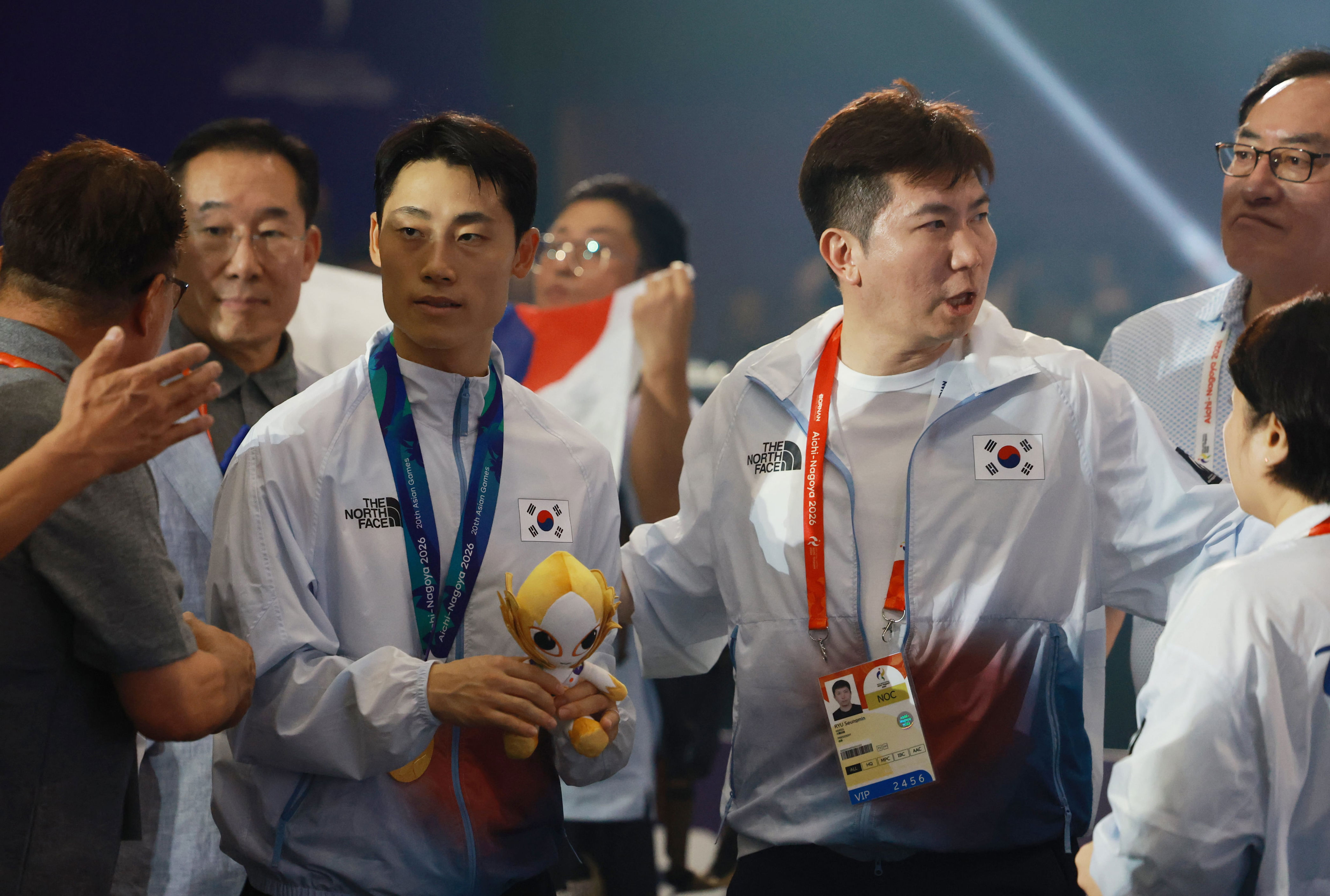
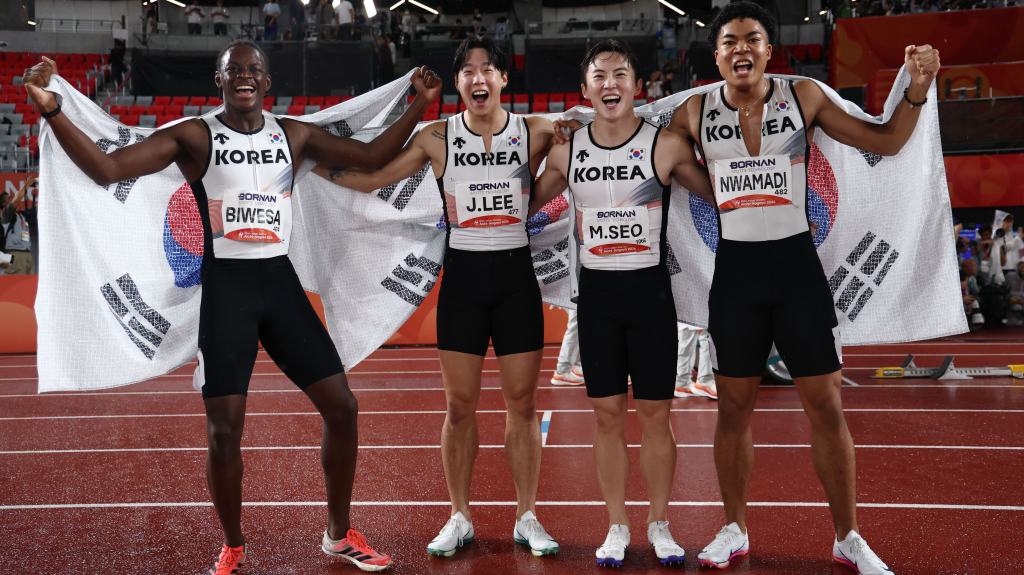
Regarding South Korea’s early performance, he optimistically forecasted, “Achieving the targeted maximum of 45 gold medals is possible.”
He said, “No one can predict, but even in difficult situations, Team Korea will show cohesion,” and added, “Athletes in wrestling, judo, and other late-stage events, who have underperformed, are likely preparing to restore their honor.”
◇“No Contact with North Korea… No Atmosphere for Interaction”
During the briefing, questions arose about North Korea’s sports development, which sent around 180 delegates. Ryu stated, “I don’t feel North Korean athletes’ growth is particularly notable,” and explained, “For growth, investment and competition experience are crucial, but limitations in these areas create boundaries.”
When asked if he had contacted North Korean officials, he replied, “I don’t force contact. Interaction should be mutual, and one-sided efforts are unfamiliar.” He added, “Like table tennis, shouldn’t there be give-and-take? Though we don’t harbor hostility, there’s no atmosphere where a smile would be reciprocated, so we are cautious.”
He concluded, “Managing our own team is already busy, and I don’t think we should push to resolve strained relations. However, if an atmosphere forms, sports can play a role.”


Leave a comment