
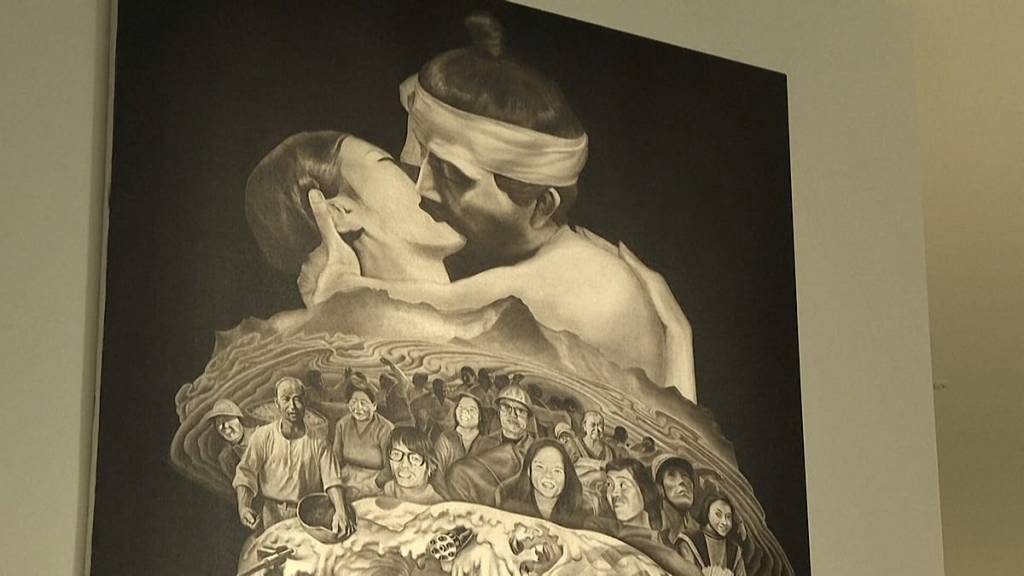
Long before K-pop filled stadiums and Korean films won global acclaim, the peninsula’s artists were casting temple bells, shaping delicate ceramics and capturing mountains in ink.
That older cultural world takes centre stage in ‘Korea’, the British Museum’s first major exhibition on Korean art and history in more than 40 years.
Spanning from 300 BC to the present, its 100 exhibits explore the beliefs and traditions that shaped Korean art.
The display includes 10 national treasures and 13 other treasures, official Korean designations recognising their cultural and historical importance, according to Samsung, the exhibition’s corporate partner.
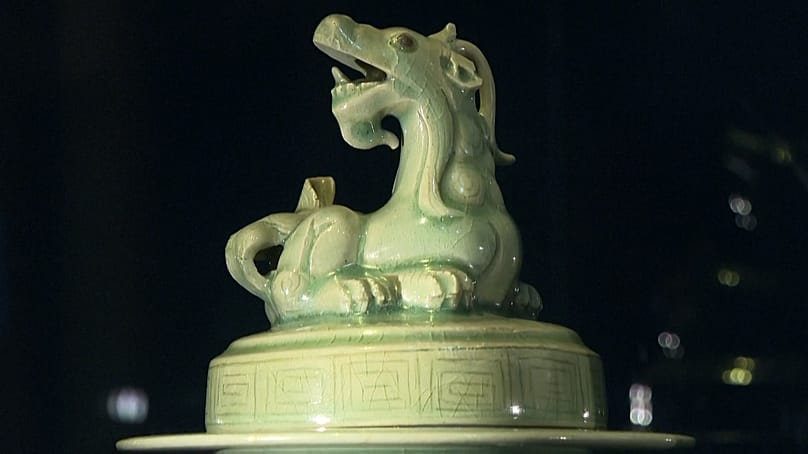
Among the objects on display are a 900-year-old incense burner crowned with a mythical creature and a huge Buddhist temple bell around 1,000 years old.
The exhibition moves from the luminous blue-green ceramics of the Goryeo dynasty to the restrained porcelain of Joseon, shaped by Confucian ideals, according to the British Museum and Samsung.
Together, they show how Buddhism and Confucian ideas shaped Korean art over the centuries.
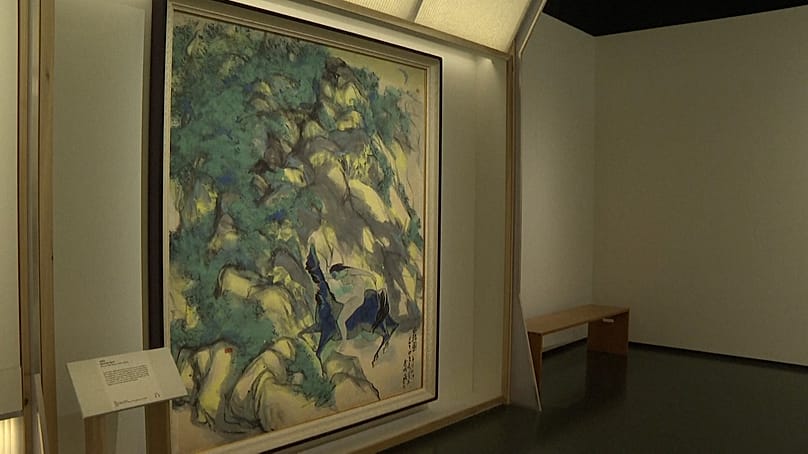
For the exhibition’s curator, Yoojin Kwak Choi, the “absolute star exhibit” is Jeong Seon’s Clearing After Rain on Mount Inwang.
Jeong Seon is an 18th-century Korean painter of the Joseon dynasty who helped shift landscape painting from idealised Chinese-style scenes towards Korea’s actual scenery, Choi explains.
But there are modern examples of Korean craftsmanship too.
Yeesookyung’s 2018 vase combines ceramic shards from North and South Korea. In Korean artisanal tradition, imperfect work is destroyed, so the artist has taken broken shards from that destruction and glued them together with gold leaf.
Most exhibits come from the collection of the late Samsung chairman Lee Kun-Hee.
The billionaire amassed a vast collection over his lifetime, and after his death in 2020, his family donated more than 23,000 works to South Korean national museums.
“Some people might think that Korean culture is new, but it is thousands upon thousands of years old,” said Benjamin Braun, Samsung Europe’s chief marketing officer.
For visitors drawn to Korea through its music and cinema, the exhibition opens a door onto that longer history.
‘Korea’ runs at the British Museum until 31 January 2027.






Leave a comment