
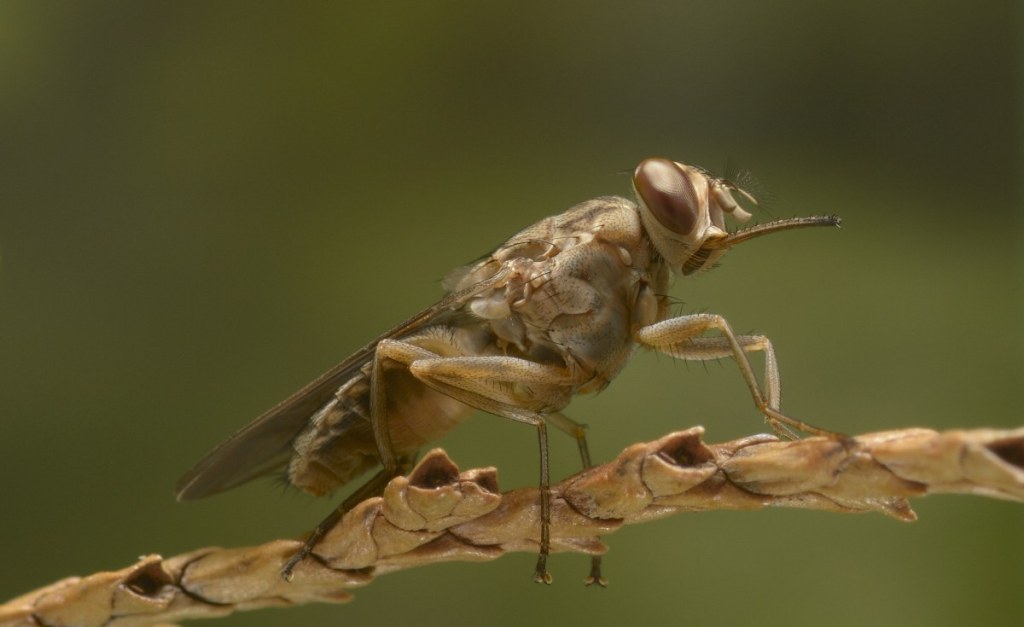
Accurate data gathering is crucial for enhancing initiatives aimed at managingtsetse fliesin Africa, enabling specialists to assess the scale of infestation, design suitable responses, and support decisions grounded in evidence.
Scientists from 16 sub-Saharan African nations recently convened in Arusha for a two-week regional workshop focused on advancing tsetse fly control through scientific methods, nuclear technology, and collaborative cross-border efforts.
During the official opening of the training, Tanzania Atomic Energy Commission (TAEC) Director-General, Professor Najat Mohammed, emphasized that dependable data would assist experts in mapping infestation levels across regions and identifying the most effective control approaches.
She noted that successful interventions rely on a clear understanding of the issue, highlighting that the training was structured to provide attendees with both technical expertise and hands-on capabilities to strengthen control measures within their home countries.
Professor Mohammed outlined that the program integrated classroom learning with real-world applications.
The initial week would consist of theoretical lectures, followed by the second week featuring field activities in tsetse-infested zones and lab-based training at the facility.
She explained that participants would be taught to implement scientific methods such as the sterile insect technique, which involves irradiating male tsetse flies to render them sterile prior to release into the wild.
When sterile males mate with females, it leads to fewer offspring, thereby helping to lower the fly population.
This method demands specialized knowledge, meticulous planning, and ongoing oversight to ensure that control measures are carried out effectively.
Professor Mohammed emphasized that cooperation among African nations is crucial, as tsetse flies and the issues they bring do not respect national borders.
She noted that exchanging knowledge and aligning responses could enable participating countries to enhance their individual programs and boost the overall impact of regional efforts.
Referencing Tanzania’s experience, Professor Mohammed pointed to Zanzibar, where the nation partnered with the International Atomic Energy Agency (IAEA) on a project using scientific methods to manage tsetse fly populations.
She stated that this initiative illustrated how technology can be instrumental in tackling the threat posed by these insects, which harm both human and animal health and hinder livestock farming.
Tsetse flies spread trypanosomiasis, a disease affecting both humans and animals. In animals, it can reduce productivity and create further burdens for farmers.
In parallel, Kenya’s Regional Coordinator, Ms Agnes Otwani, reported that her country has advanced in tsetse fly control and has succeeded in decreasing the number of livestock impacted by insect-borne diseases.
She emphasized that sharing expertise and hands-on experiences among professionals from various nations is crucial for enhancing control strategies and tackling common challenges.
The two-week training aims to enhance participants’ capacity to utilize data, scientific research, and technological tools in creating sustainable solutions, thereby minimizing the effects of tsetse flies on human health and livestock throughout Africa.
Copyright 2026 Tanzania Daily News. All rights reserved. Distributed by AllAfrica Global Media ().
Tagged: Tanzania, Health and Medicine, East Africa
Provided by SyndiGate Media Inc. (Syndigate.info).






Leave a Reply