A fresh initiative in Kenya is empowering farmers with deeper insights into their soil, aiming to boost crop productivity as climate-related challenges grow more severe.
The Soil Mapping for Resilient Agrifood Systems (SoilFER) programequips farmers with accurate soil data to guide key farming choices, including selecting appropriate fertilizers and determining optimal application rates.
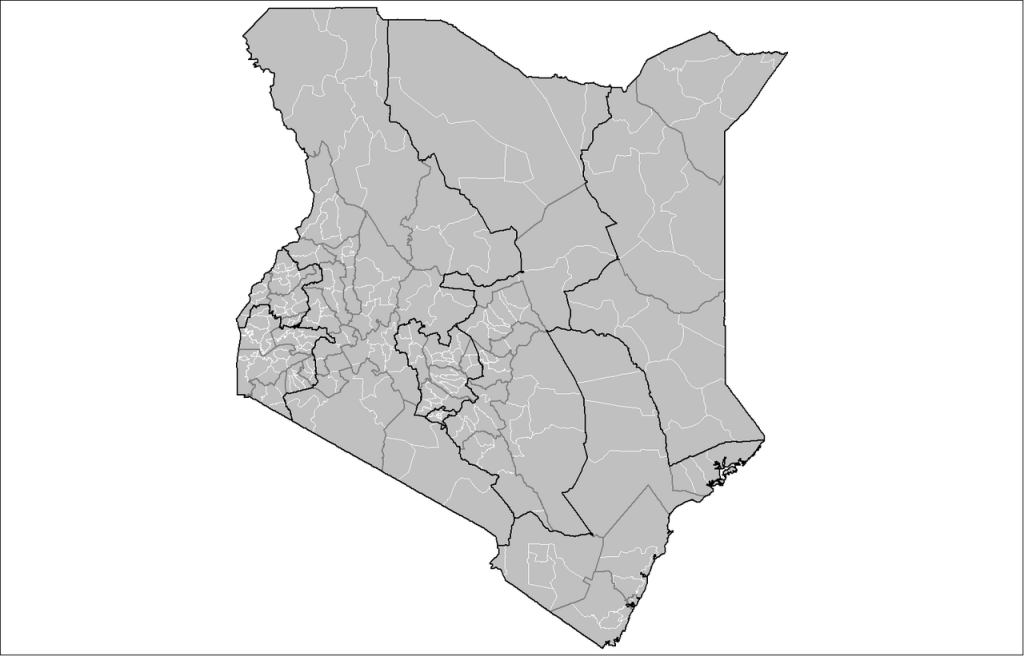
To date, over 3,600 soil samples have been gathered and analyzed across 45 counties, forming a digital soil map that delivers tailored land information to farmers based on location.
Selected farmers are also trained to identify and address soil degradation—earning the nickname “soil doctor”—and subsequently share their knowledge with fellow farmers.
SoilFER was initiated through a collaboration between the UN Food and Agriculture Organization (FAO) and the Kenya Agricultural and Livestock Research Organization (KALRO) in Kabete, backed financially by the United States Department of State and Japan.
‘Now we know better’
For Agness Munialo, a farmer from Kakamega county in western Kenya, gaining knowledge about soil composition and fertility has transformed her approach to farming.
Farmers once relied heavily on chemicals, often applying extra fertilizers in a bid to boost production. Today, we’ve learned from that approach,” she remarked.
Ms. Munialo, a certified soil specialist involved in the SoilFER programme, noted that the project is empowering farmers—especially those in remote regions—to gain deeper insights into soil makeup, pH balance, and nutrient content.
Barrack Okoba, FAO-Kenya’s national coordinator for the initiative, emphasized that providing accessible soil data is key to strengthening agricultural resilience.
Resilience includes ensuring our information systems are reliable and actively assist farmers in adopting sustainable farming practices,” he explained.
With backing from FAO, KALRO has upgraded three laboratories and outfitted them with advanced technology to analyze soil samples gathered nationwide.
Each sample is geotagged, and results are sent directly to farmers’ mobile devices.
Gen Z in agriculture
The programme is also drawing in younger generations interested in pursuing careers in agriculture.
Jackline Kioko, a KALRO intern who attended the launch event, shared that the data provided had enhanced her grasp of how soil testing can guide decisions on her family’s farm.
I’m really interested in expanding my farming activities now that I know you can test your soil to determine its nutrient needs,” she remarked.
Collaboration and information sharing
Mutahi Kagwe, Kenya’s Cabinet Secretary for Agriculture, emphasized the need for enhanced cooperation among agricultural institutions to support unified decision-making, improve data exchange, and ensure soil health is embedded in the mandates of all relevant bodies.
Let me encourage all Kenyans: before deciding on crops or fertilizers, start with soil testing,” he stated.
The occasion also saw the unveiling of the Kenya Soil Partnership, the Kenya Soil Laboratory Network, and the nationwide launch of the Global Soil Doctors Programme.
The SoilFER initiative is presently being rolled out in six additional nations: Ghana, Guatemala, Honduras, Mozambique, Tunisia, and Zambia.
Copyright 2026 UN News Service. All rights reserved. Distributed by AllAfrica Global Media ().
Tagged: Kenya, Food and Agriculture, East Africa
Provided by SyndiGate Media Inc. (Syndigate.info).




Leave a Reply