
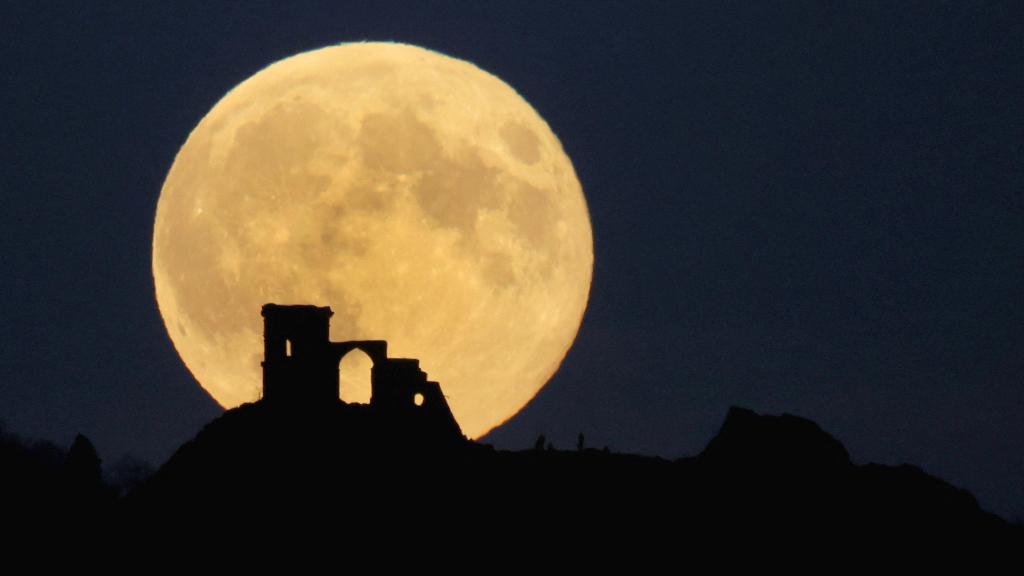
This weekend, the October full Moon—known as the Hunter’s Moon—will illuminate the night sky.
In the UK, it will be visible from Sunday, 25 October, through to the early hours of Monday, 26 October.
As the 11th full Moon out of 13 scheduled for 2026, it marks the last one before a sequence of four consecutive full Moons.supermoons.
To increase your chances of seeing it, monitor the weather forecast to ensure clear skies.
What is the optimal time to observe the Hunter’s Moon?
On Sunday, the Moon will rise in the eastern sky just after 16:00 GMT and will begin setting in the west between 07:00 and 08:00 GMT on Monday—timing may differ slightly across regions in the UK.
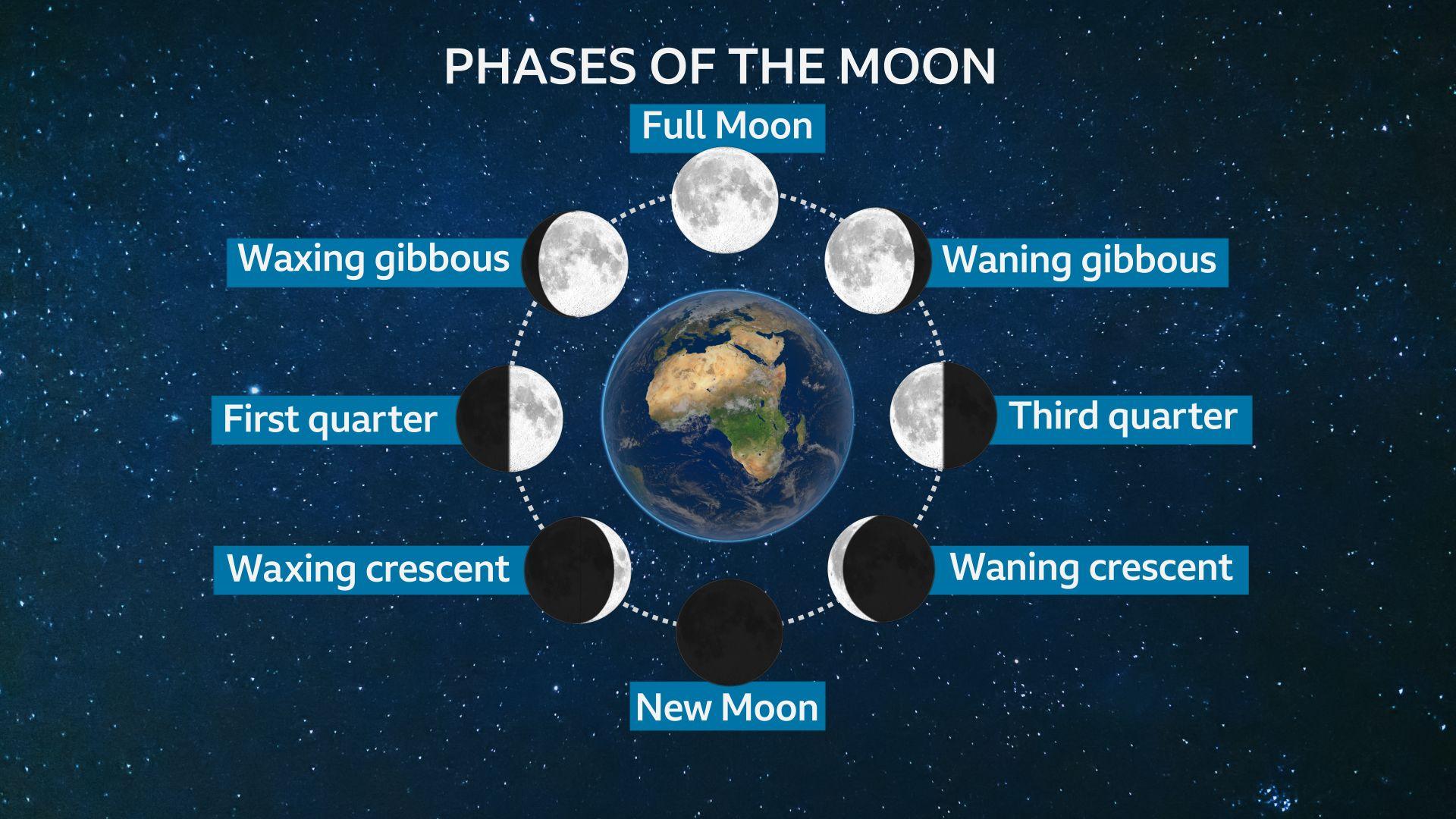
The Moon will reach its peak fullness at 04:11 GMT on Monday. This moment, known as “syzygy,” occurs when the Sun and Moon are directly opposite each other with Earth in between.
Nonetheless, the Moon will look fully illuminated on both Sunday and Monday evenings, offering two excellent opportunities for stargazers to witness it.
On a full Moon, the entire hemisphere of the Moon facing Earth is lit up by sunlight.
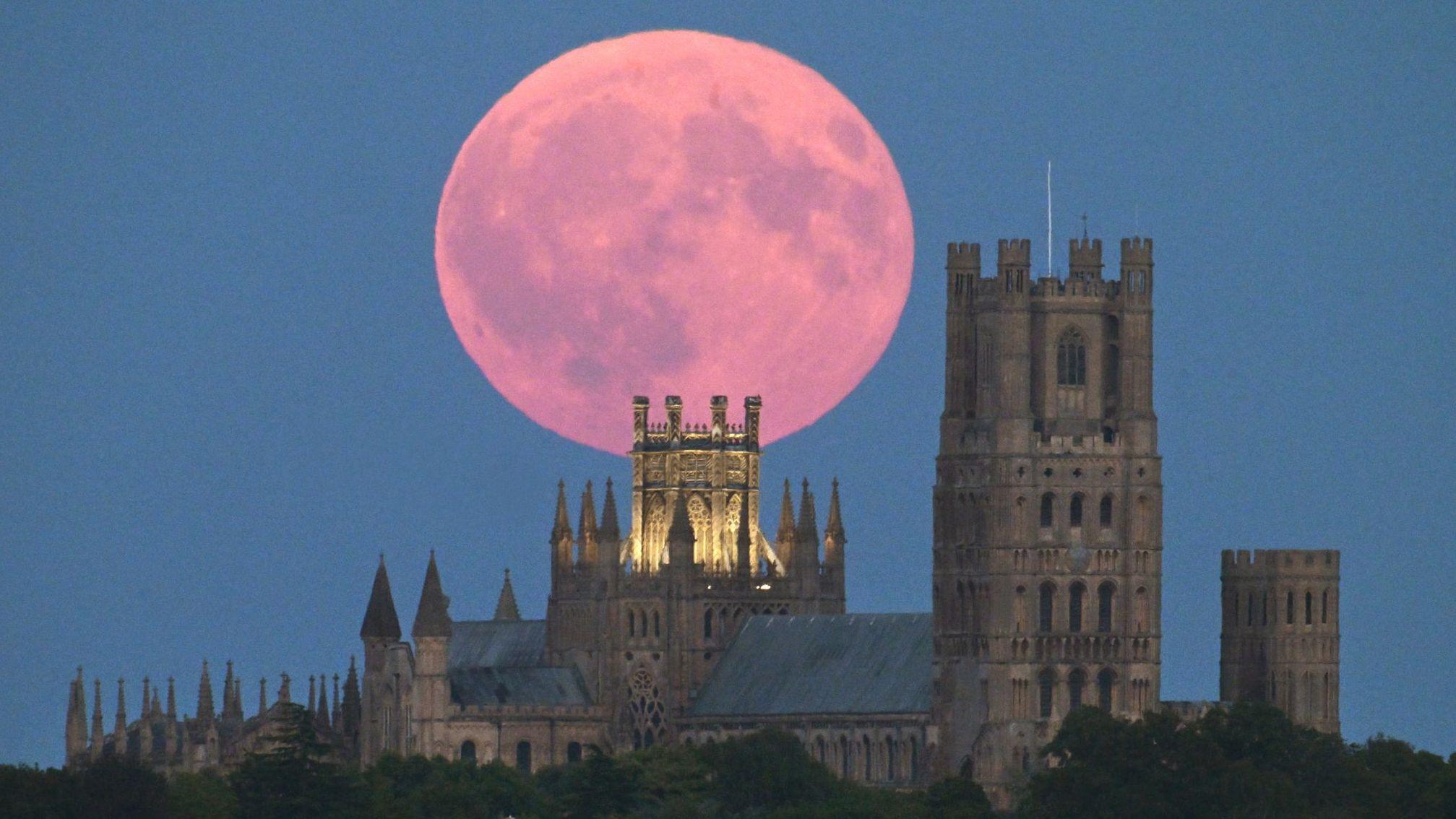
When the Moon is near the horizon, it can appear orange or reddish because shorter blue wavelengths of light are scattered by the atmosphere’s thickness.
Longer wavelengths like red and orange are less scattered, allowing them to reach our eyes directly.
The Moon often seems larger in the sky during moonrise and moonset—a phenomenon known as the “Moon Illusion.
This optical effect occurs because our brain perceives the Moon as bigger when it’s seen next to familiar objects like trees or buildings on the horizon.
Besides watching for the full Moon, you might also catch sight of some shooting stars, especially during certain meteor showers.Orionid meteor shower just past its peak.
However, the increased brightness from the Moon can hide fainter meteors, so patience is key—allow your eyes time to adapt to the darkness.
Why is it referred to as the Hunter’s Moon?
Full Moons occurring throughout the year have historically been assignedtitles that mirror seasonal changes in the natural world.
While various cultures assign distinct names to the 12 or 13 full Moons within the lunar cycle, many of the widely recognized names in use today trace their origins to Native American traditions.
In October, the name Hunter’s Moon stems from the period when hunters were most active, gathering supplies to endure the approaching colder and darker winter.
The Hunter’s Moon is notable for remaining visible in the sky for an extended duration—similar to the earlierHarvest Moon—providing additional illumination for hunters during nighttime pursuits.
Will the skies be clear enough to catch a view of the Moon?
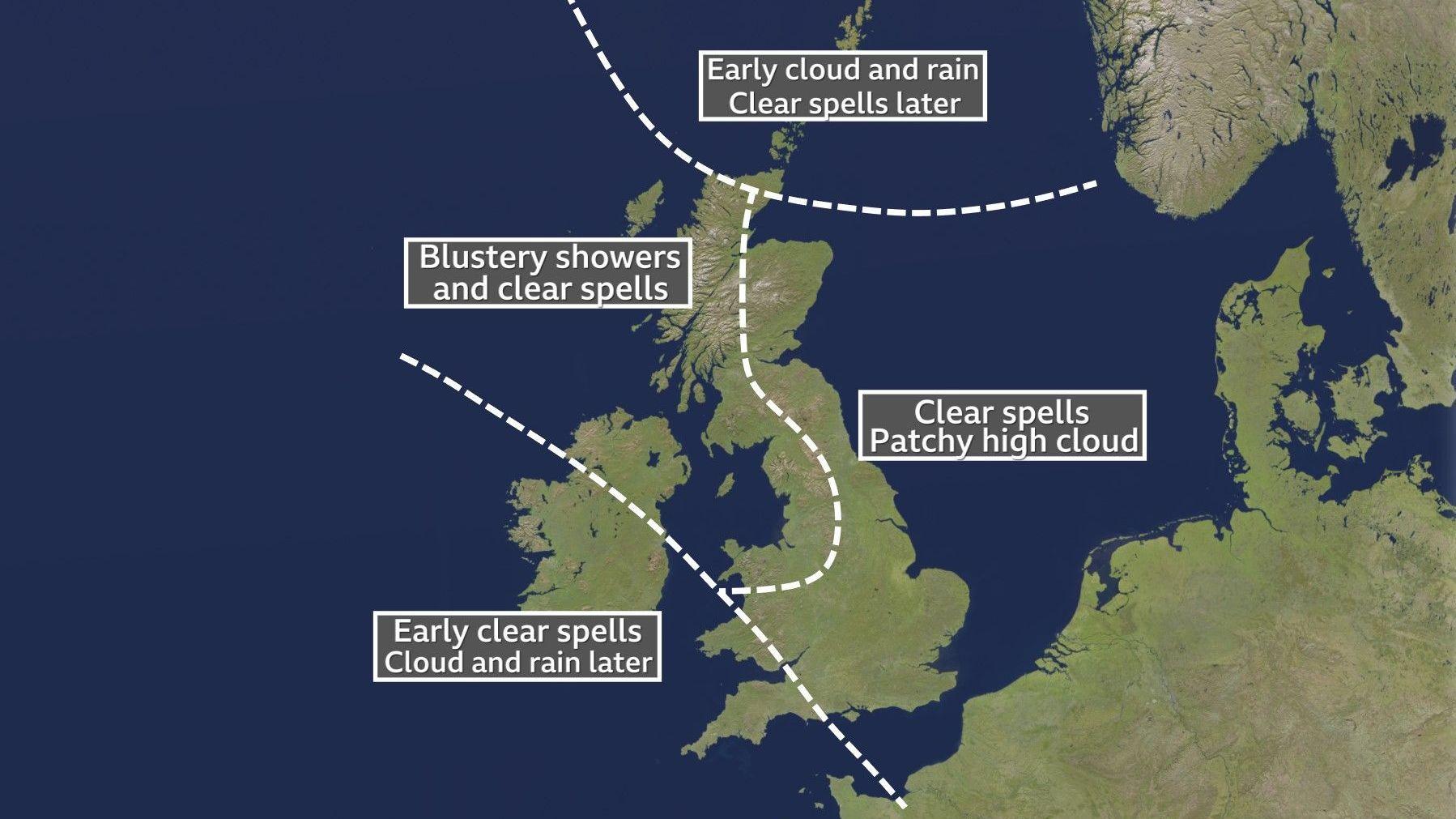
Storm Boelo will continue to deliver rainfall and intense winds across northern Scotland early Sunday night, though chances of spotting the Moon improve as the night progresses.
West Scotland and north-west England can expect numerous windy showers, though brief breaks between them might offer fleeting opportunities for visibility.
Elsewhere across the UK, conditions are more favorable, particularly during the early hours of the night when skies are clearer, before cloud cover gradually moves in from the south-west.
If the weather doesn’t allow viewing where you are, the next opportunity to witness a full Moon will be on 24 November—the Beaver Supermoon.
This will be followed by the Christmas Eve Cold Supermoon on 24 December.
The streak of supermoons will carry on into 2027, with both January and February’s full Moons also classified as supermoons.






Leave a Reply