
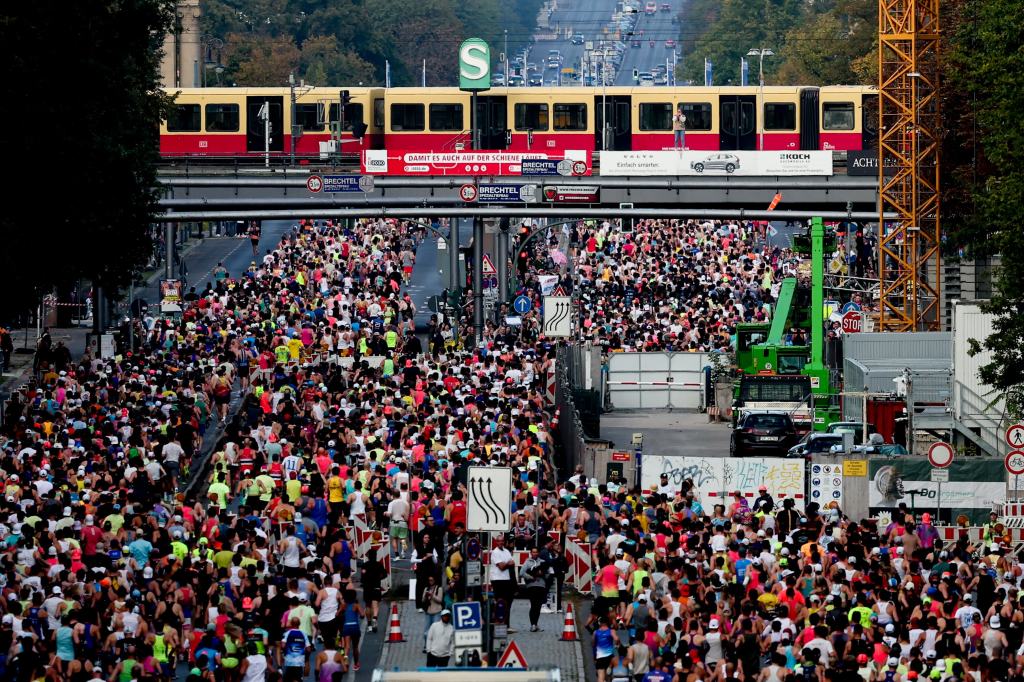
Overseas major cities are transforming marathons from simple athletic competitions into comprehensive tourism experiences centered around extended stays. By integrating lodging, dining, and sightseeing opportunities, they aim to extend the duration of visitors’ stays—encompassing runners, family members, and spectators—and stimulate greater local spending. This approach is designed to maximize economic returns by fostering repeat visits, going beyond the temporary economic surge typically associated with a single event.
Data released last month by the Mastercard Economics Institute revealed that small eateries and bars near the New York Marathon route saw a 22% increase in spending last year compared to baseline levels—a 7 percentage point improvement over the 15% growth observed during the 2023 race. Consumption peaked at 40% higher than normal during afternoon hours.
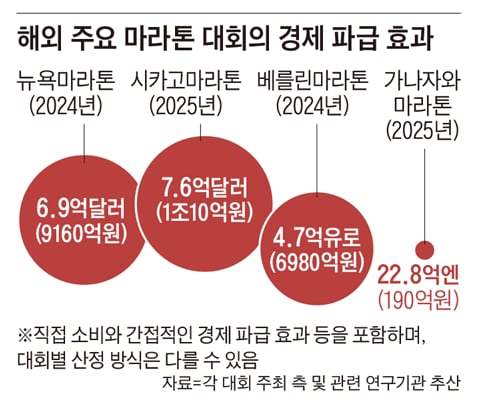
The financial impact is significant. The New York Marathon organizers reported that the 2024 edition generated a total economic ripple effect worth $692 million (about 920 billion KRW). Out-of-town runners and their supporters spent $178 million on accommodations and $109 million on food and drinks. Similarly, the 2025 Chicago Marathon produced an economic impact of $756 million, with more than 75% of participants hailing from outside Illinois.
In Berlin, Germany, the marathon is closely integrated with tourism offerings. During last month’s Berlin Marathon, 13 city hotels provided complimentary beverages to finishers displaying their medals. Additional perks included early breakfasts, late check-out options, and access to spa facilities. These initiatives are intended to incentivize participants to remain in the area and spend more before and after the race.
Around 200,000 people joined participants in the 2024 Berlin Marathon. Of those, 71% were non-local, staying for an average of nearly three nights. Ninety-five percent of out-of-town attendees and companions indicated they would return to Berlin and recommend it to others. The event contributed an estimated €469.4 million in economic value-added.
Japanese regional cities are also using marathons as tools to draw tourists. According to Kanazawa Gakuin University, the 2025 Kanazawa Marathon achieved a record economic ripple effect of 2.28 billion Japanese yen.
Domestically, there is growing demand to enhance accommodation availability and transportation infrastructure to encourage marathon participants to extend their stay in host regions.






Leave a Reply