
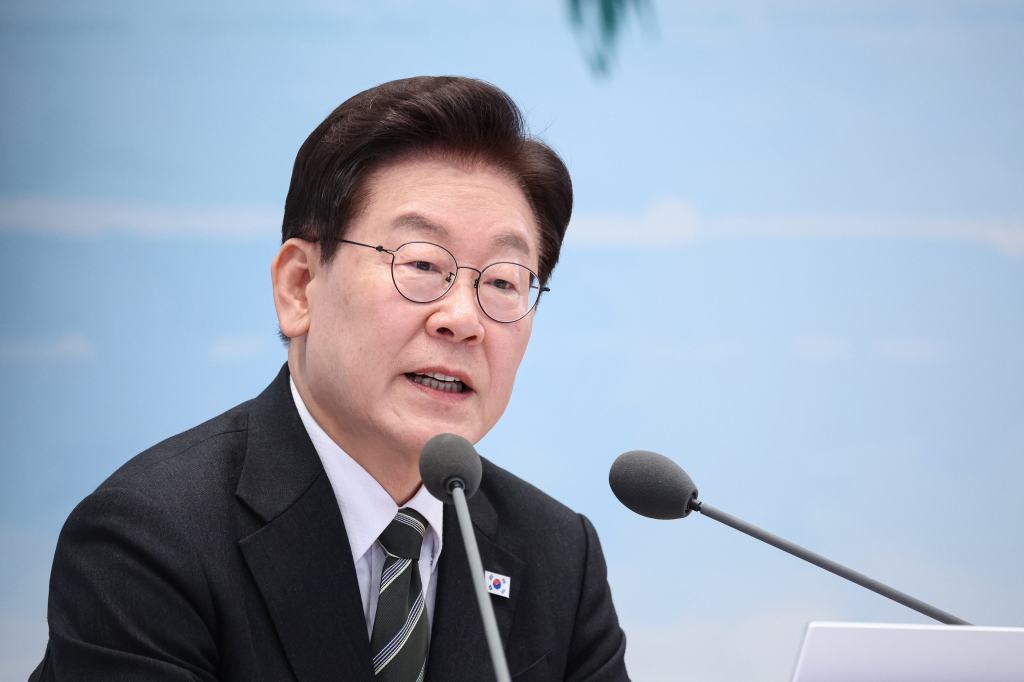
On October 26, President Lee Jae Myung said, “Concerning the matter of joining the Comprehensive and Progressive Agreement for Trans-Pacific Partnership (CPTPP), which has drawn significant public attention, I’ve directed that we won’t submit an application this year. Instead, we’ll engage in thorough discussions with farmers and fishermen to shape our path forward. It’s highly unlikely a final decision will be made during my presidency.”
The president shared these comments during his opening remarks at the ‘Dialogue with Farmers and Fishermen’ event held at the Cheong Wa Dae state guest house. In response to farmers’ resistance toward CPTPP accession, he noted, “If we move forward next year or the following year, it’s almost certain this won’t happen under my administration. Since I won’t run for re-election, please don’t be concerned.” He continued, “For the country’s overall progress, even amid criticism, we must advance to reach the next phase. Though difficult, this is unavoidable.” This indicates that while immediate action isn’t possible, essential steps should still be taken for long-term national benefit.
The CPTPP is a multilateral free trade agreement among 12 Asia-Pacific nations, including Japan, Canada, and Australia, designed to eliminate tariffs and lower trade and investment barriers. President Lee had earlier declared plans to pursue CPTPP membership after assuming office but delayed the application this year due to strong pushback from farmers, a core segment of his support base. His latest statements at the event—organized to address frustrated farmers—reaffirmed, “It’s safe to say that it won’t be concluded during my term.”
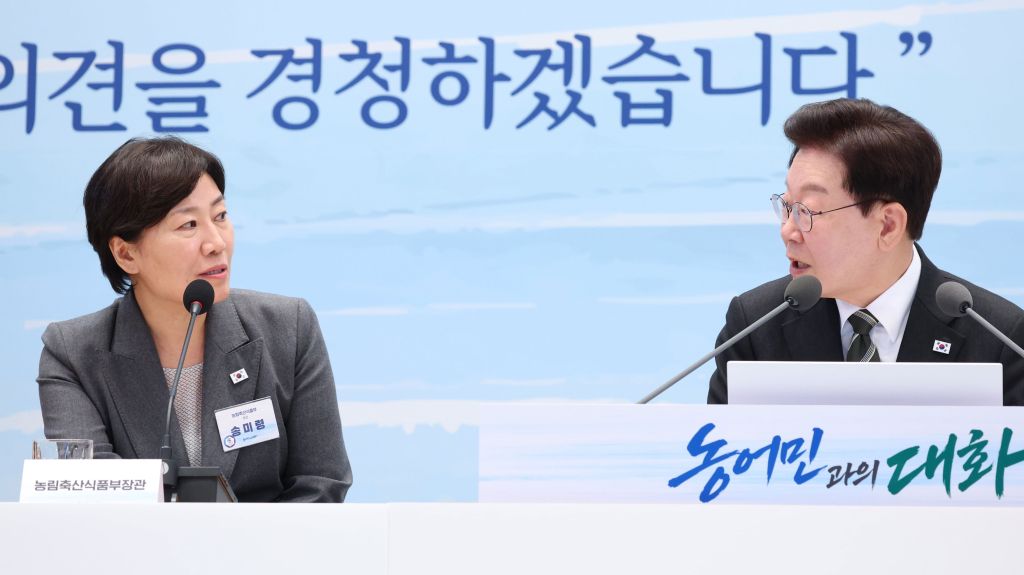
On the government’s nationwide farmland survey, which has encountered resistance from farmers, the president said, “Minister Song Mi-ryung advised me that ‘since this is a legal duty long overdue, we should carry out a full survey,’ which is why we moved ahead. There’s no reason to fear land confiscation.”
◇Lee: “Farmland Survey Proposed by Minister Song Mi-ryung”
Around 110 farmers and fishermen attended the meeting, invited by the president. They directly urged him, “We sincerely request you withdraw the review of CPTPP membership” and “The nationwide farmland survey has led to misunderstandings due to administrative penalties.”
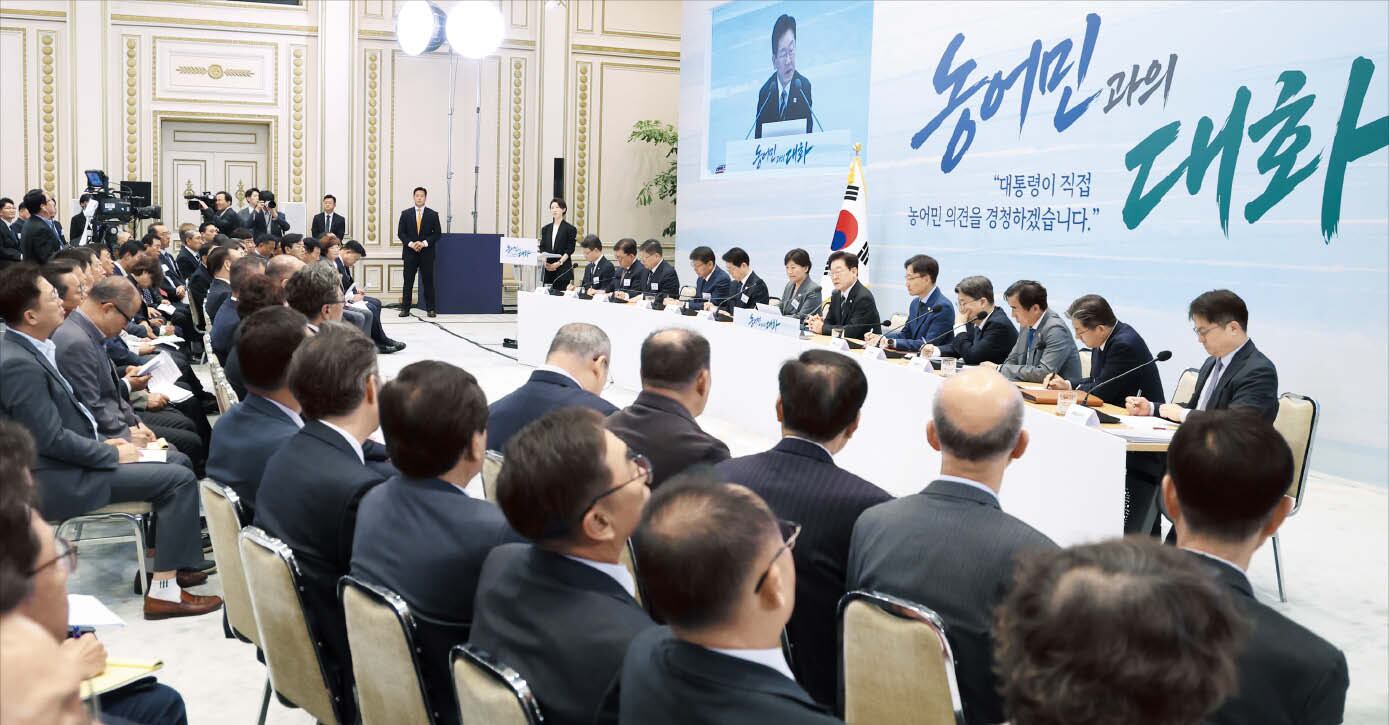
On the issue of CPTPP membership, President Lee stated, “If we isolate ourselves from global trade liberalization just to shield farmers, can we still claim to be a trading nation?” He added, “In the end, it would be regrettable if streets filled with tear gas because of farmer protests. A conclusion shouldn’t result in such chaos.” This implies he cannot impose a decision facing intense opposition.
He also remarked, “Actions like driving tractors through Namtaeryeong are impractical,” and “I won’t allow tractors to be driven in front of Cheong Wa Dae. Why resort to fists when words are enough?” Regarding demands to boost public benefit direct payments, he said, “You can anticipate positive results. Direct financial support for agriculture must increase. A rural basic income is one such approach.”
Last year, the government officially declared its intention to pursue membership in the CPTPP. In December, Industry Minister Kim Jung-kwan remarked, “We will actively assess joining to mitigate risks posed by the U.S. and China,” while Foreign Minister Cho Hyun added, “Our goal is to broaden our economic reach through membership.” Cheong Wa Dae confirmed in January that CPTPP accession had been discussed during the Korea-Japan summit. The government initiated public consultations on the matter in August. However, President Lee ordered a reassessment on October 6 and now suggests, “It’s highly unlikely a final agreement will be reached within my presidency.”
The nationwide farmland survey encountered significant obstacles due to resistance from farmers. Launched in May to combat land speculation, the government announced a major delay in penalties on September 21, just before Chuseok. Nevertheless, farmer discontent continued, culminating in a de facto halt on October 8, when non-speculative cases—such as those involving aging or inheritance—would no longer need to be processed through the farmland bank. President Lee cited Minister Song Mi-ryung’s initiative as the origin of the survey, drawing criticism from opposition figures: “Now that it’s gone awry, they’re shifting blame onto the minister.”
Government policies keep being reversed amid public outcry. On October 23, under pressure from labor unions, President Lee directed officials to “carefully consider whether to revise current enforcement regulations or streamline procedures” regarding exceptions to the 52-hour workweek for semiconductor workers. The business sector, anticipating special exemptions through the Mega Special Zone Act, feels uncertain. Political observers have warned, “The government’s policy credibility is declining, leading to confusion.” While adjusting flawed policies is necessary, sudden announcements followed by abrupt reversals only add strain to governance.




Leave a Reply