
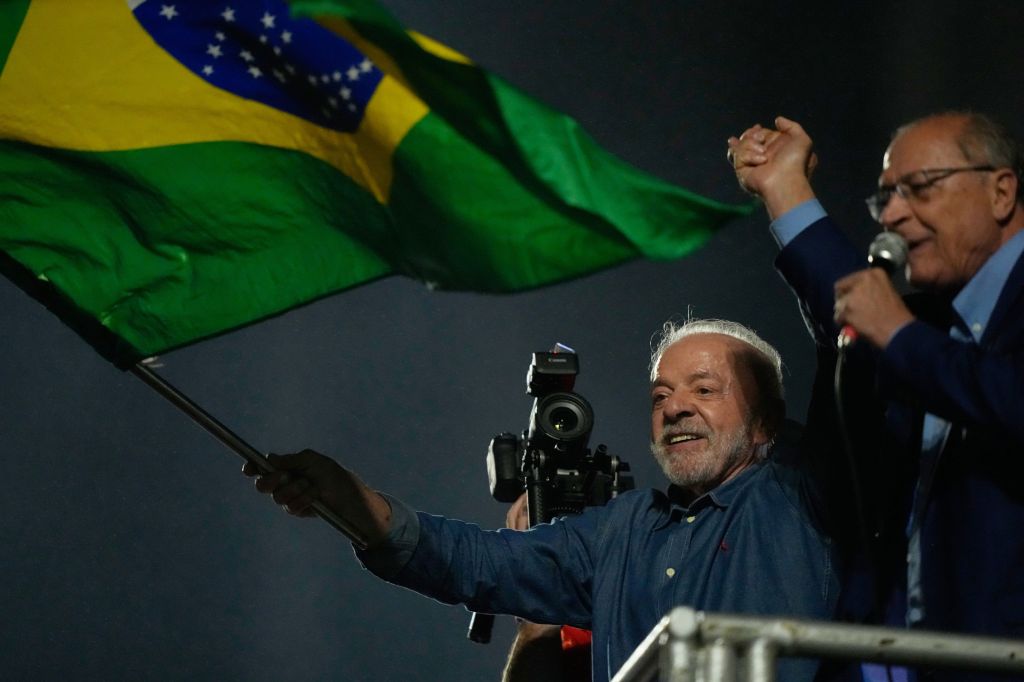
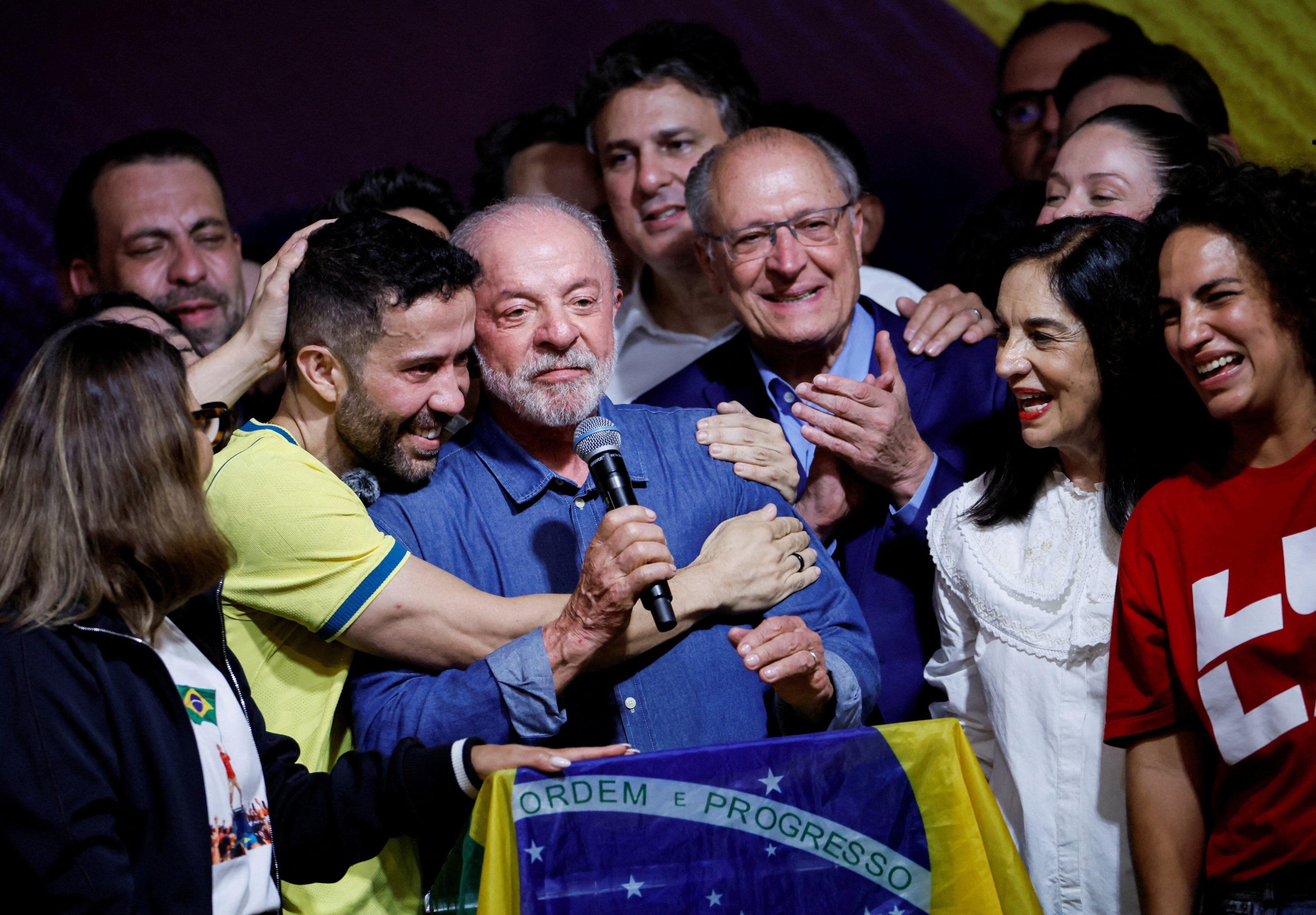
Brazil’s “left-wing patriarch,” President Luiz Inácio Lula da Silva (81), triumphed over Senator Flavio Bolsonaro in the runoff held on the 25th (local time), making history as Brazil’s first president to serve four terms. Lula garnered 51.79% of valid votes, narrowly defeating Flavio, who received 48.21%, by a margin of 3.58 percentage points. In his victory address, where he denounced U.S. high tariffs and foreign meddling while championing national sovereignty, Lula declared, “Brazil is not anyone’s backyard,” and affirmed, “We have resisted external interference via digital platforms.”
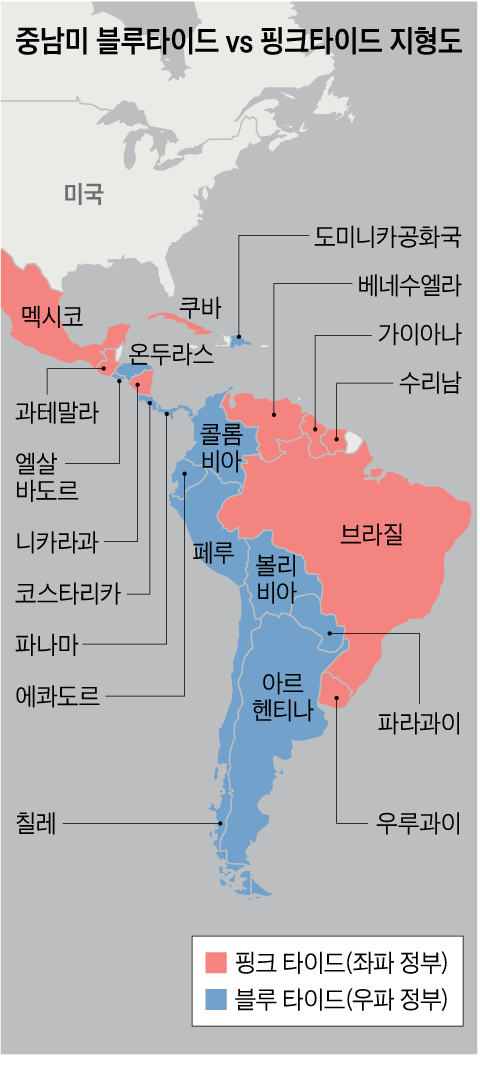
Lula’s win is poised to trigger major political shifts not just across Latin America but throughout the Americas. This is because the recent surge of right-wing governments—known as the “blue tide”—across the region has been halted in Brazil, the continent’s largest economy, most populous nation, and leading power. U.S. President Donald Trump’s Western Hemisphere strategy, which has indirectly backed right-leaning candidates under the guise of countering Chinese influence and curbing illegal migration, now faces significant challenges.
Lula marks the first candidate since Brazil implemented the runoff system in 1989 to place second in the initial round and then clinch victory in the runoff. The Bolsonaro family’s ambition to become Brazil’s first father-and-son presidential duo has thus been thwarted for the second consecutive election. Former President Jair Bolsonaro (Flavio’s father), who lost to Lula in 2022, is currently incarcerated on charges related to election fraud and plotting a coup.
South Korean President Lee Jae Myung extended his congratulations to Lula on the 26th through social media, writing, “My special friend and comrade, President Lula, I am thrilled to celebrate your victory.”
◇Brazil Congress Favors Right-Wing… ‘Lula Faces Inevitable Clashes from Start of Term’
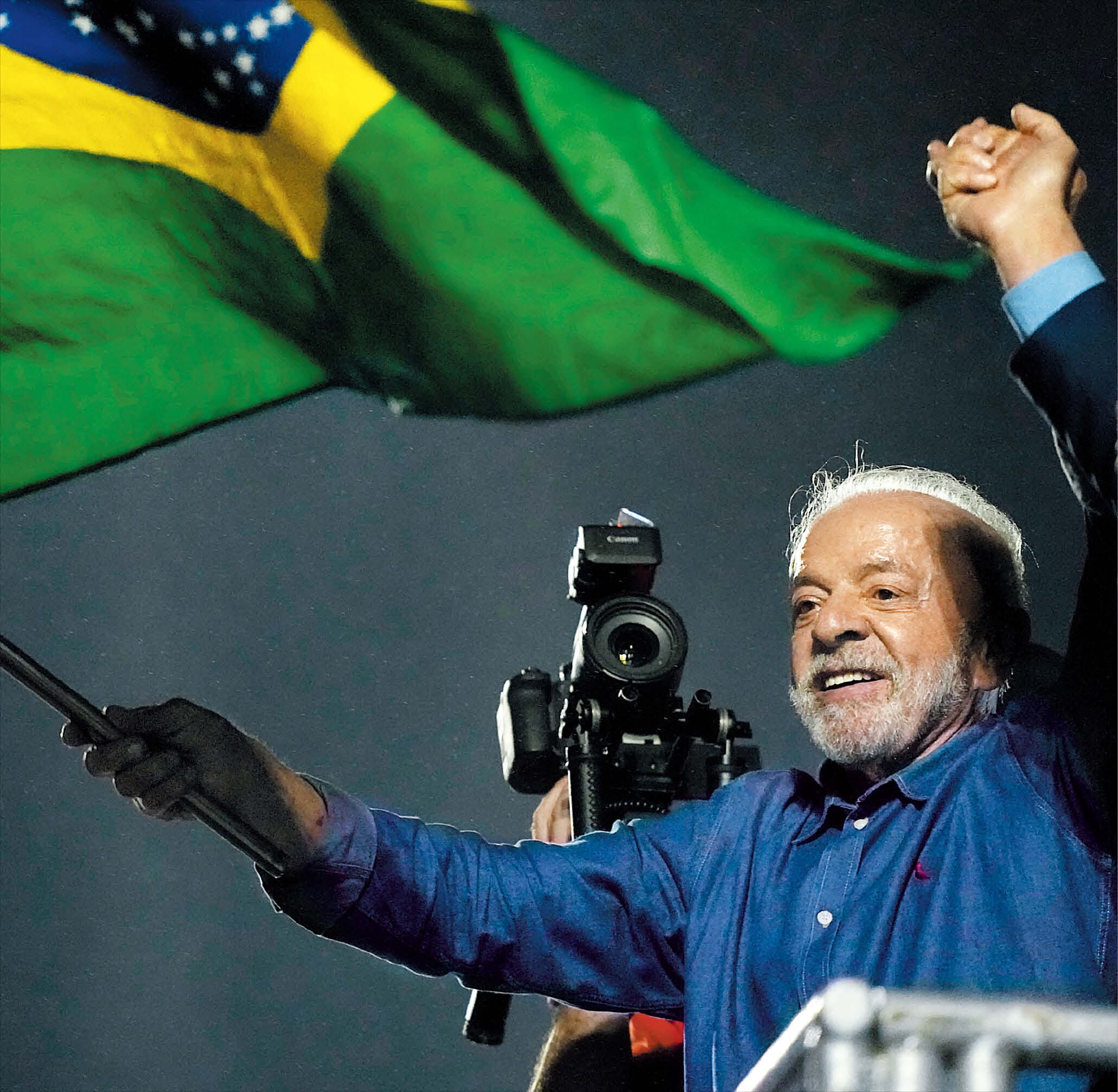
Lula’s fourth-term victory in the October 25 runoff was dramatic. Just before the vote, prediction market Polymarket assigned Flavio Bolsonaro an 80% or higher likelihood of winning. At one stage during the tally, Flavio even led. Analysts point to Lula’s labor reforms, expanded social welfare initiatives, and a final push to rally his base as key factors behind the reversal.
◇Come-from-Behind Victory via Last-Minute Support Mobilization
Following his first-round loss, Lula concentrated on re-engaging core supporters with promises to erase small business debts, offer free weekend public transit, and expand university scholarships. A 15% boost to the “Bolsa Família” program for low-income households further strengthened backing among poorer communities. Particularly impactful was the Senate’s passage on the 14th and official enactment on the 16th of a constitutional amendment eliminating the six-day workweek without reducing wages—a reform expected to benefit around 14.9 million people.
Lula ramped up his campaign activities, restructuring his team to prioritize grassroots rallies and digital outreach. The WhatsApp group “Lula’s Army,” launched by Representative André Janones, drew in 10.8 million members. By promoting content sharing and encouraging attendance at demonstrations, it energized supporters anxious about the Bolsonaro family’s potential return to power. This mobilization helped activate voters from communities traditionally backing Lula but previously prone to low turnout. Voter abstention in the runoff reached around 19.22%, the smallest since 2006.
◇Governance Challenges Amid Right-Wing Majority Congress
Nevertheless, Lula’s second term is expected to face significant hurdles. During the congressional elections held on the 4th alongside the first round of the presidential vote, right-wing factions strengthened their hold. According to Folha de S.Paulo’s analysis, 59% of the new Chamber of Deputies and 64% of the Senate are aligned with the right. Although these forces aren’t a cohesive opposition bloc, the inability to win over centrist or center-right legislators could obstruct major legislative initiatives and key appointments.
The Bolsonaro family’s substantial presence in Congress further complicates matters for Lula. Former President Jair Bolsonaro’s wife, Michelle, secured a federal district seat; his son Carlos became a senator representing Santa Catarina; and his youngest son, Jair Henrique, entered the lower house. Even after losing the presidency, they retain a platform to exert pressure on the incoming administration. Tensions are likely to arise over issues such as Jair Bolsonaro’s potential pardon and judicial reforms. Oliver Stuenkel, a professor at the Getulio Vargas Foundation, noted, “Lula may begin his term in a weakened, almost powerless position.”
The Lula administration also faces looming financial strain due to commitments made prior to the runoff. Brazilian media report that the various promises announced before the election total roughly 290 billion reais (approximately 77.27 trillion Korean won).
◇Impact of Halting the ‘Blue Tide’
Although the “second pink tide”—a wave of left-leaning governments across major Latin American nations in the early 2020s—was nearly reversed by the conservative “blue tide” following Donald Trump’s re-election, Brazil’s narrow reversal of that trend could signal a pivotal shift in the region’s political direction.
Particular focus will be on how Lula navigates relations with the United States under Trump. While affirming national sovereignty, the Brazilian government intends to pursue dialogue with Washington to reduce tariffs. Critical minerals represent a key point of intersection between cooperation and friction. The U.S. seeks access to Brazil’s rare earths and other strategic resources to lessen reliance on China. Lula, however, aims to move beyond exporting raw materials and instead build domestic processing capabilities and industries. In September, he unveiled a critical minerals strategy, declaring, “Our sovereignty is not for sale.”
Still, with the election over, both nations might pursue practical dialogue. Paulo Abrão, head of the Washington Brazil Office, said in an interview with Folha de S.Paulo, “Should Washington decide it needs to engage with Lula, there would be motivation to turn some of the election-driven tensions into collaborative government-to-government efforts.”



Leave a Reply