
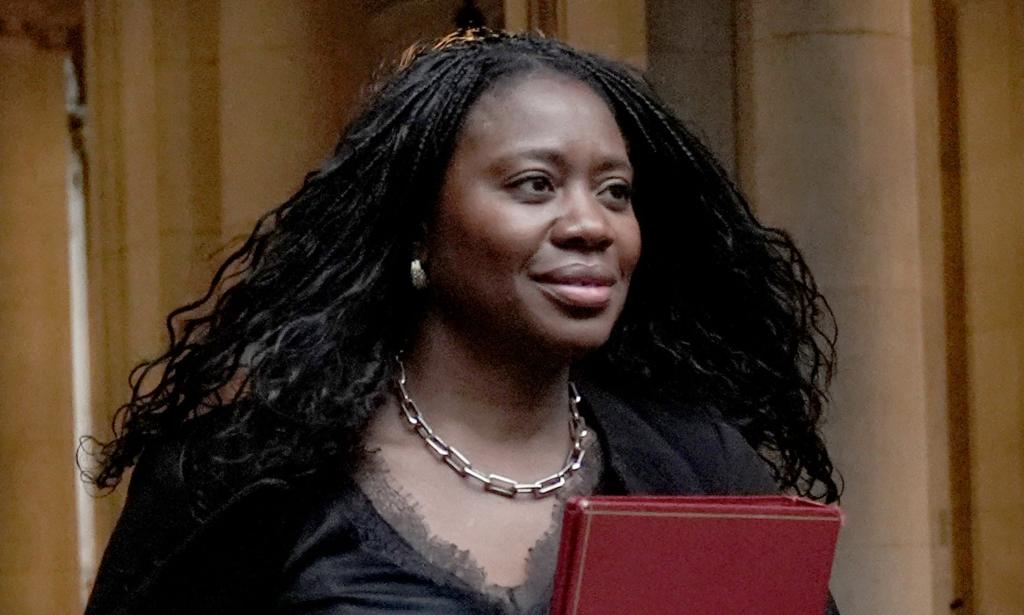
Energy Secretary Miatta Fahnbulleh appeared increasingly isolated within the Cabinet last night asLabourinsiders suggested the Government was moving away from Net Zero principles to address the ongoing cost-of-living crisis.
Ms Fahnbulleh found herself at the heart of a controversy regarding the future of the North Sea’s Rosebank oil field, following revelations by The Mail on Sunday over the weekend that both the Prime Minister and Chancellor were pushing to approve drilling for its estimated 500 million barrels of oil.
In response, Ms Fahnbulleh – a close ally of climate activist figuresEd Miliband– who had previously voiced environmental concerns about the project, maintained she would have the ultimate authority on the matter.
However, a Labour insider stated last night: ‘The approval of Rosebank will be decided collectively across Government and merely formally endorsed by Miatta.’
As part of this strategic pivot from Net Zero priorities towardcost of living, ministers are beginning to emphasize ‘affordable energy’ instead of ‘sustainable energy’.
Senior government figures are concerned that ifDonald Trumpincurs significant setbacks in this week’s US mid-term elections, he might respond with ‘distraction bombing’Iran, potentially driving energy costs even further upward.
A source stated: ‘A weakened Donald could prove difficult to manage, so the main focus is on “power sovereignty” and “affordable energy”. While we support clean energy, it must also be cost-effective.’
The source continued: ‘Even Ed [Miliband] is beginning to recognize the reasoning behind this approach.’
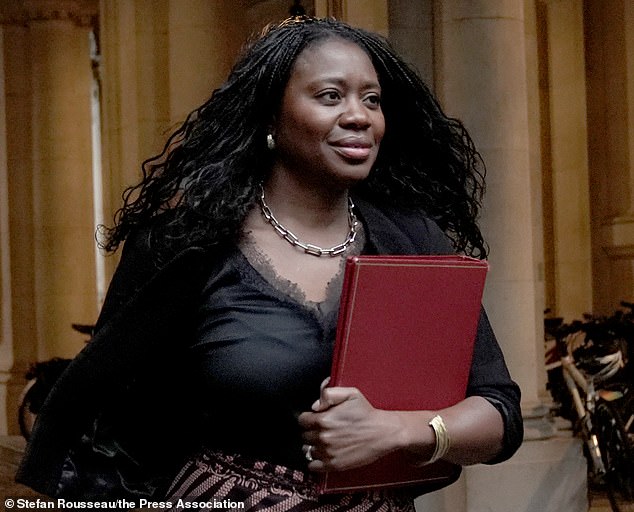

Following the MoS report on the Rosebank oil field, Ms Fahnbulleh’s parliamentary team distributed a memo to MPs emphasizing that she would retain ultimate authority over the project.
The memo noted: ‘No decision has been finalized. The Energy Secretary is the sole decision-maker and will assess all pertinent considerations within a quasi-judicial framework. No other Cabinet member or minister is involved in the decision-making process or has access to the advisory material.’
Yet this claim contradicted the fact that Wednesday’s Budget announcement incorporated anticipated tax revenues from Rosebank into its financial projections.
As another indication of the shifting priorities, Chancellor John Healey published an article in The Times yesterday stating that government ministers would block new clean energy initiatives if they increased the financial burden on taxpayers—specifically, the costs incurred when the government compensates wind turbine operators to shut down their facilities due to insufficient grid capacity for power transmission.
Mr Healey’s remarks followed data revealing that dependence on wind energy made September the priciest month ever recorded, with consumers facing a massive £505 million surcharge to maintain system stability.
Government officials are growing increasingly concerned about the rising expenses tied to “wasted wind,” a consequence of constructing additional wind farms without first upgrading the UK’s electricity infrastructure to handle the influx.
The National Energy System Operator (NESO) has acknowledged that the expense of shutting down wind turbines could climb to £9 billion by 2029, potentially adding up to £100 to average household energy bills.
On Tuesday alone, nearly £7 million was disbursed to wind farm operators to halt production, according to a monitoring tool by Octopus Energy, while over £40 million was paid to gas power stations to fill the sudden electricity gap.
Independent analyst Kathryn Porter stated: ‘We must abandon the practice of allowing wind farms to connect to the grid years before the network is prepared to manage them.’
She added that NESO should initiate shutdowns a day earlier to prevent costly last-minute interventions.
However, a spokesperson from the Department for Energy said: ‘This is a quasi-judicial process. The Energy Secretary holds sole authority over such decisions; no other minister is involved.’




Leave a Reply