
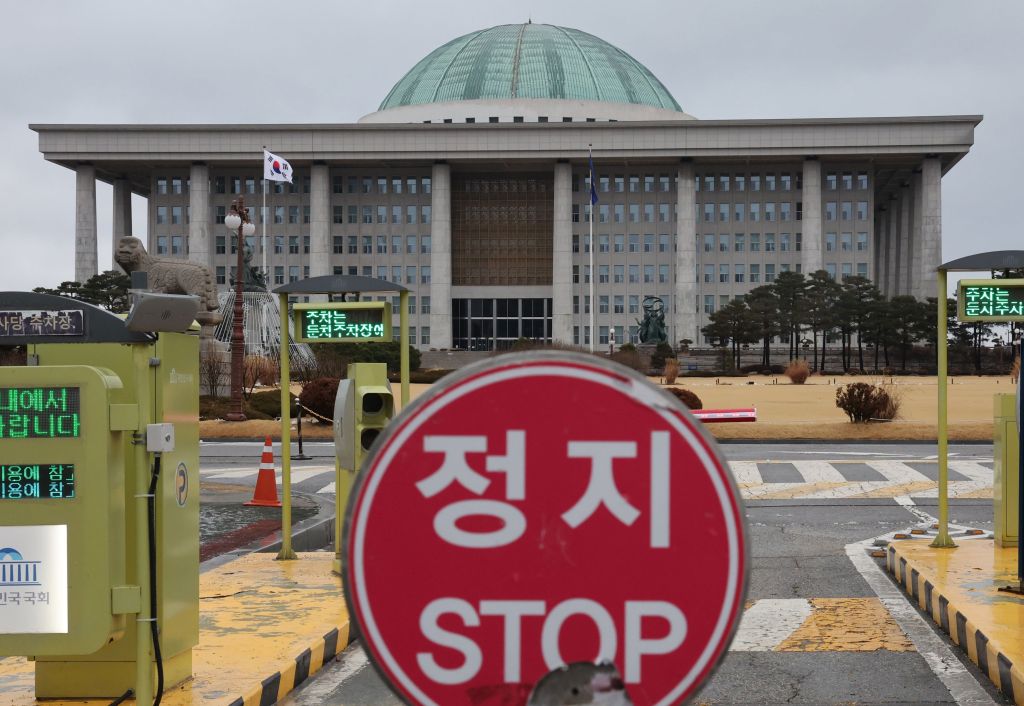
The government’s primary funding mechanism for the 160 trillion Korean won Future Response Fund—‘additional tax revenue’—is expected to end after 2029, as revealed in a report issued on the 1st by the National Assembly Budget Office (NABO). The fund is intended to channel extra tax income, fueled by the semiconductor industry’s growth, into major initiatives like ‘Honam Semiconductor’ and youth investment programs.
In its ‘2027 Budget Proposal Comprehensive Analysis,’ NABO noted, “Beyond 2029, the projected trend value of domestic tax revenue will surpass the internal tax forecast, leaving no room for additional tax revenue to serve as a source for the Future Response Fund.” This assessment stems from the government’s ‘2026–2030 National Fiscal Management Plan’ submitted to the National Assembly. Whether using the plan’s tax outlook or NABO’s independent analysis, the trend value is set to exceed the internal tax projection starting in 2029, eliminating any surplus tax revenue. According to the ‘Act on the Establishment and Operation of the Future Response Fund,’ additional tax revenue refers to income exceeding long-term tax trends and may be used as a fund source.
According to the National Fiscal Management Plan, NABO projected an additional tax revenue of 57.3 trillion Korean won in 2028, after which no further such revenue will be generated beginning in 2029. NABO remarked, “Additional tax revenue is more of a short-term, concentrated influx during 2027–2028 rather than a lasting one,” and added, “Post-2029, the Future Response Fund will likely rely on supplementary funding sources without contributions from additional tax revenue.”
On the topic of expanded fiscal spending by the government, NABO cautioned, “Given current economic conditions, the proposed 2027 budget expansion could boost aggregate demand, potentially triggering price instability and higher interest rates, which might worsen burdens on vulnerable populations and businesses. Thus, countermeasures should be reconsidered.”






Leave a Reply