
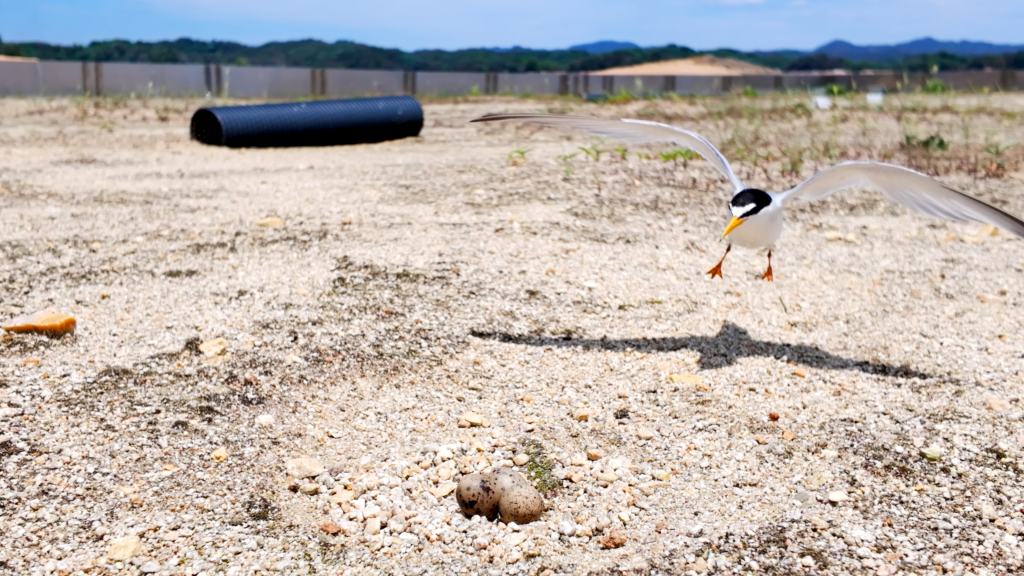
Each spring and summer, migratory little terns journey in from faraway southern nations, covering roughly 10,000 kilometers to nest on sandy islets within the lake and rear their offspring. The chicks hatched here consistently return the next year, mirroring the paths of their parents. This enduring cycle has unfolded for 14 consecutive years at Andong Lake.
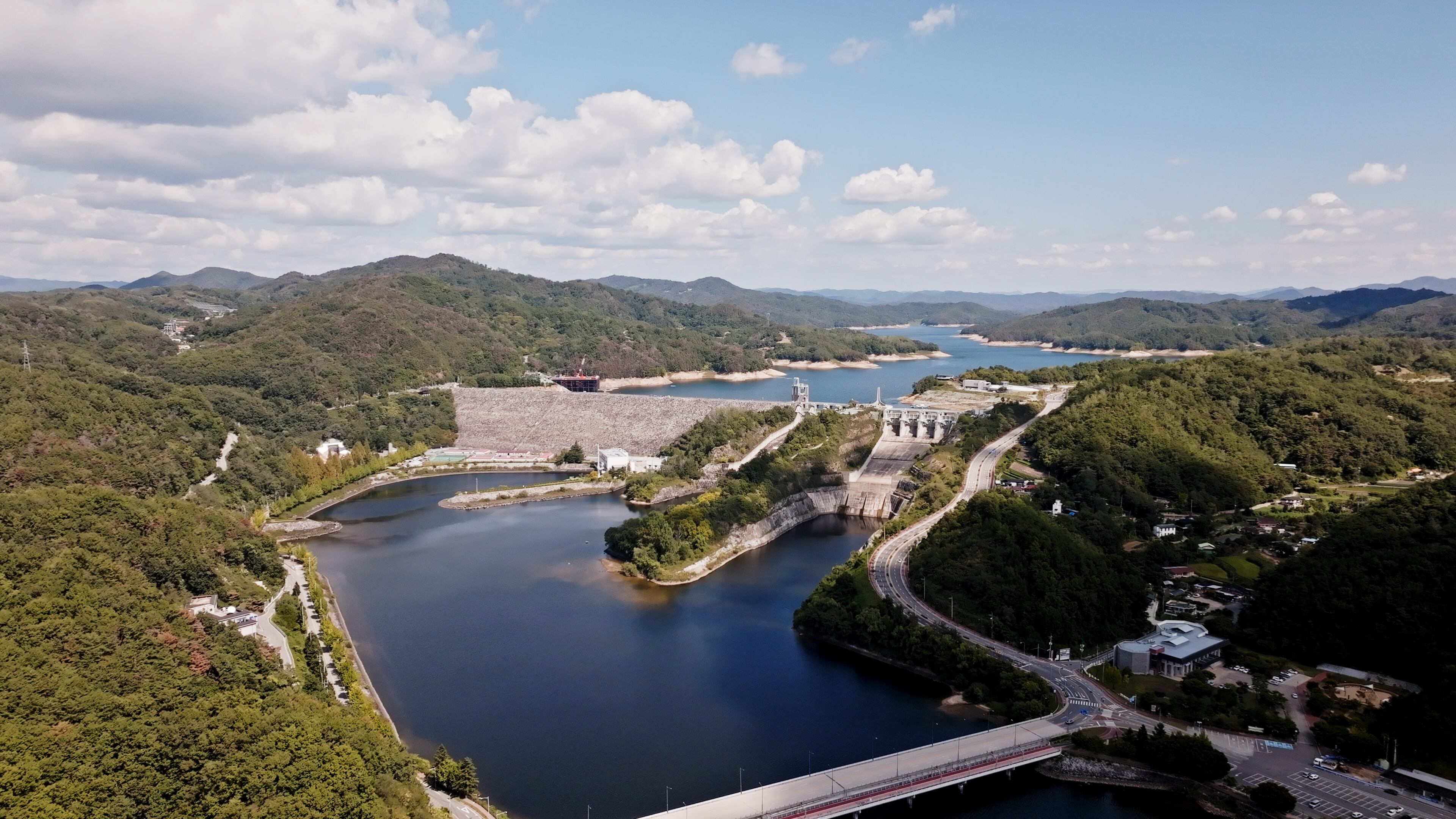
Visitors to Andong Dam experience a similar passage through time. A child once strolling along the dam’s edge, clutching a parent’s hand, eventually returns as an adult, now guiding their own child. For the past fifty years, Andong Dam has evolved into a repository of heartfelt memories for locals, a destination they return to whenever they seek connection or reflection.
To commemorate the 50th anniversary of Andong Dam’s completion, a special documentary will be released, exploring the site’s transformation over half a century—from a monument of industrial progress to a sanctuary harmonizing nature and community life.
Andong MBC announced on the 3rd that it will air the special 50th-anniversary documentary on Andong Dam’s completion, titled “The Dream of Nakgang,” on the 5th at 9 p.m. via Andong MBC TV and YouTube.
The film opens with little terns nesting and raising their young on the sand islands of Andong Lake. It traces the continuous cycle of life as these migratory birds travel from distant southern regions to breed at Andong Lake, with their offspring returning the following year.
Andong Dam also serves as a living archive of intergenerational memories for people. The documentary emphasizes how the dam—originally constructed for water storage and power generation—has transformed over five decades into a place of relaxation and a popular spot for family outings.
It revisits the dam’s construction history and the era of rapid industrialization. Through interviews with officials who worked on the project between 1971 and 1976, the production team brings to life the challenges and efforts of that period. The film reevaluates Andong Dam’s pivotal role in fueling South Korea’s industrial boom during the 1970s by providing essential water and electricity to industrial hubs in the Yeongnam region, including Gumi, Daegu, and Busan.

The documentary also confronts the human cost behind the dam’s success, shedding light on the lives of those displaced during its construction—stories long obscured by the triumphs of industrialization. It reflects on the emotional toll of separation and forced relocation endured by residents uprooted from their homes, offering a balanced portrayal of both the achievements and the hardships embedded in Andong Dam’s 50-year legacy.
Amid the ongoing climate crisis, the documentary explores the significance of dams and the challenges ahead. The production team traveled to dam locations in Japan and Europe to document shared issues and adaptive strategies employed by dams globally—including Andong Dam, which has now exceeded fifty years since its completion.
Remarkably, the film captured in detail, over a period exceeding one month, the assembly of the water turbine generator—a routine inspection performed every six years at Andong Dam’s hydroelectric power station—making this the first time such footage has been publicly released in South Korea.
An official from Andong MBC stated, “This documentary offers a chance to reflect on the legacy Andong Dam has left for our society and the natural environment over the past half-century, and to rethink the evolving role and future of dams in the context of the climate crisis.”





Leave a Reply