
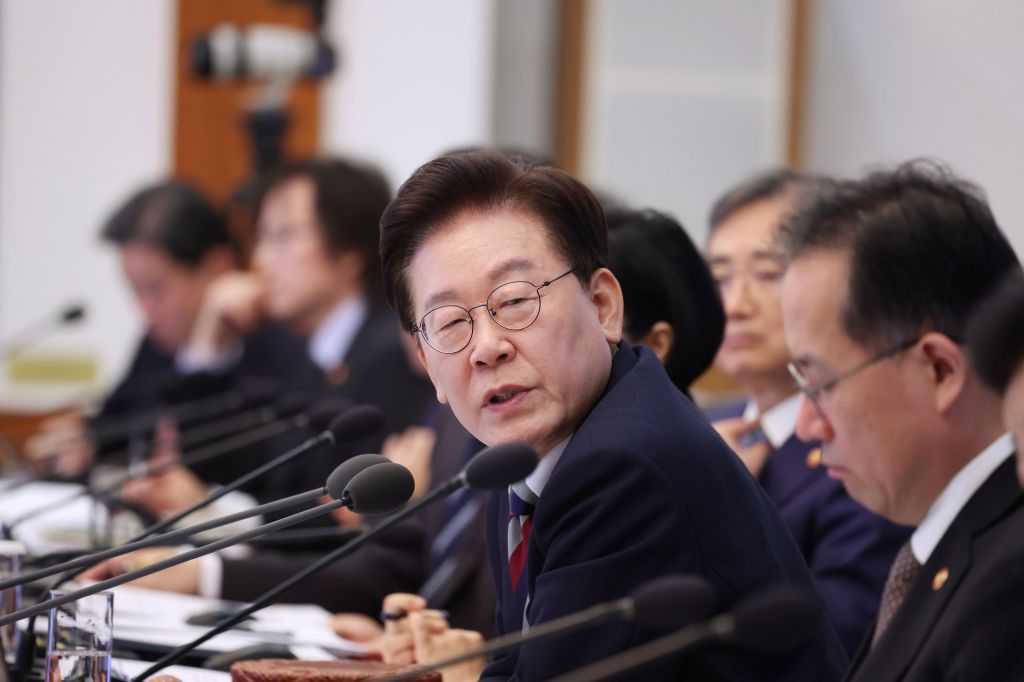
On the 3rd, President Lee Jae Myung highlighted the growing frequency of cyberattacks both within the country and globally, calling for urgent deliberation on creating a robust and efficient cybersecurity “tsar” body capable of unifying fragmented security efforts.
The president voiced these concerns during a Cabinet session at Cheong Wa Dae, further stressing the need for discussions on establishing a cross-sectoral response organization encompassing both government and private entities.
President Lee underscored the necessity of developing a holistic prevention framework to address cybersecurity threats that now deeply affect citizens’ everyday lives, the national economy, and overall security. He insisted that the current security infrastructure must undergo fundamental transformation to proactively counter increasingly advanced hacking attempts. He added that priority should be given to building a system capable of detecting, sharing, and responding to signs of attacks targeting vulnerabilities in advance.
Although President Lee referred to a ‘tsar organization’ to lead information security, this proposal had previously faced criticism from the Democratic Party of Korea. The party opposed an amendment to enforcement regulations that permitted the National Intelligence Service (NIS) to carry out ‘security measurements’ on government and public institutions, arguing that the NIS was attempting to broaden its powers under the guise of cybersecurity.
His comments came after it was disclosed that personal data—including passport numbers of 168 individuals who traveled overseas, such as the president, his spouse, Cheong Wa Dae staff, and security personnel—had been publicly accessible online for five months. According to Cheong Wa Dae, a list of passengers aboard the ‘Republic of Korea Air Force One’ was posted on a subscription-based security website in June. In reaction, an emergency meeting was convened on the morning of the 3rd, led by Chief of Staff Lim Kwang-hyun.



Leave a Reply