
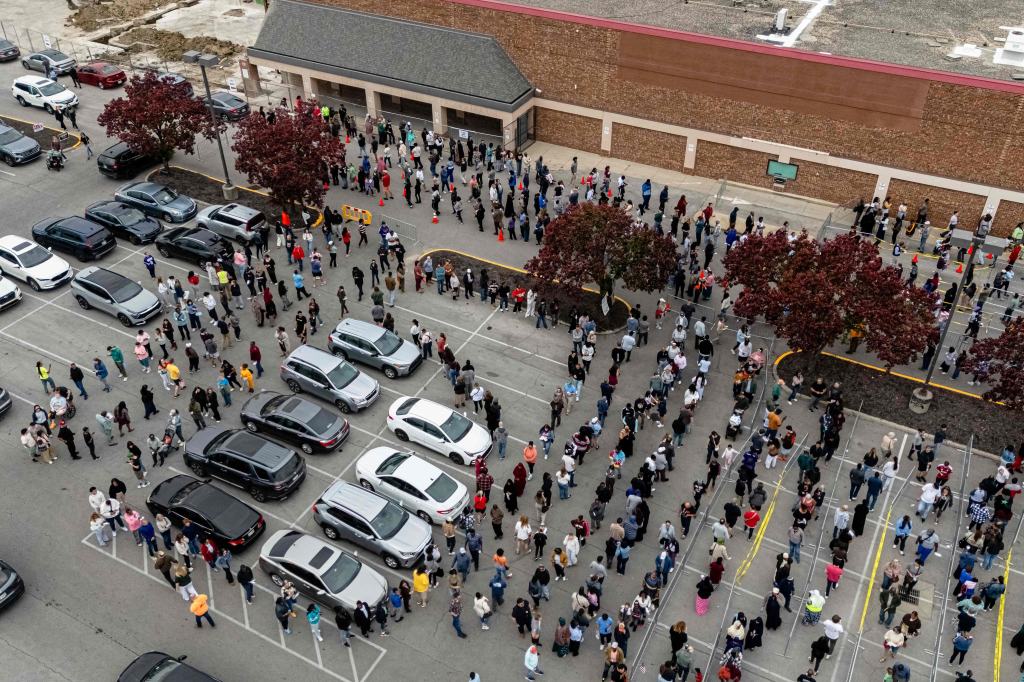
As the U.S. midterm elections approached on November 3 (local time), President Donald Trump announced he would vigorously use his presidential veto power to resist any potential loss of Republican control over Congress. Meanwhile, the Democratic Party cautioned that a return to House majority status would trigger extensive investigations into Secretary of Defense Pete Hegseth. Both sides are ramping up last-minute voter outreach while gearing up for possible conflicts between the legislative and executive branches following the election.
These developments reflect recent polling data suggesting a potential realignment in congressional power. According to an NBC News survey published on November 1, 52% of voters supported Democratic control of Congress, outpacing Republicans’ 45% by seven points. Among independent voters, Democrats held a 21-point advantage. Additionally, 60% of respondents expressed disapproval of Trump’s leadership.
◇Trump: “I Will Veto Democratic Bills”
In a November 1 interview with the New York Post, when asked how he would respond to Democratic dominance in Congress, Trump replied, “I guess I’ll become ‘Mr. Veto.’” He asserted, “I won’t let them ruin the country,” and suggested that repeated vetoes over several months would eventually force Democrats to recognize the futility of their efforts and seek negotiations with him.
Trump intends to obstruct Democratic legislation using aggressive veto tactics. Overriding a presidential veto demands a two-thirds majority in both chambers. During his first term, Trump issued 10 vetoes, and Congress successfully overturned only one.
The White House is reportedly preparing strategies to expand executive authority should Democrats gain control of Congress. As reported by Reuters, Stephen Miller, Deputy Chief of Staff, and Russell Vought, Director of the Office of Management and Budget (OMB), have since April evaluated policies that can be enacted without congressional consent. These include imposing new tariffs on critical minerals and wind turbine imports, tightening regulations on student and temporary work visas, and altering federal grant allocations. The White House legal team is also drafting defenses against Democratic requests for documents and witness appearances.
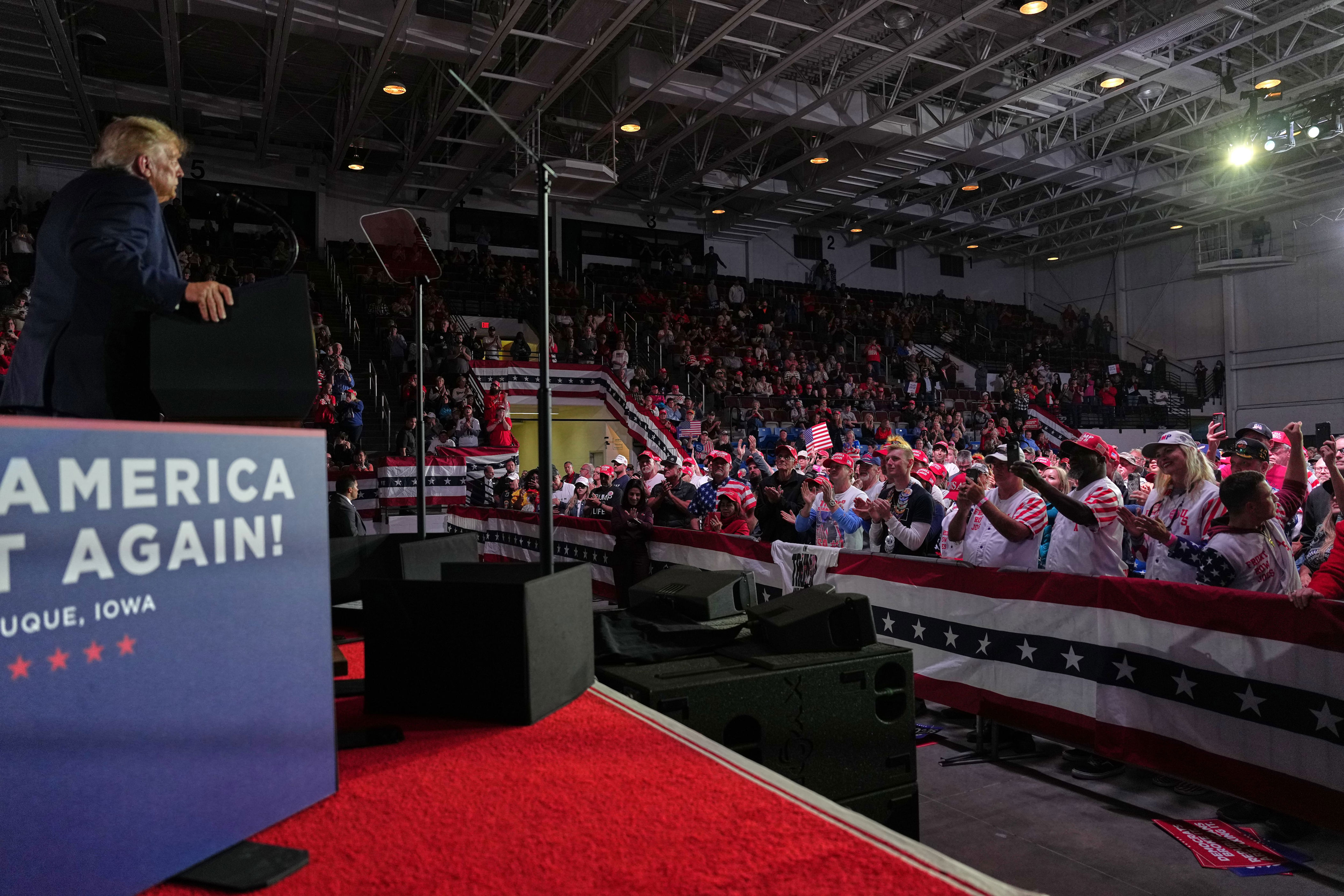
Despite Trump holding 28 campaign rallies nationwide over the past month, the Republican Party is encountering closely contested races even in reliably Republican areas, fueled by rising oil prices due to the ongoing Iran conflict and persistent inflation. On November 1, Trump toured Republican-leaning states Iowa and Kansas, urging voters to support “America First” candidates. He reiterated his promise to deliver $5,000—about 6.71 million Korean won—to each adult if Republicans maintain control of both legislative chambers. House Speaker Mike Johnson, who joined Trump, dismissed negative polls as “fake.”
◇Democrats: “We Will Reverse Trump’s Tariffs and War”
The Democratic Party is set to regain control of Congress and launch probes into the Trump administration. Adam Smith, the senior Democrat on the House Armed Services Committee, indicated that if he assumes chairmanship, his investigations would center on military operations, the political manipulation of the armed forces, and corruption claims involving Defense Department contracts. Major areas of scrutiny would include the Iran conflict launched without congressional consent, strikes against suspected drug-carrying vessels from Central and South America, and allegations that military officials were removed due to their allegiance to Trump or ideological alignment—directly implicating Defense Secretary Pete Hegseth.
Democrats also intend to challenge Trump’s tariff strategies. Hakeem Jeffries, the Democratic House Minority Leader, declared that upon retaking the House, they would repeal Trump’s tariffs and advocate for a vote opposing the Iran war. The party is developing initiatives aimed at lowering expenses related to healthcare, housing, food, and energy. Jeffries highlighted a two-pronged strategy: conducting inquiries into misconduct within the Trump administration while advancing legislation to address widespread public concerns.
Inflation remains a central focus for Democrats. Jeffries blamed Trump’s tariffs and the Iran war for driving up living expenses, particularly during campaign visits in competitive districts. Former President Barack Obama, a long-standing political opponent of Trump, has joined the campaign trail. In Georgia, Obama asserted that this election represents “the last and best opportunity to stop the Trump administration’s reckless actions.” As the election draws closer, Obama has prioritized events in swing states and contributed to creating campaign advertisements designed to boost Democratic voter participation.



Leave a Reply