
November 14, 2026 (KHARTOUM) – Over 32,000 explosive devices and unexploded ordnance (UXO) have been securely recovered and destroyed throughout Sudan, as reported by officials at the National Mine Action Centre.
According to international and U.N. assessments, field data indicate that the scale of unexploded ordnance in Sudan reflects a prolonged crisis spanning multiple decades.
Conflict analysts estimate that between 10% and 30% of shells and rockets launched during intense combat operations did not explode upon impact.
This significant failure rate has left tens of thousands of hazardous munitions buried beneath debris, scattered on rooftops, and lying in urban streets.
Unrestricted reciprocal shelling involving heavy artillery and drones persists, continually exposing civilian areas to fresh dangers.
Sources from the Mine Action Centre highlighted the varied types of unexploded weapons, underscoring the broad range of munitions used in the ongoing conflict.
Heavy artillery rounds and mortar shells are the most frequently encountered UXO threats to civilians in active conflict zones.
The contamination also encompasses cluster munitions, unexploded aerial bombs from air raids, and landmines.
Threats are not limited to large explosives but also include highly dangerous smaller devices, such as hand grenades left scattered within wreckage.
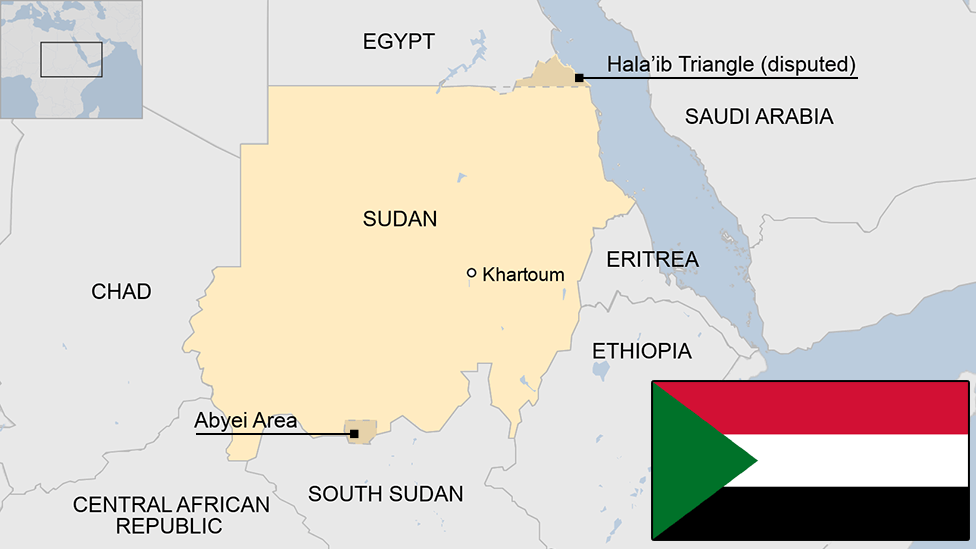
Khartoum state and the regional capitals of Darfur are the most affected by contamination.
Successive tragedies
Authorities and global appeals concerning the ongoing crisis are increasing in urgency.
International organizations emphasize that unexploded ordnance significantly impedes national recovery and reconstruction initiatives.
Wolfram Vetter, head of the European Union Delegation to Sudan, stated that unexploded weapons continue to pose a serious danger.
“Unexploded ordnance still endangers civilians throughout Sudan and obstructs their attempts to restore normal life,” Vetter wrote on the X platform.
He urged for enhanced international cooperation and resources to clear impacted zones.
Nevertheless, UNMAS teams and local volunteers encounter major difficulties due to logistical constraints and security risks.
Persistent conflicts and constantly changing battle lines hinder the deployment of technical personnel and advanced detection tools.
The extensive nature of the pollution demands resources that significantly surpass existing financial support.
Major challenges
Dangerous leakage
Environmental specialists are raising alarms about hazardous chemicals and explosive substances seeping into underground water sources.
Dr. Ali Al-Ajib Ali, a professor specializing in environmental studies, stated that as metal shell casings break down, they release sulfur and lead into farmland soil.
This ongoing contamination damages crops and pollutes drinking water used by both communities and animals.
He cautioned that unexploded ordnance may lead to long-term health issues, including chronic illnesses and chemical toxicity.
Ali emphasized that simply clearing explosives is not enough—contaminated soil and water must also be scientifically remediated.
Human rights and legal scholars consider the broad use of explosive weapons in densely populated zones a blatant breach of international humanitarian law.
They are urging accountability from all sides involved in using indiscriminate weapons in areas populated by civilians.
Human rights groups are pushing for the transfer of military documents and bombing maps to support demining efforts.
Sharing this information is essential to safeguard civilians and aid international organizations working on mine clearance.
Provided by SyndiGate Media Inc.Syndigate.info).






Leave a Reply