
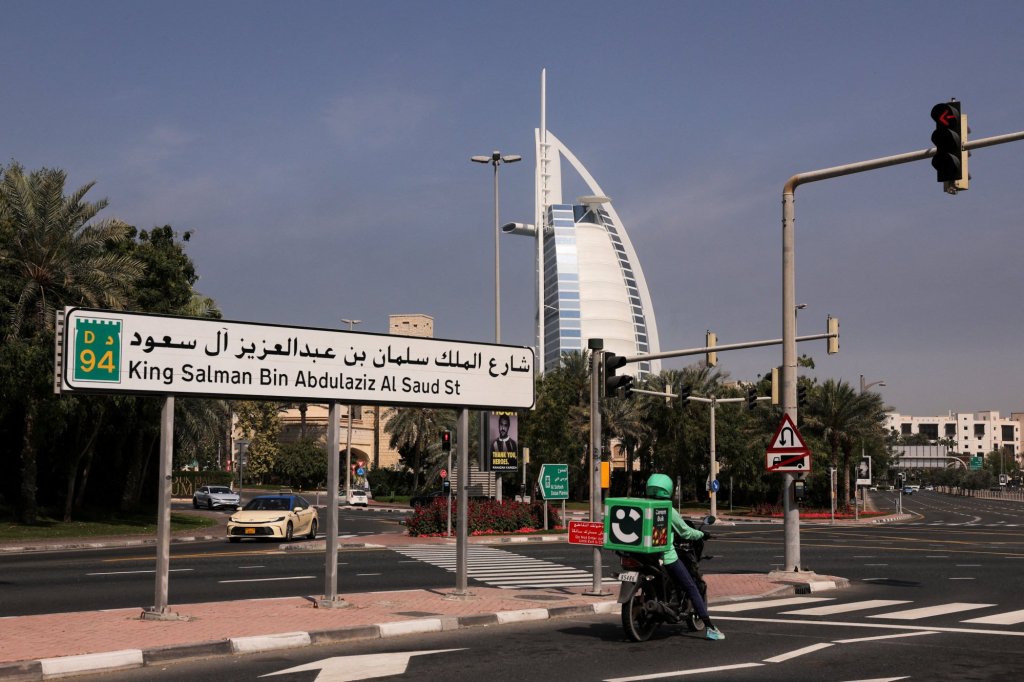
“We hope the Hong Kong authorities will pay more attention to Hongkongers stuck in Dubai, rather than just offering an emergency contact number,” one individual states.
Some residents of Hong Kong who are stuck in the Middle East during a joint US-Israeli strike on Iran have requested more assistance from the Chinese embassy and the Hong Kong administration, while others are looking into traveling by land to another city in order to return home.
As of Monday, immigration officials reported that a minimum of 432 people remained trapped in the area.
On social media, some locals mentioned they were unable to reach the Chinese embassy in Dubai, UAE, via phone and had to submit their information to Hong Kong’s Immigration Department instead. They indicated they are thinking about driving to the embassy to provide additional details.
Are you curious about the most significant issues and developments from across the globe? Find the solutions withSCMP Knowledge, our latest platform offering handpicked content including explainers, FAQs, analyses, and infographics, presented by our acclaimed team.
“We hope the Hong Kong government pays more attention to Hongkongers stuck in Dubai, rather than just offering an emergency contact number without additional support,” a Threads user mentioned.
We feel completely powerless, spending each day in the hotel awaiting news … we long to return home.
The user mentioned she was informed that UAE officials would cover the costs of food and lodging for stranded travelers and expressed hope that the Hong Kong government could assist in explaining the circumstances.
She shared a letter from the Abu Dhabi Department of Culture and Tourism dated February 28, requesting hotel managers to allow guests who were stuck to remain longer until they could depart. The department promised to pay for the extended stay.
“We were instructed to cover the costs ourselves by the hotel staff … it would be preferable if the Hong Kong government could get in touch with the UAE government to verify the process for reclaiming our expenses,” the user wrote.
In a statement released on Monday, the Immigration Department mentioned that it has reached out to various organizations and agencies, including Chinese embassies in the Middle East and the Commissioner’s Office of China’s Foreign Ministry in Hong Kong, to stay updated on recent changes. It pledged to keep monitoring the situation and implement any necessary subsequent measures.
“The Immigration Department will remain in contact with Hong Kong residents who have inquiries and offer suitable guidance and practical support concerning their travel plans and flight details,” the statement mentioned.
Lawyer Martin Yeung Wan-fung, who is also stuck in Dubai following the cancellation of his Emirates flight to Hong Kong on Sunday, mentioned that he and a number of other passengers are thinking about heading to Riyadh in Saudi Arabia or Muscat in Oman via road—though this journey would take several hours—but this idea is currently on hold.
“My worry is that the air defense systems in these cities might not be as robust as Dubai’s, and what if there are no flights back home once we arrive? There are also risks involved,” Yeung said.
The strategy is to wait a few more days to assess the situation in the war … if the air space opens up, we will return home.
Several countries in the Middle East, including Iran, Iraq, Syria, Kuwait, Qatar, and the UAE, have implemented partial airspace restrictions, leading to travelers being stuck globally as airlines reroute flights to bypass the region.
On Threads, a user inquired if any Hongkongers who are stranded would be interested in taking a bus from Abu Dhabi to Muscat.
A different user, who mentioned he wouldn’t be able to depart Dubai until March 9, shared a video showing the interior of a local supermarket, expressing astonishment at the well-stocked shelves and calm customers.
“The shelves were stocked with water, milk, bread, rice, everything… an auntie smiled and said, ‘Don’t worry, everything is fine,’” the user wrote.
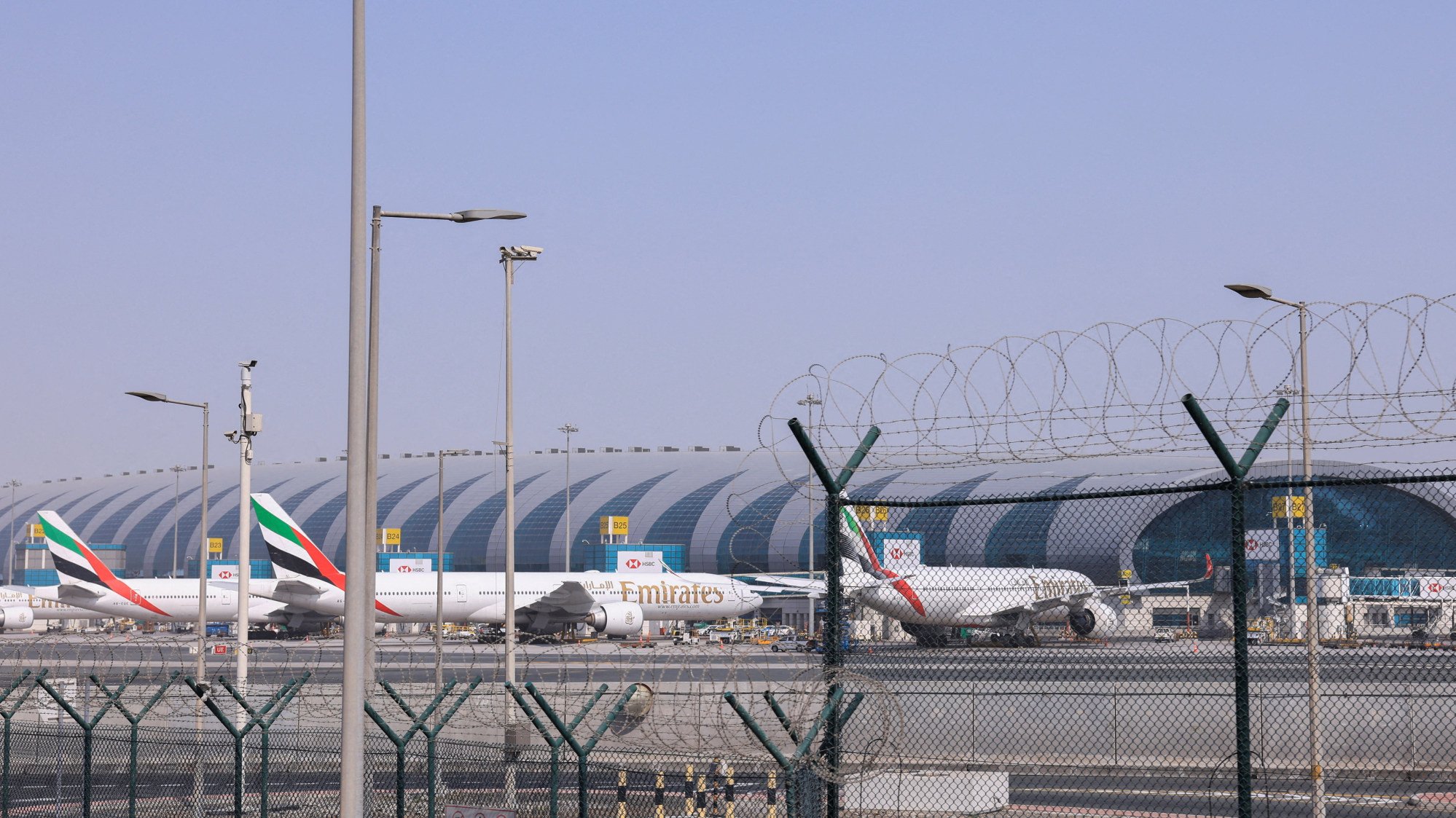
A third user from Abu Dhabi mentioned he was thinking about changing hotels because his current accommodation was near the ocean and the airport, which he worried could be “missile targets.”
Lawyer Yeung, who arrived in Dubai last Friday, mentioned that he now feels more secure when stepping out and purchased some clothing from a nearby mall in the morning.
He additionally mentioned that the shelves in a supermarket close to his hotel were well-stocked.
“Their expressions appeared more at ease today, with everyone feeling more secure… many were still stunned yesterday morning,” Yeung said.
He mentioned that he got a call from the Hong Kong Economic and Trade Office on Monday night (Hong Kong time), informing him to submit his information to the Immigration Department for the most recent updates.
He was also required to cover the additional hotel expenses due to his extended stay.
“The ideal situation would be for the Chinese embassy to help us return to Hong Kong, although residents from Hong Kong in Iran should naturally come first,” Yeung stated.
More Articles from SCMP
Investors focus on NPC as markets look for policy support amid concerns over AI developments
This piece was first published in the South China Morning Post (www.scmp.com), a top news outlet covering China and Asia.
Copyright (c) 2026. South China Morning Post Publishers Ltd. All rights reserved.



 jasdooit
Leave a comment