
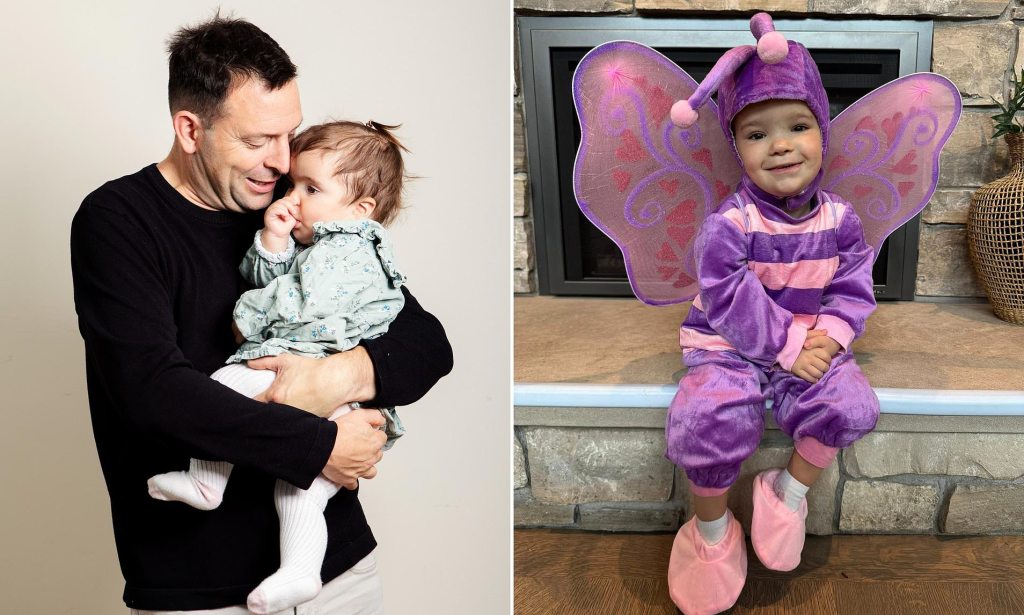
The day we learned that our 15-month-old child was among only 200 people worldwide with a genetic brain disorder will remain forever imprinted in my memory.
For many months, I had convinced myself that everything would turn out fine.
I was aware that Frankie wasn’t growing as expected – by that time, like her four older brothers and sisters, she should have been crawling, or at least saying a few words, but she wasn’t.
I attributed all her issues to the challenges of having had meningitis as an infant – I was aware from my medical education that the infection might lead to developmental lags. However, I had convinced myself that she would soon catch up and that everyone had been overly concerned.
Even if the experts subtly indicated there could be something else happening, I ignored it – influenced by hope, or anxiety? I still don’t know.
When the diagnosis arrived on July 7, 2025, it struck like an explosion: Frankie suffers from DeSanto-Shinawi syndrome (DESSH).
Our advisor was outstanding, patiently and empathetically clarifying the implications, guiding us on where to seek assistance, the treatments—like physical therapy and speech and language therapy—that could aid Frankie’s growth—and the global parent communities that would relate to our experience.
She described the genetic aspect. Each of us has two copies of the WAC gene, which produces the WAC protein essential for early brain development. In Frankie’s case, a single letter in her DNA had undergone a change—a random error that resulted in her having only one functional copy.
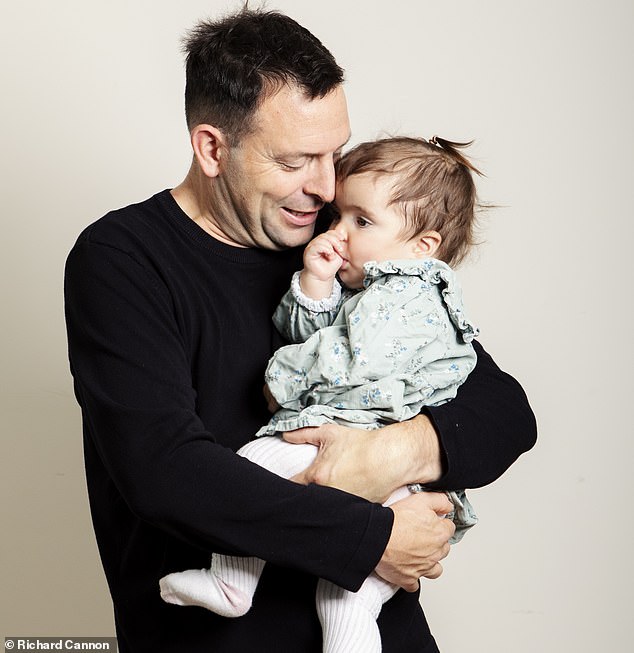
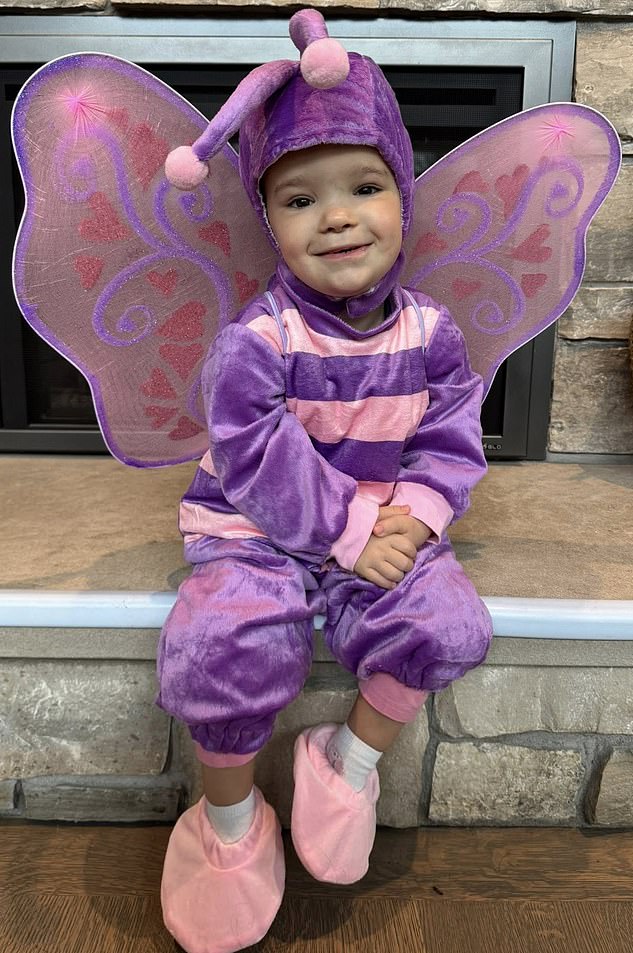
A reduced level of protein with long-term consequences: intellectual disabilities, challenges in walking, speaking, and eating, improper bowel function, and a significant risk of seizures and behavioral issues as she ages. These conditions require continuous support throughout her life.
In terms of medical treatment, however, there was nothing available. The gene is identified, but there is currently no gene therapy and no indication that one will be developed in the near future.
Introducing corrective genes into the developing brain is extremely complicated, and beyond the capabilities of current technology. For a condition as uncommon as hers, it is also not economically viable for pharmaceutical companies to pursue gene therapies, since so few children would benefit.
When a child is sick, receiving a diagnosis can bring comfort, marking the beginning of their recovery journey. Throughout my career in emergency medicine, I have learned how to care for my patients – although not every case ends in success, there is clarity on the steps that must be taken.
However, with Frankie, my daughter and the most cherished patient I have ever been entrusted with, I had no idea what to do. I was caught in a waiting period, unsure of what would happen to her while I was unable to intervene.
At home, we gave everything we could. We filled Frankie’s life with more love, organization, and encouragement than I ever believed possible, aided by her remarkable medical team and her exceptionally talented nursery staff.
We acknowledged minor achievements, such as when she learned to blow a kiss, and we modified our expectations. However, as a physician, I found it difficult to come to terms with the fact that therapy and affection were the sole resources available for her.
I read every available information about the WAC protein. I progressed from having no knowledge about it to being able to memorize the important research papers.
I researched zebrafish and genetically altered mice to investigate the effects of turning off particular genes – to determine which brain systems were impacted, and which could possibly be modified or addressed through medication.
I also engaged with the DeSanto-Shinawi community, including The DESSH Foundation, a support network established by Caitlin Piccirillo, whose child suffers from DESSH. This group hosts an annual research clinic led by Professor Marwan Shinawi, who initially recognized the condition in 2015. The clinic evaluates children affected by the disorder and collects data along with biological samples, like blood and skin biopsies, to enhance understanding of the condition and aid future research.
The more I read, the more I understood that the biology was not as enigmatic as I had believed.
Genetic disorders primarily result from issues in the messages that genes transmit to cells, which impacts the creation of particular proteins, like the WAC protein in Frankie’s situation. Although these are uncommon conditions—each one affects only a small number of children and adults—they collectively impact hundreds of thousands of people in the UK alone.
After that, I encountered the work of Matthew Might, whose initiatives are undoubtedly set to transform numerous lives.
Fourteen years prior to my family’s unexpected diagnosis, Matthew had endured a similar discussion regarding another extremely rare illness.
His son Bertrand, who was five at the time, had shown different development. There were years of appointments and unclear tests before whole-gene sequencing—where all of your genetic code is analyzed—ultimately discovered a mutation in a gene known as NGLY1, which creates a protein that plays a role in the cell’s waste management system, assisting in removing damaged proteins.
At that time, only a very small number of children across the globe were identified to have comparable alterations.
At that time, there was no specific diagnosis, no clinic, no research direction, and no interest from pharmaceutical companies. Only a genetic report and a lengthy list of uncertainties.
Matthew was not a physician. He was a computer scientist employed at the University of Alabama in the United States, an authority in machine learning and artificial intelligence well before AI became recognized by those beyond research institutions and advanced technology firms.
Rather than considering the discovery of a mutation as the conclusion, he viewed it as the starting point.
He started reviewing the information—scanning through databases, studying genetic pathways, and connecting online to locate other families with children who had comparable mutations.
Gradually, with great effort, individual cases were linked together and what had been disjointed irregularities started to take shape into a discernible disorder: NGLY1 deficiency.
Similar to DESSH, it is extremely rare, believed to impact only one in five million individuals.
He realized that it would be impossible to gather thousands of patients for research and testing.
Therefore, he applied his expertise to examine millions of data points regarding medicines that are currently used safely for other ailments, in order to find those that impact the biological systems associated with a genetic disorder.
In other words, this does not involve creating a completely new medication, which can take many years, but rather figuring out if already approved drugs might subtly correct these imbalanced systems and provide relief for rare diseases.
And artificial intelligence is essential – examining all the information available in the world and consolidating it.
This implies the question might shift from “can we repair the gene?”—which is typically unfeasible—to “can we alter the biological pathway by utilizing AI-identified drugs that have been repurposed—meaning a unique, unforeseen medication for each of the thousands of rare genetic disorders?”
This approach now forms the basis of the National Institutes of Health Biomedical Data Translator in the United States – an AI tool, where Matthew has played a significant role, available at no cost to researchers.
Matthew utilized his AI modeling to assist in discovering medications for his son, which enhanced his quality of life and enabled him to live much longer than medical professionals had anticipated.
Unfortunately, there was no miraculous solution. In 2020, Bertrand passed away due to issues related to his illness. However, his father has demonstrated that AI’s ability to create new possible treatments can be revolutionary and, most importantly, provides hope for parents like me.
It is, for once, positive news regarding the strength and possibilities of AI.
This approach’s capacity to address rare genetic disorders is so innovative and recent that many of us in the medical field (including myself) failed to recognize the importance of what was unfolding before our eyes – or the immense possibilities it could bring to children such as my daughter.
Fortunately, not everyone was as unaware as I was.
Laura Lambert, who holds a doctorate in genetics, genomics, and bioinformatics, once collaborated with Matthew at the University of Alabama, specializing in proteins associated with rare genetic mutations.
A few years ago, when she relocated to the Mayo Clinic in Rochester, Minnesota, she collaborated with Dr. Whitney Thompson, an expert in both genetics and neonatology. Together, they started investigating if the Translator concept could transition from theory to practical use—essentially employing AI analysis to create viable drug options for a particular child.
A young girl named Jorie, who was born a few months prior to Frankie, was their initial patient.
In the end, she was also diagnosed with DESSH. Her parents had the same discussion I did, including the detailed explanation of the gene and the fact that there was no confirmed treatment, aside from therapy and assistance.
However, during that discussion, her parents were informed about this innovative computational method, and that the group at the Mayo Clinic had discovered approved medications that could enhance the level of WAC protein produced by Jorie’s body.
One of the medications was commonly employed in paediatric neurology for managing epilepsy, featuring a favorable safety record in children.
Prior to administering any treatment, the team collected a blood sample and skin biopsies from Jorie.
When the medication was introduced to her cells in the lab, WAC protein levels rose, nearing the levels observed in cells that lacked the mutation.
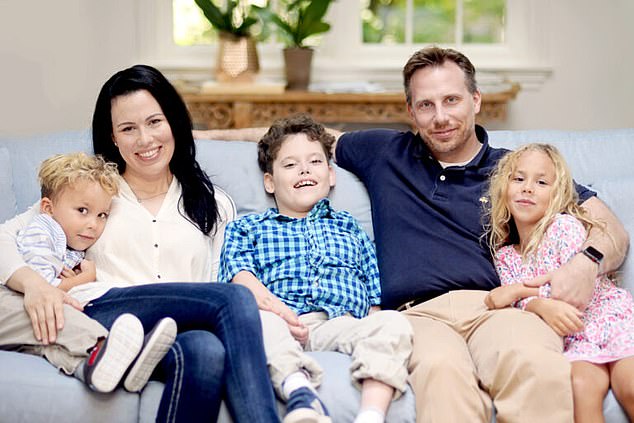
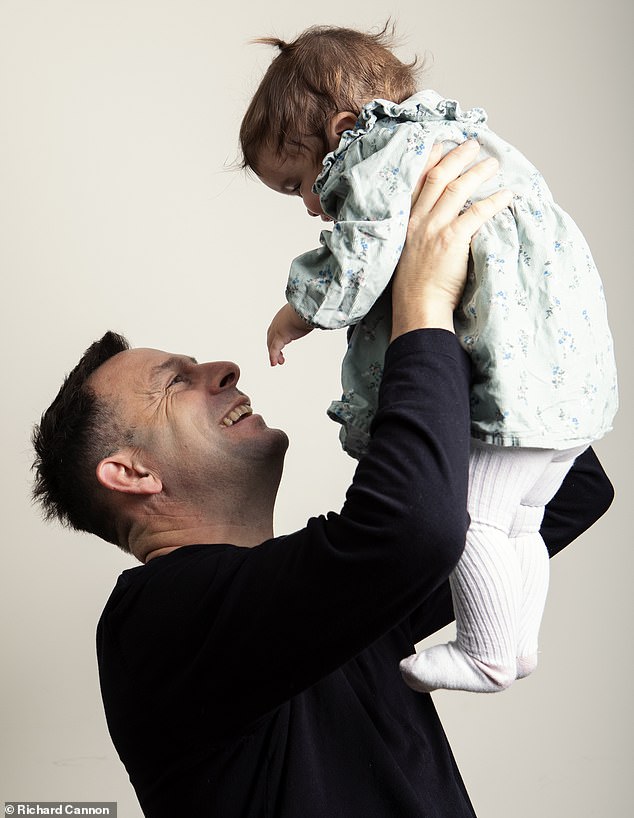
Following a detailed conversation with her parents, weighing the risks against the lack of other medical options, her team began administering the medication to Jorie just prior to her second birthday.
Jorie’s mother later explained what happened as though ‘her lights had been turned on’.
Jorie started achieving milestones she had previously overlooked, like her speech and comprehension, progressing at a pace that was impossible to overlook.
It wasn’t sorcery and it wasn’t guaranteed. Naturally, the advantages Jorie was experiencing might have been a coincidence. They could have simply shown her usual pattern of growth.
Certainly, the impact of DESSH on a child varies greatly: some develop consistently, some reach a standstill, some experience a decline.
And the experience of a single patient does not constitute evidence. It is an indicator.
Jorie’s mother was employed by an American news network, and she created a YouTube video detailing her daughter’s experience. The video was circulated within the DESSH WhatsApp groups that Caitlin had set up.
I saw it late one night, roughly two weeks following Frankie’s diagnosis, and as I watched, it became clear. This wasn’t merely an optimistic story, but rather groundbreaking research.
If it were established that the improvement was genuine—that it resulted from the drug rather than chance—this would not only alter the treatment of one condition, but the model could be utilized for thousands of rare genetic disorders.
My sorrow started to transform into something different – a resolve to assist.
Seven months prior, I had the privilege of meeting Laura, Whitney, and the other scientists engaged in this research. As I conversed with them, it became evident that the possibilities are immense.
These studies are relatively low-cost, since the medications are already available and their safety records are established. There’s no need to create a new compound or conduct long-term toxicity tests. However, financial support is essential. Still, there is little business motivation to invest in redeveloped drugs.
Pharmaceutical companies are unable to generate profits from medications that have lost their patent protection, especially when each condition impacts only a few hundred children across the globe.
Therefore, the trials will not take place. And with no financial support, children such as my daughter will miss out on the possible treatment options that these AI technologies are developing.
That is why, following Frankie’s diagnosis, Rare People – The Research Charity came into existence.
In addition to assisting in its establishment, I am one of the trustees, and our objective is straightforward: to gather financial support for high-impact, well-structured clinical trials involving drugs that have been repurposed and identified through AI, aiming to treat rare genetic neurodevelopmental disorders.
The primary financial focus is to fund a study involving children (and eventually adults) suffering from DESSH.
A research project has received approval at the Mayo Clinic, and we are currently navigating the procedures to allow children from other regions (such as the UK) to participate. Frankie cannot be administered the same medication that Jorie received, as one child’s outcome does not confirm the effectiveness of a treatment. A structured clinical trial is essential to determine the appropriate dosage, monitor safety, and verify that any positive effects are genuine rather than coincidental.
Last week, National Rare Disease Day, hosted by the Genetic Alliance UK (Rare People has recently joined), once more brought attention to the fact that individuals with rare conditions are frequently overlooked.
Not that people lack concern, but the healthcare system is not designed for small-scale cases.
A group called Rare People was established to bridge this gap by supporting rigorous, top-tier research in this area for various rare diseases.
The founders and board members are currently covering the charity’s main operational expenses individually, ensuring that money collected from the public is used directly for research support.
Choices regarding which initiatives to support are determined by our Medical and Parental Advisory Committee, composed of medical professionals, researchers, and parents of children affected by uncommon disorders.
I have dedicated my whole career to assisting others, but for the first time in my life, I am seeking assistance. Not only for Frankie, but for hundreds of thousands of children, to provide them with more than just therapy and hope.
If you think that children with rare conditions should receive the same level of scientific effort as those with more common illnesses, please stand with us.
Frankie is an ideal, amazing, affectionate, and cheerful young girl. I would not trade her for anything. However, I wish for her to experience the same aspirations, the same chances, and the same ability to envision her future as my other children will as they mature.
- @drrobgalloway
- To donate go to rarepeople.org


 jasdooit
Leave a comment