
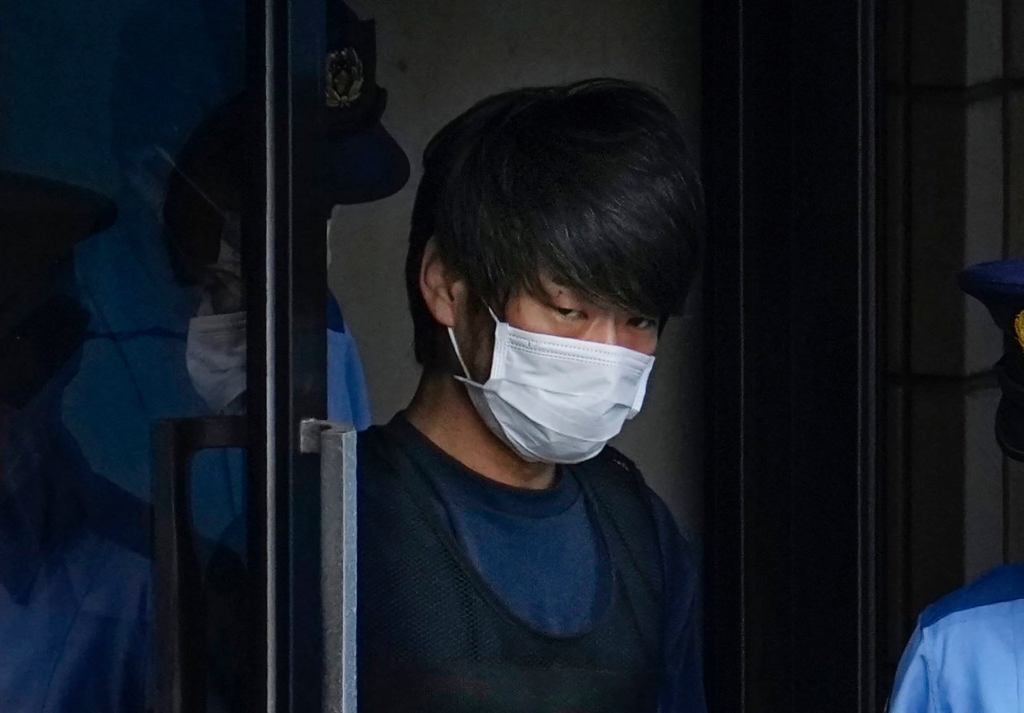
Critics have labeled the group as a ‘profit-driven enterprise,’ with numerous individuals losing substantial amounts of money through its ‘spiritual offerings’
Representatives of the Unification Church, the controversial South KoreaA religious organization that was established with a foundation and became a political controversy in Japan following the 2022 killing of former prime minister Shinzo Abe, is scheduled to go back to court on Wednesday as judges decide whether to revoke its legal recognition.
The Tokyo High Court is anticipated to support a lower court’s decision to dissolve the organization, officially named the Family Federation for World Peace and Unification, in a case that may establish an unusual example for dissolving a significant religious group in Japan.
If the decision remains in effect, legal specialists expect the group to quickly seek a review by the Supreme Court, although they note that this action may not necessarily stop the process of liquidation.
Are you curious about the most significant issues and developments from across the globe? Find the solutions withSCMP Knowledge, our latest platform offering carefully selected content including explainers, FAQs, analyses, and infographics, presented by our acclaimed team.
The group would no longer be recognized as a religious organization, lose tax benefits, and undergo court-controlled dissolution, even if an additional appeal is still being considered.
The incident originated from disclosures followingAbeThe killing involved the group pressuring followers to contribute significant donations, including the gunman’s assertion that his mother had spent the family’s savings. The gunman recently submitted an appeal against his life sentence.
Following the shooting, the group came under heavy examination for what critics termed “spiritual marketing” – the collection of donations and the sale of low-cost items at inflated prices by leveraging religious convictions.
The government sought a dissolution order in 2023, which the Tokyo District Court approved in March 2025, noting that the improper collection of donations by members “resulted in extraordinary harm on a massive scale.”
The court acknowledged financial harm affecting 1,559 individuals, with total losses exceeding 20 billion yen (US$127.4 million).
“Even if the group decides to appeal—and we should keep in mind that the reasons for an appeal are extremely restricted—this will not halt the start of the liquidation process,” stated Takashi Yamaguchi, a member of the National Network of Lawyers Against Spiritual Sales and also part of the Japan Society for Cult Prevention and Recovery’s board.
The process of liquidation would be highly complex, with talks probably already underway, Yamaguchi mentioned in an interview.
Over the past few months, the organization has aimed to draw attention to its initiatives in providing redress to those affected and improving its financial collection methods.
In December, Tomihiro Tanaka, the leader of the group in Japan, stated he was stepping down following an “apology filled with regret” directed at everyone impacted by their actions.
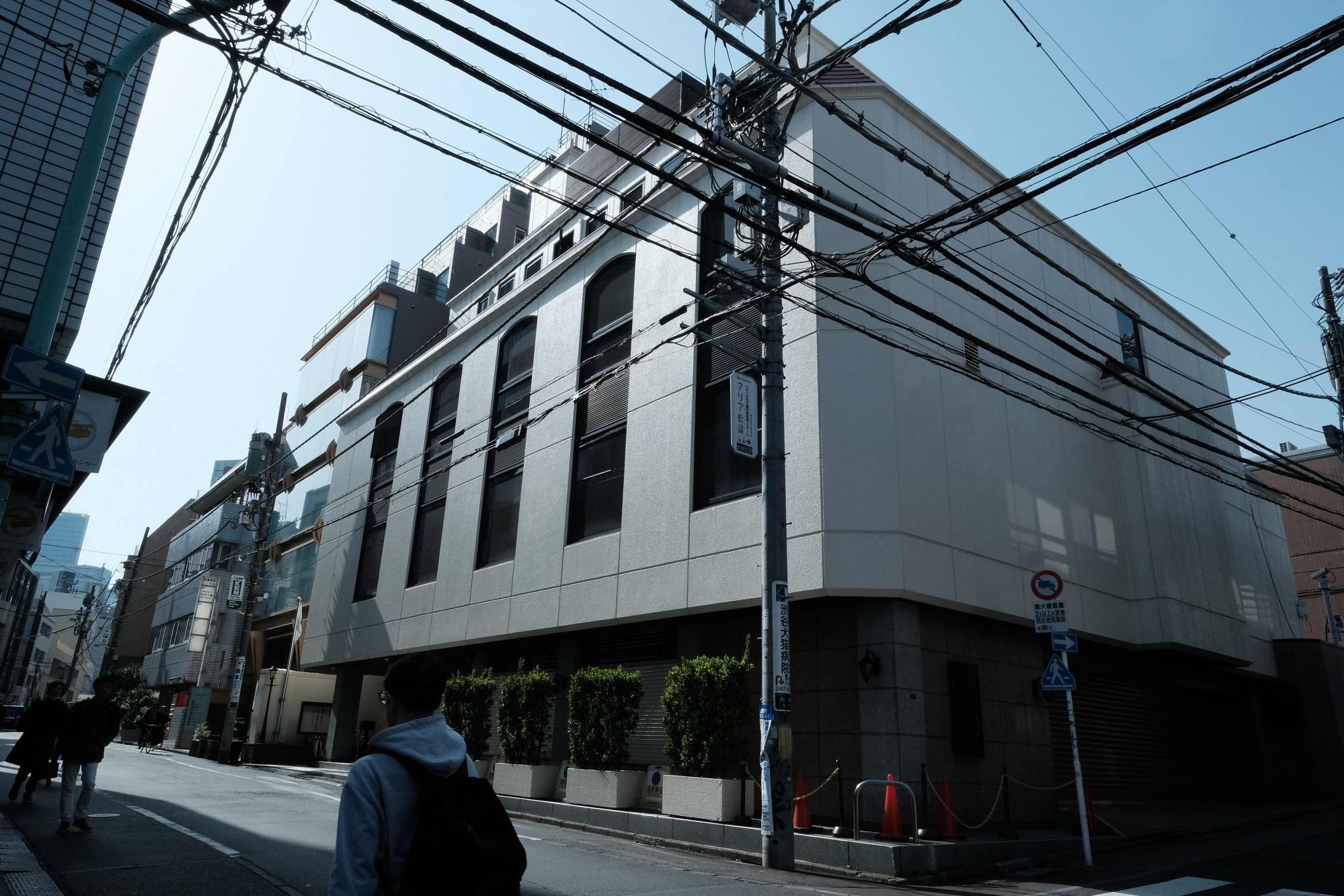
“Our activities have caused deep distress to some individuals,” he said at a press conference at the group’s headquarters in Tokyo, although he emphasised that it had “never committed a single crime”.
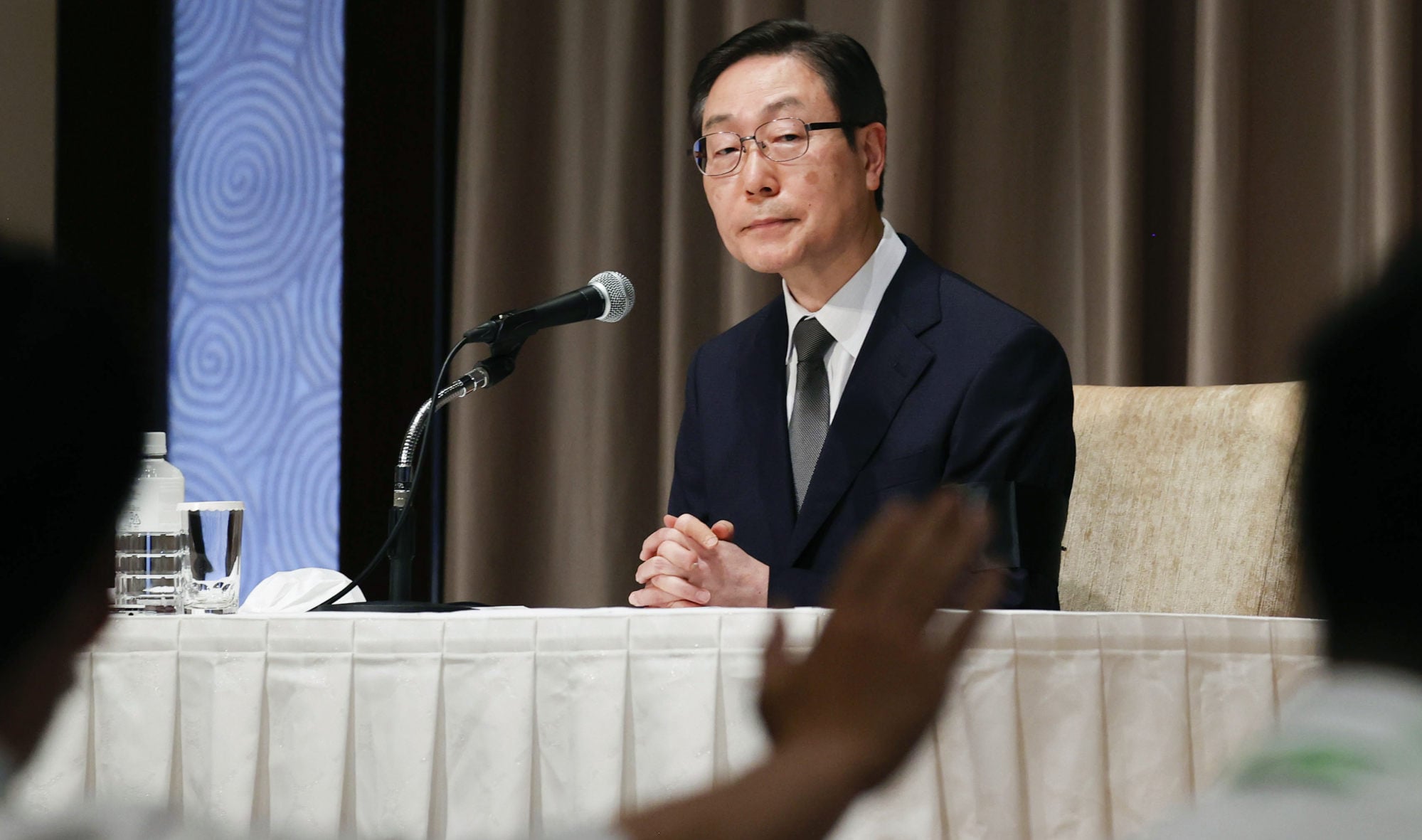
The group formed a committee to review compensation requests two months prior and was striving for a solution, Tanaka stated at the time. He showed assurance that the courts would acknowledge these efforts and overturn the dissolution order.
Recently, the group stated that it has agreed to compensate 10 out of the 316 individuals who filed claims and has repaid 30 million yen to five people.
In a statement issued in November of the previous year, the group referred to attempts to shut down its activities as “an unacceptable instance of religious persecution.” It mentioned that its members were being treated unjustly, as if they were “second-class citizens,” and noted that their human rights had been breached.
Demanding that the appeal hearing be grounded in “evidence and facts, rather than public opinion or bias,” the group’s statement further noted: “A country that mindlessly supports the judiciary when the current government chooses to ‘target’ a religious group for political motives, and that mandates the dissolution of religious organizations without regard to ‘judicial fairness’ and the concept of evidence-based proceedings, has no future.”
Ordinary JapaneseMost people seem to strongly support the group’s disbandment, which states it has approximately 600,000 followers in the nation.
“The core issue is not religion, but the ongoing worries regarding the harm resulting from significant contributions and the legal compliance of the organization’s activities,” one post stated on an online news platform.
Another internet user stated: “Failing to issue a dissolution order is equivalent to Japanese society approving of it. The Unification Church has remained untouched due to its strong connections with politicians. I hope Japan’s judicial system isn’t as corrupt as the political one.”
Toshimitsu Shigemura, a faculty member at Waseda University in Tokyo, mentioned that disclosures regarding the group’s activities and attempts to sway politicians, along with past Liberal Democratic Party administrations, have sparked outrage among the Japanese population.
The group is aiming to postpone legal actions for the longest time feasible and is committed to maintaining its classification as a religious entity in order to benefit from tax relief, as stated by Shigemura.
“But its stance on religious freedom is weak considering its actions, and I believe most Japanese now view the Unification Church not as a spiritual group but as a money-driven enterprise,” he said.
It has faced difficulties before, but I don’t foresee any situation where it escapes a dissolution order this time. It will be defeated in court.
More Articles from SCMP
LIV Golf Hong Kong: ballet, snacks, Bryson, but no Phil: 5 key points to be aware of this week
Trump’s strike on Iran, EU ‘lagging behind’, China-India ties: 7 key international relations stories
Trump’s 2026 trade plan intensifies efforts to establish controlled U.S.-China relations
Nipah and mpox highlight Asia’s critical requirement for enhanced disease monitoring systems
This piece was first published in the South China Morning Post (www.scmp.com), a top news outlet covering China and Asia.
Copyright (c) 2026. South China Morning Post Publishers Ltd. All rights reserved.


 jasdooit
Leave a comment