
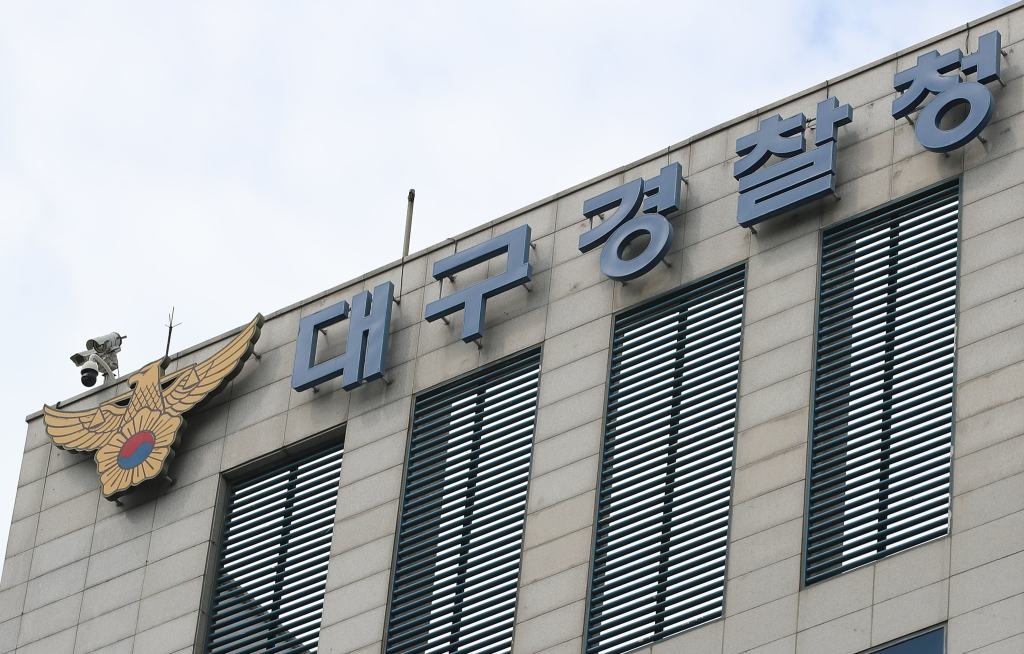
A group of twenty individuals from a criminal organization, who posed as delivery staff, the Financial Supervisory Service, and other authorities to defraud people out of more than 10 billion Korean won through phone scams, have been taken into custody by the police.
The Daegu Metropolitan Police Department reported on the 31st that they have filed charges against 20 members of a criminal group related to breaches of the Special Act for Preventing Harm from Telecommunications Fraud and the Recovery of Lost Funds, and have placed 10 people, including Mr. A, a man in his 30s, under detention.
Mr. A and others are accused of running a call center in Qingdao and Yantai, China, for a period of one year, from July 2024 to July of the next year, and defrauding 13 billion South Korean won from 81 victims.
The group Mr. A belonged to segmented its consultants into four areas—card delivery staff, card company accident prevention units, the Financial Supervisory Service, and the Prosecutor’s Office—and methodically misled the victims. For instance, they initially sent a text message to selected victims saying, “Your card has been delivered,” then a consultant posing as a card delivery representative would claim, “If you didn’t request this card, your identity might have been compromised. We recommend you contact the card company right away,” and then provide a phone number.
When individuals in need contact the given number, a second advisor, pretending to be part of a card company’s accident prevention team, responds. This advisor assists them by stating, “We will check if your identity was compromised via remote access, so please download an application and then reach out to the Financial Supervisory Service.”
However, if victims download the harmful application, even if they call the Financial Supervisory Service’s number, the call will be directed to the criminal group. A police representative said, “Once the harmful app is installed, all calls can be monitored by the criminal organization.”
Later, a third consultant pretending to be from the Financial Supervisory Service tells them, “Your identity has been stolen,” and presents an investigating prosecutor. A fourth consultant who is acting as a prosecutor applies pressure to the victim, saying, “Your account has been involved in a voice phishing scam, so you need to cooperate with the investigation.” If there are funds in the victim’s account, they ask for a withdrawal, claiming, “We need to check if this money is from illegal activities or is legitimate.” If there are no funds, they ask the victim to take out a loan and transfer the money. They insist on verifying whether the person can normally obtain a loan and if there are any credit problems.
To avoid police scrutiny, Mr. A’s group implemented rigorous guidelines for its members. These consist of leaving personal mobile devices at the dormitory while traveling to work, forbidding individual excursions after reaching the office, and prohibiting private discussions or the use of actual names among consultants.
A law enforcement representative stated, “We have issued Interpol Red Notices for three people, including a Korean-Chinese leader who is overseas, and we are continuing to track down the others who have fled.” They advised, “Government agencies like the police, the Prosecutors’ Office, and the Financial Supervisory Service will never ask for money transfers or cash deliveries under any situation. Avoid clicking on unknown online links.”



 jasdooit
Leave a comment