
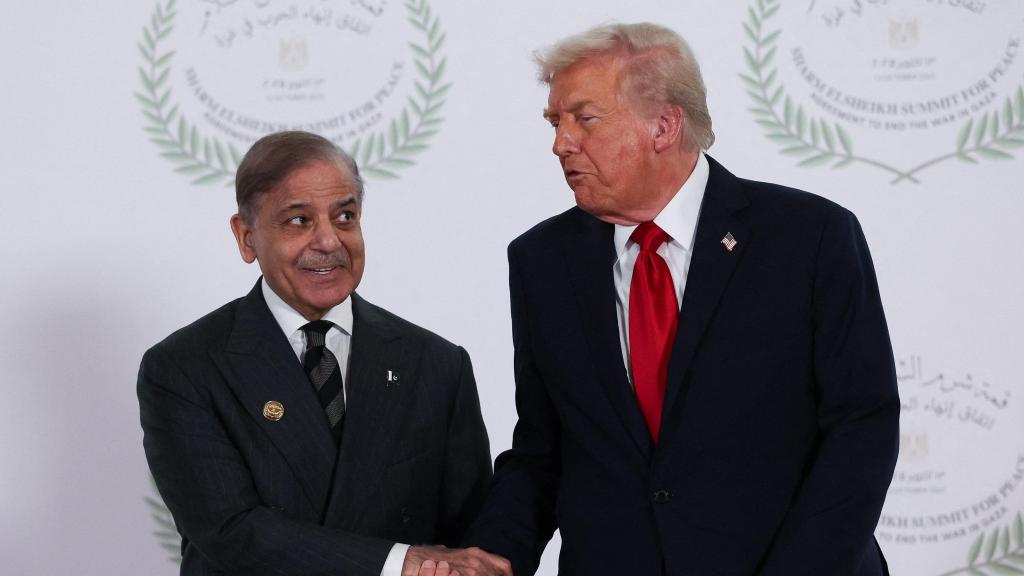
The involvement of Pakistan as a mediator in this dispute came as a shock to many.
But perhaps it shouldn’t.
The head of its military, Field Marshal Asim Munir, is favored by US President Donald Trump. The American leader often calls him his “favorite” Field Marshal and has previously mentioned that Munir understands Iran “better than most.”
Iran is not only Pakistan’s neighbor, sharing a border of approximately 900 km (559 miles), but also describes itself as having a “brotherly” relationship with deep cultural and religious connections.
It also lacks any US air bases.
And unlike most of the typical middlemen in the Gulf, it has not yet become involved in the conflict.
Essentially, it is prepared to get involved – a peaceful relationship between the US and Iran, according to many perspectives, would be beneficial for it.
Nevertheless, there have been inquiries regarding how a nation involved in conflict with two of its neighbors—Afghanistan and India—has managed to present itself as a promoter of peace.
The nation is currently conducting airstrikes in Afghanistan, and rising tensions with India sparked concerns about nuclear conflict just last year.
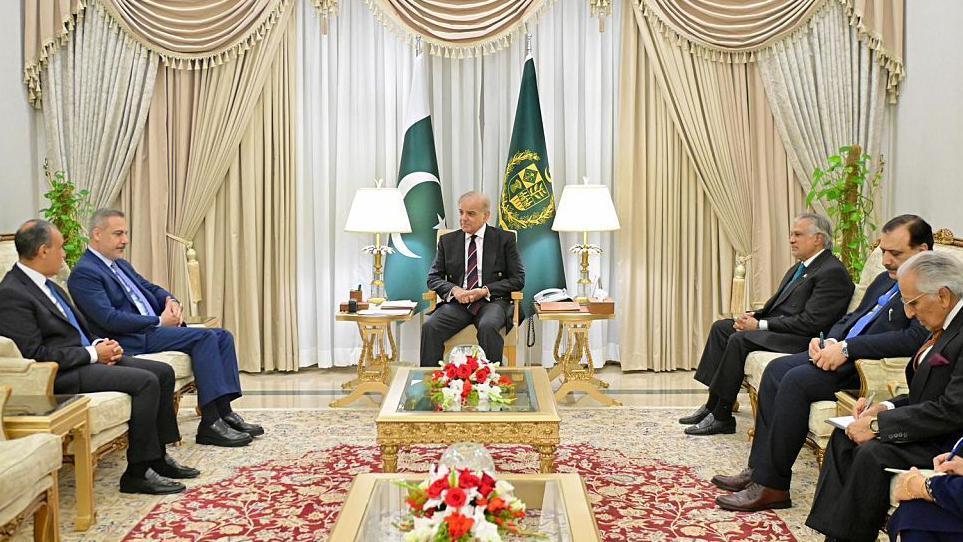
Pakistan has remained balanced between Iran and the United States, acting as a messenger between the two parties, hosting foreign ministers from other Muslim countries involved, and frequently engaging in diplomatic calls.
However, the delicate balance is not without danger.
Much to lose
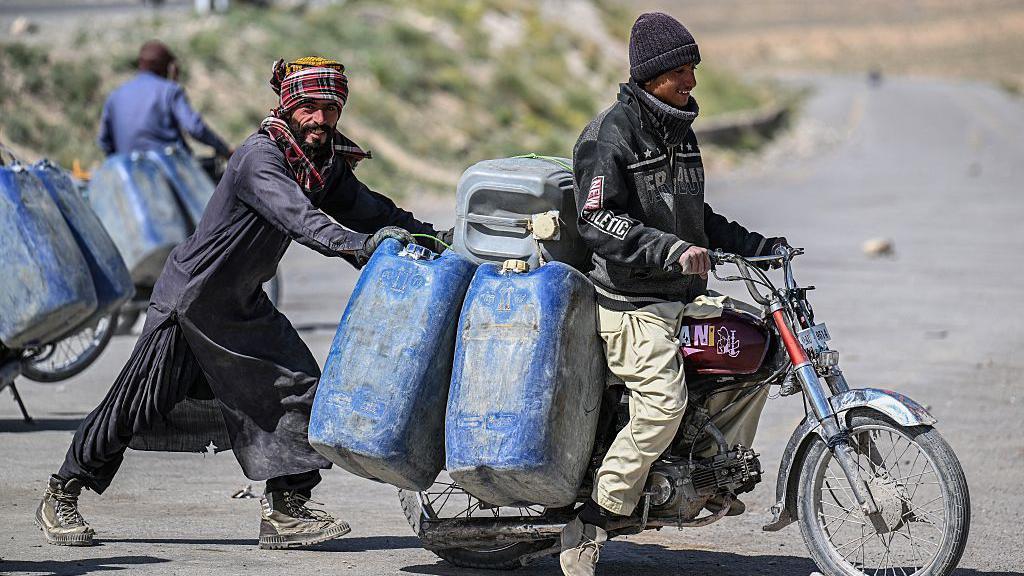
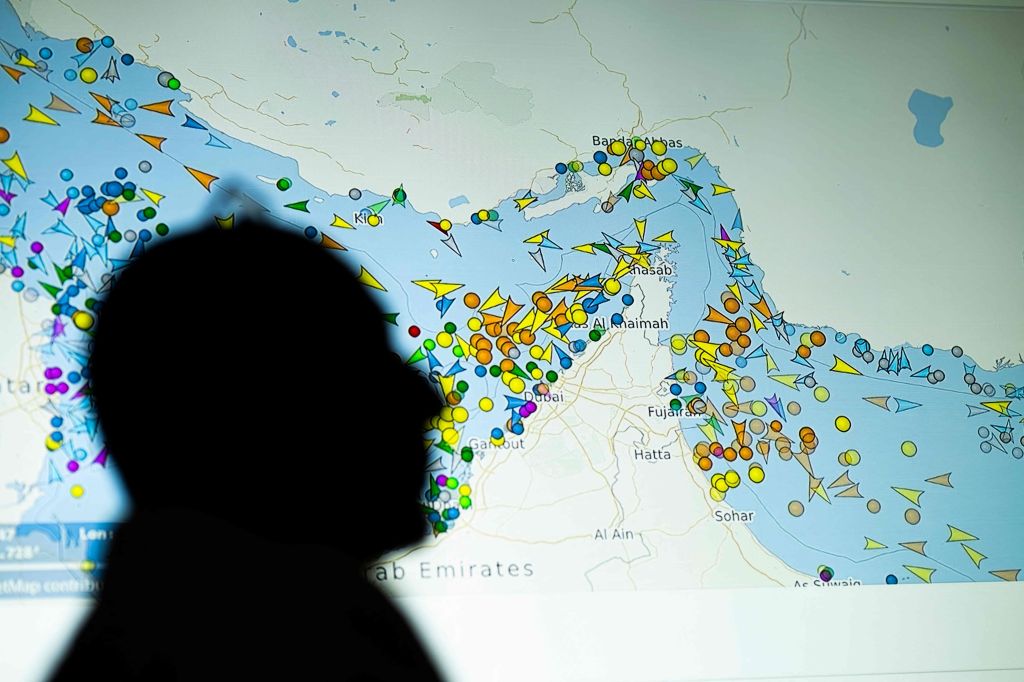
Pakistan relies heavily on imported oil, with a significant portion arriving via the Strait of Hormuz.
“Pakistan, in my view, has more at stake than most other countries outside the Middle East,” said Michael Kugelman, a senior fellow for South Asia at the Atlantic Council.
It has a strong motivation to do whatever it can to support efforts aimed at reducing tensions.
The Pakistani government raised the cost of gasoline and diesel by approximately 20% at the beginning of March and has already implemented actions such as a four-day workweek for public sector workers in an effort to reduce fuel consumption.
“If the conflict persists, the economic strain in Pakistan will escalate significantly,” states Farhan Siddiqi, a Political Science professor at the Institute of Business Administration in Karachi.
Another concern exists regarding the potential consequences of an escalation.
In September of the previous year, Pakistan entered into a military agreement with Saudi Arabia, stating that “any attack on either nation will be viewed as an attack on both.”
It has raised doubts about Pakistan’s potential actions if Saudi Arabia enters the conflict and activates the agreement.
Siddiqi states, ‘The issue for us is that if we are required to participate in the conflict on the Saudi side, our entire Western border will be significantly vulnerable.’
Pakistan is currently engaged in a full-scale conflict with Afghanistan; it claims that the Afghan Taliban are sheltering militant organizations within its territory, a statement that the Taliban administration refutes.
When confronted about its seemingly conflicting stance on diplomacy in its own disputes, Pakistan has stated that it pursued years of discussions that failed to provide the security it sought.
However, Siddiqi highlights that initiating an additional front is not the sole issue if Pakistan becomes involved in the conflict, noting that there is also a “domestic reputation cost.”
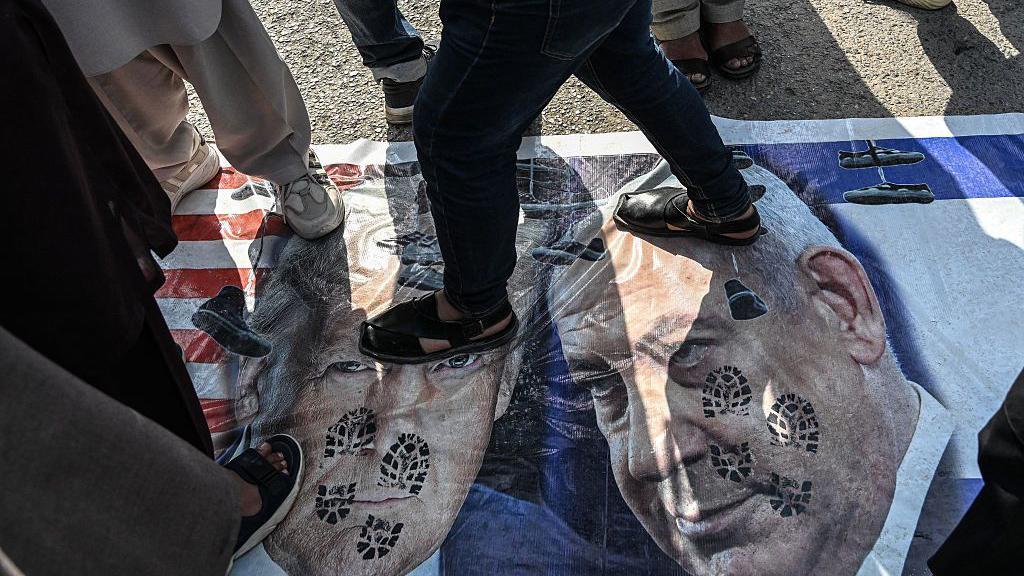
Following the death of Iran’s Supreme Leader in a combined US-Israeli air attack, supporters of Iran gathered in the streets of Pakistan – some lost their lives, including individuals who attempted to breach the US consulate in Karachi.
“Public opinion in Pakistan strongly supports Iran,” states Maleeha Lodhi, former Pakistani ambassador to the United States, the United Kingdom, and the United Nations.
I’m certain the decision-makers in Pakistan have been highly responsive to that.
Something to gain
Then comes the matter of Pakistan’s international reputation.
Pakistan is highly sensitive to criticism regarding its lack of influence on the world stage,” stated Kugelman. “I don’t believe that’s its primary reason for adopting its current stance, but it does have some connection to this issue as well.
This is serious diplomacy, without a doubt,” says Lodhi. “It’s high-risk and high-reward. If it works, it will definitely elevate Pakistan to the top of the international diplomatic scene.
And if it doesn’t?
Lodhi believes the harm won’t be significant.
Pakistan would still have been viewed as having made a sincere attempt. And if it failed, it wasn’t due to Pakistan’s lack of capability, but because you’re dealing with a man who is highly capricious and entirely, utterly unreliable.
Nevertheless, Kugelman believes there could be a reaction if, despite all the talk of discussions, both parties return to conflict with increased intensity.
He comments on that situation, saying, ‘Pakistan might be vulnerable to accusations of being naive.’ ‘And that it was involved in an attempt to mediate while both parties were seeking some time to consider their next moves toward escalating the conflict.’
‘Unconventional diplomatic games’
It remains uncertain how events will unfold, but one thing is evident: Pakistan has swiftly leveraged its connection with Trump.
Lodhi highlights Pakistan’s decision to put forward Trump for the Nobel Peace Prize “in acknowledgment of his significant diplomatic actions” throughout the 2025 Pakistan-India conflict, along with Kabul transferring the individual suspected of orchestrating the Kabul airport attack during the Afghanistan withdrawal to the United States.
“Pakistan provided Trump with two initial victories, which are highly significant for him. This helped establish the relationship and led to this new sense of warmth,” stated Lodhi.
“It’s ready to engage in non-traditional diplomatic tactics, in contrast to India,” Kugelman adds.
The reality is that Pakistan’s top leaders have made a conscious effort to praise the president, which has significantly benefited their position in Washington and has enhanced Pakistan’s appeal as a mediator and facilitator within the administration.
However, the connection with the United States is not the sole advantage Pakistan holds.
Pakistan has understood that adopting a balanced approach is the most effective strategy in regional diplomacy,” stated Siddiqi. “The current global landscape is one where nations, particularly middle powers, feel more at ease with the concept of multi-alignment in their policies.
I believe Pakistan is in the best position to engage with Iran because it doesn’t have the image of being pro-Israeli or particularly pro-American.
At the same time, diplomatic discussions are ongoing.
Pakistan’s Foreign Minister Ishaq Dar is visiting China on Tuesday at the request of his Chinese counterpart, Wang Yi.
However, significant issues remain for Pakistan; and achieving a peace agreement seems unlikely.
“Let’s be quite clear, the chances of reaching an agreement are not very good considering the significant distrust between the Americans and the Iranians, as well as the extreme demands from both the US and Iranian sides,” stated Kugelman.
I believe this equation presents the greatest challenge Pakistan will need to address if its present strategies fail.


 jasdooit
Leave a comment