
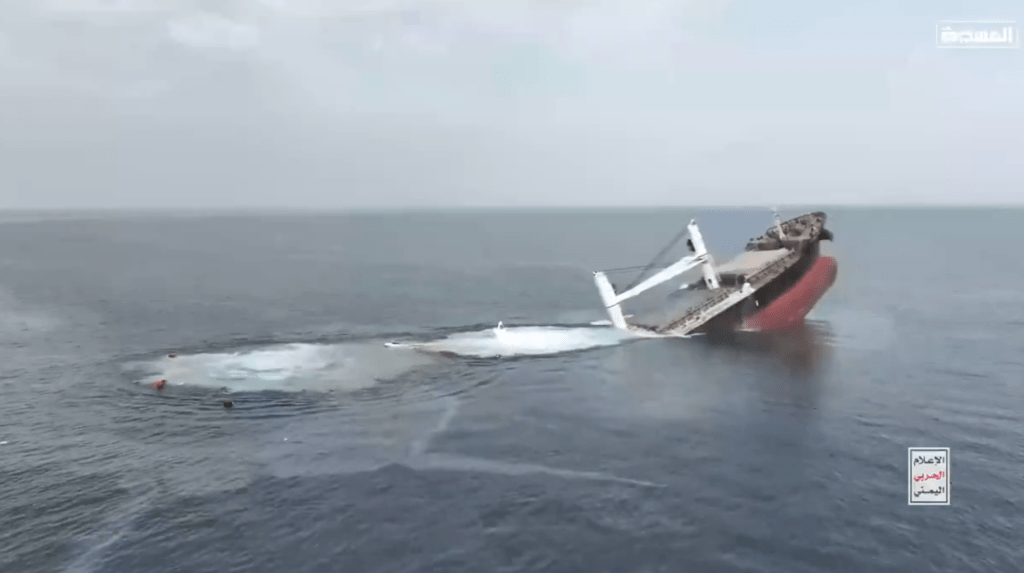
A campaign by the Houthis targeting vessels in the waterway and close to the Bab el-Mandeb Strait could intensify global energy market instability.
European officials who are aware of the situation claim that Iran is urging the Houthis to get ready for a new campaign targeting Red Sea shipping, provided there is any additional escalation from the US in its conflict with the Islamic Republic.
Officials from the Houthis, a militant organization based in Yemen and supported by Iran, are considering more intense measures following their recent launch of ballistic missiles toward Israel, according to sources who requested anonymity due to the sensitive nature of the discussion.
There are disagreements among the Houthis’ leaders regarding the level of aggression to adopt, which was one reason the group joined the conflict only a month after it began, according to sources.
Are you curious about the most significant issues and developments from across the globe? Find the solutions withSCMP Knowledge, our latest platform featuring curated content including explainers, FAQs, analyses, and infographics, presented by our acclaimed team.
In a statement released on Saturday, the Houthis stated they will keep carrying out military actions until the US-Israeli strikes on Iran and its affiliated groups, such as Hezbollah in Lebanon, come to an end. They explicitly mentioned they would not target tankers or other ships passing through the Red Sea.
U.S. and Saudi Arabian officials have informed European allies that they think the group aims to prevent additional escalation and attacks on American and Saudi facilities at this time, according to the individuals mentioned.
A representative from the Saudi government did not promptly respond to a request for statement. Spokespersons from the White House also did not immediately provide any comments on the issue.
Nevertheless, the longer the US-Israeli conflict with Iran continues, the more probable it is that the Houthis will strike in the Red Sea, the individuals mentioned. They suggested that the Islamist group might postpone a decision to maintain influence over the US.
An official mentioned that a potential U.S. attempt to seize Kharg Island—where Iran primarily exports its oil—might lead the Houthis to increase their attacks.
A campaign by the Houthis targeting vessels in the southern Red Sea and close to the Bab el-Mandeb Strait could further disrupt global energy markets.
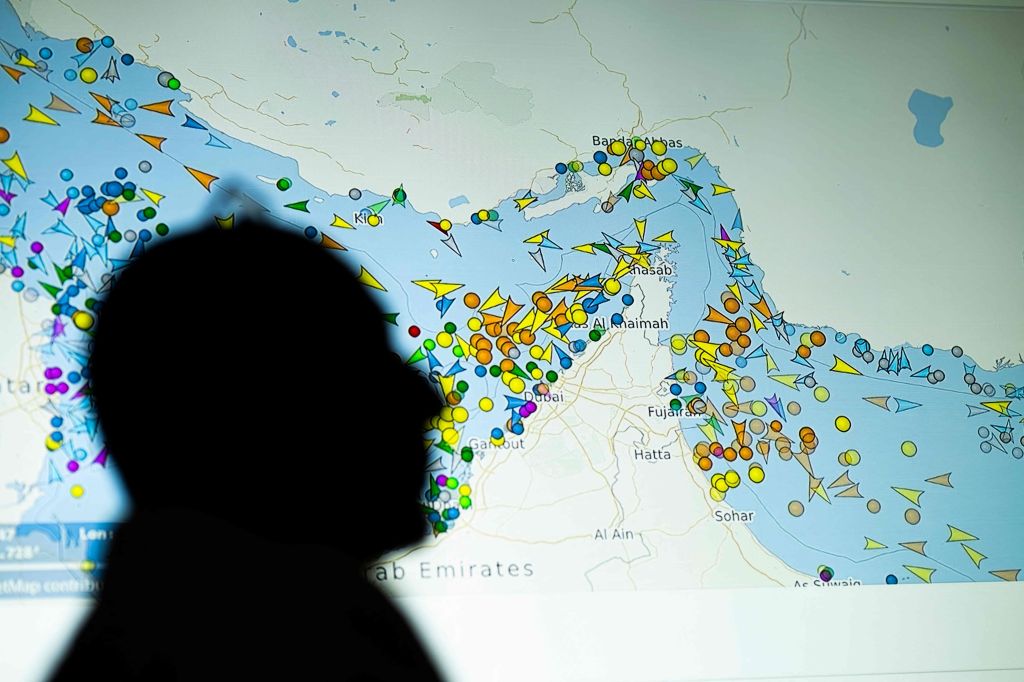
The waterway has taken on significant importance after Iran effectively closed the Strait of Hormuz since the conflict started in late February. Oil prices increased again on Monday, with US crude futures closing the session above US$100 per barrel for the first time since 2022.
With the Hormuz Strait closed, Saudi Arabia has increased oil exports from the Red Sea port of Yanbu. For vessels traveling from there to Asia—the largest purchaser of Saudi oil—the Bab el-Mandeb Strait offers the most direct path.
The existence of that other option has contributed to controlling the increase in oil costs.
The Houthis effectively blocked Western shipping companies from accessing the southern Red Sea and Gulf of Aden from late 2023, following the conflict in Gaza between Israel and Hamas. The Houthis claimed their actions were in support of the Palestinian group, and their attacks persisted until a ceasefire was established in Gaza in October.
However, the Houthis are now dealing with complicated choices regarding their participation in the Iran conflict, according to the people. From Tehran’s point of view, the danger posed by its affiliated militant group to shipping routes is yet another tool to leverage in any discussions with the US, highlighting its capacity to affect the global economy further.
However, although Iran is the Houthis’ primary supporter, they do not always follow Tehran’s orders.
The group has its own strategic considerations and will be cautious about provoking a response from the US or Israel as it continues to recover from earlier bombing operations.
The United States conducted strikes against the Houthis starting in January 2025, causing substantial harm. However, the operation came at a high cost for Washington, leading US President Donald Trump to agree on a ceasefire with them in May of that year.
Despite the pressure from Iran, the Houthis would have to explain their involvement in the conflict at a moment when the economy in the regions they govern is in a severe condition. Nearly half of Yemen’s population is experiencing severe food shortages, as reported by the UN.
A radical group seeks to execute broader assaults, whereas more moderate individuals have opposed this approach.
The choice to strike Israel this weekend reflected a middle ground among conflicting groups, according to officials. The Israeli government has not confirmed any injuries from the Houthis’ missiles launched since the weekend.
More Articles from SCMP
Style Edit: Henry Jacques’ Les Toupies, where exquisite craftsmanship blends with sentimentality
Will Iran’s attacks on Gulf smelters enhance China’s aluminum trade?
This piece was first published in the South China Morning Post (www.scmp.com), a top news outlet covering China and Asia.
Copyright (c) 2026. South China Morning Post Publishers Ltd. All rights reserved.



 jasdooit
Leave a comment