
This year’s tax income is expected to surpass the original target by more than 25 trillion won, driven by a boom in the semiconductor sector and an increase in domestic stock market activities. The government has introduced an additional budget adjustment to revise the tax revenue estimate upwards according to this projection.
The Ministry of Planning and Budget announced on the 31st that it plans to introduce an additional budget adjustment of 25.2 trillion won for the “2026 Supplementary Budget Revision Plan.”
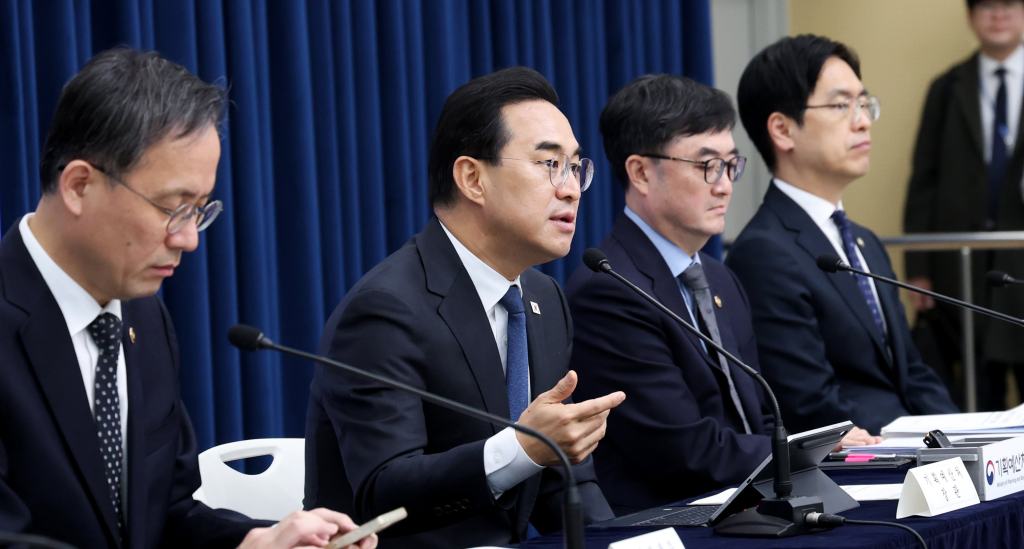
The country’s tax revenue budget for this year has been updated from the initial 390.2 trillion won to 415.4 trillion won. Minister Park Hong-keun mentioned, “This is due to additional tax income resulting from the semiconductor sector’s impressive performance and positive stock market trends.”
Corporate tax experienced the highest rise when categorized by tax type. Due to better earnings projections for semiconductor firms, corporate tax income was increased from 86.5 trillion won to 101.3 trillion won, representing a growth of 14.8 trillion won.
Owing to the opening of the Korean stock market, revenue from the securities transaction tax almost doubled, rising from 5.4 trillion won to 10.6 trillion won. The special tax for rural development was also increased, moving from 8.5 trillion won to 13.6 trillion won.
The income tax collected from employees was set at 73.2 trillion won, marking an increase of 4.8 trillion won, due to higher numbers of salaried workers and anticipated rises in wages.
On the other hand, three tax categories—transportation tax (-3.4 trillion won), education tax (-800 billion won), and individual consumption tax (-500 billion won)—are projected to drop as a result of the continuation of lower tax rates on fuel and vehicles.
The rise in tax revenue forecasts will also enhance support for local governments linked to domestic taxes. The local allocation tax and local education funding grants will see a combined increase of 9.4 trillion won, with an extra 9.7 trillion won set aside to reinforce local financial stability.
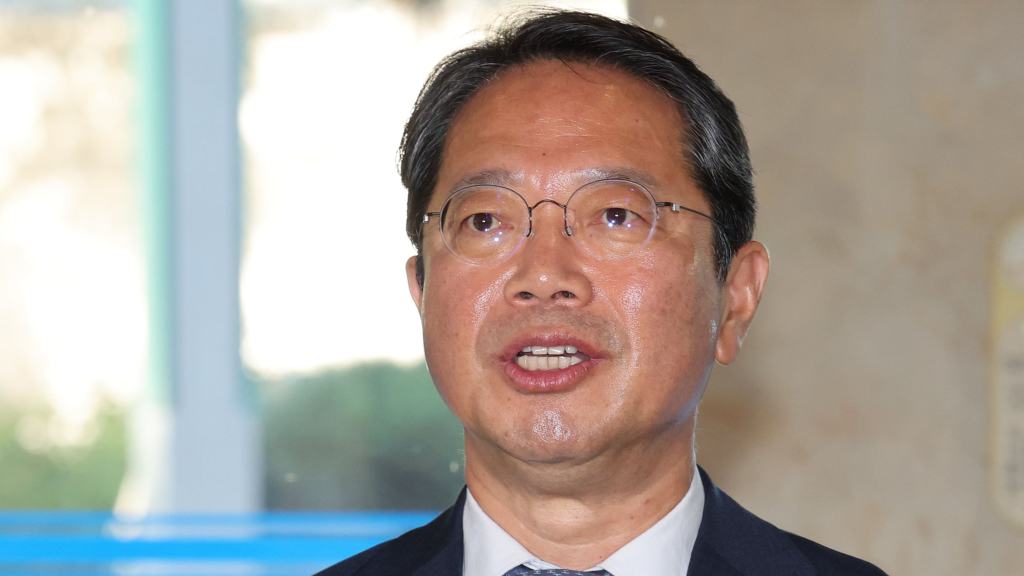
Cho Yong-beom, director of the budget office, said, “Since this additional budget depends on surplus tax income, we will ask for support to make sure the money is mainly directed towards initiatives that match the goals of the revision.”
This additional budget is fully supported by surplus tax income, without the need to issue government bonds, representing the seventh instance of this approach since the 1998 Asian financial crisis.
Earlier, the same method was used in additional budgets in 1999, 2003, 2016, 2017, 2021, and 2022.


 jasdooit
Leave a comment