
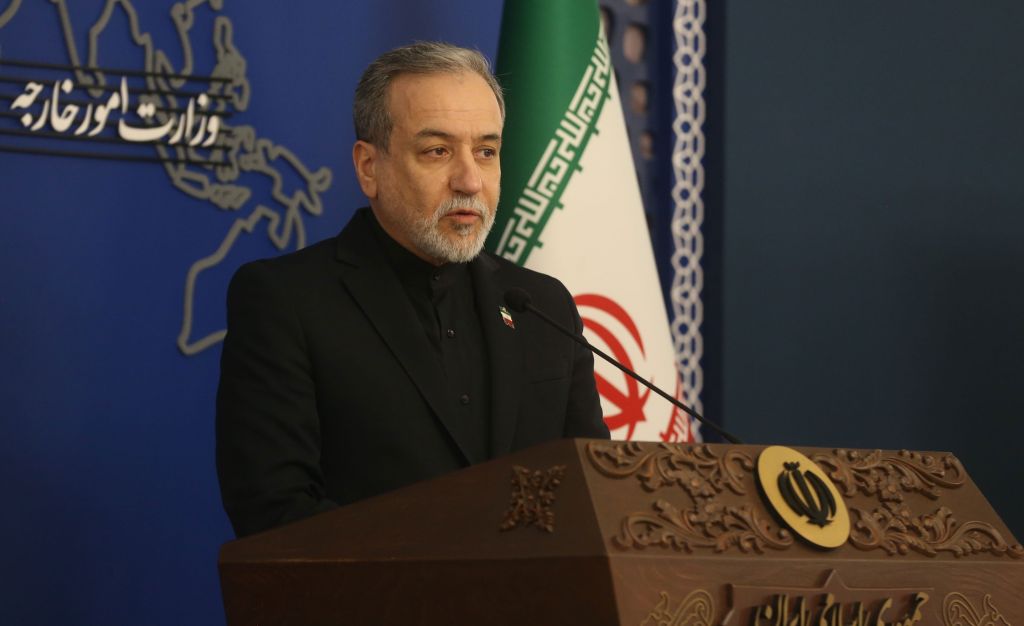
Iran’s Foreign Minister Abbas Araghchi, who was part of the Iranian team involved in discussions with the United States, stated that the peace negotiations failed because of the American side’s overly ambitious requests.
On the 13th, Araghchi mentioned through social media platform X, X, “During the highest-level discussions in 47 years, Iran genuinely participated in talks aimed at ending the conflict. Nevertheless, as we approached the Islamabad Memorandum of Understanding (MOU), we faced the U.S.’s extreme positions, changing demands, and embargo.”
He stated, directing his comments toward the U.S., “You have not taken any lessons to heart,” and noted, “Kindness leads to kindness, and hostility results in hostility.”
The United States and Iran held 21 hours of talks in Islamabad starting on the 11th, continuing past midnight, yet were unable to resolve disagreements over critical matters including Iran’s uranium enrichment and nuclear program, as well as the access to the Strait of Hormuz. Vice President JD Vance, who headed the U.S. team, stated that the breakdown occurred because Iran did not show a clear dedication to giving up nuclear weapons development.
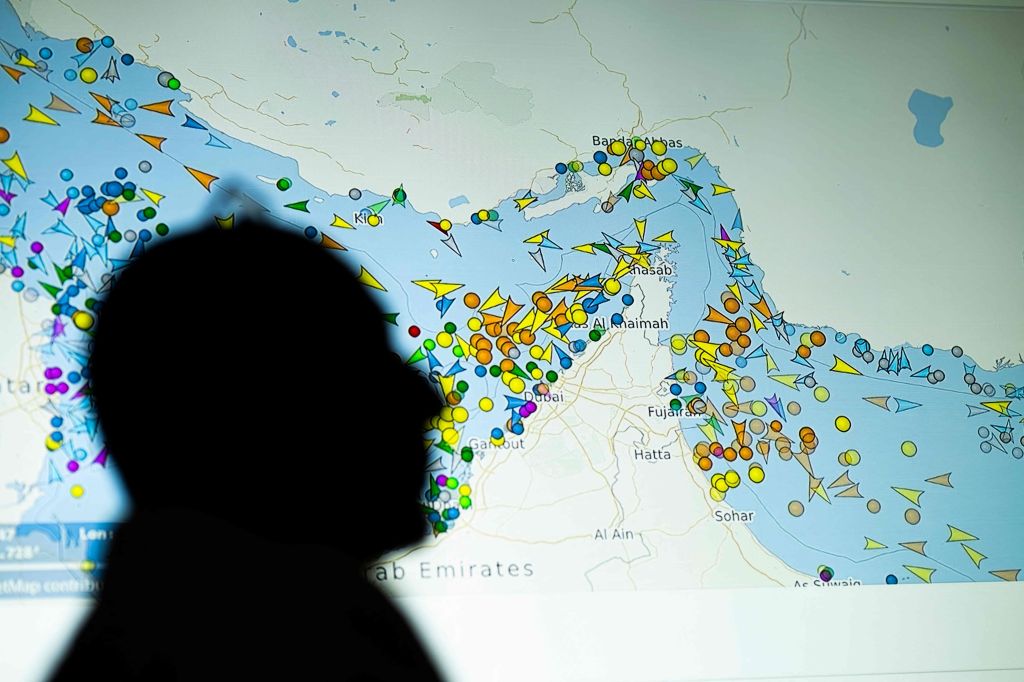
After the incident, U.S. President Donald Trump imposed limitations on ships entering and leaving Iranian ports via the Strait of Hormuz. This action is seen as an effort to prevent Iran from collecting tolls and to increase pressure by disrupting its crude oil export channels.
As a reply, the U.S. military stated that beginning at 10 a.m. Eastern Time on the 13th (11 p.m. Korea Time on the 13th), it would restrict the movement of these ships through the Strait of Hormuz.



 jasdooit
Leave a comment