
The restricted participation of non-citizens in state aid initiatives has consistently sparked debate within the nation.
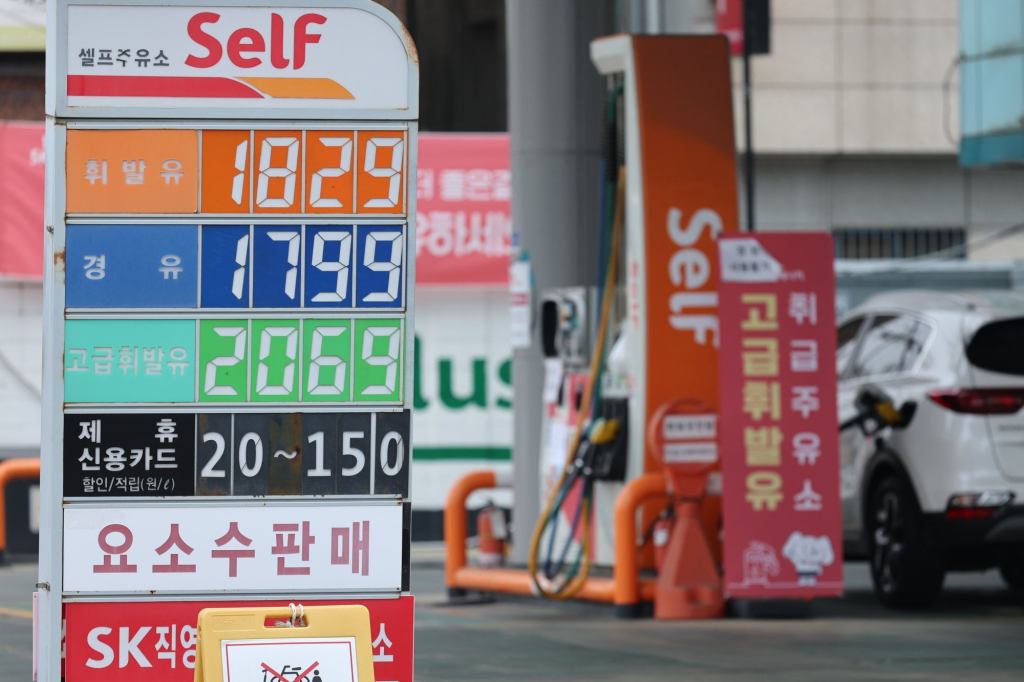
Some foreign residents in South Koreawill qualify for government financial assistance, amounting between 100,000 won (US$67) and 600,000 won, to be paid out in April as part of an additional budget designed to counter rising fuel prices due to the ongoing Middle East conflict.
Non-South Korean individuals were generally not eligible for the subsidy program, although exceptions could be granted to those considered to have “close connections” with residents, according to the Ministry of the Interior and Safety on Sunday.
Non-citizens may qualify if they are registered on a residence record with at least one South Korean national and are part of the national health insurance scheme, either as primary members or dependents.
Are you curious about the major issues and developments happening globally? Find the answers withSCMP Knowledge, our latest platform offering carefully selected content including explainers, FAQs, analyses, and infographics, presented by our acclaimed team.
Households that are completely foreign may also be eligible if they consist of permanent residents, married migrants, or refugees, provided that these individuals are enrolled in the national health insurance program or receiving state-provided medical assistance.
South Korean citizens residing abroad will qualify if they came back to the nation between March 30 and July 17, and submit their claims via a distinct application procedure by July 17.
The cash assistance initiative is a component of a larger 26.2 trillion won additional budget, which was passed by the National Assembly on Friday to address the economic impact of the Middle East crisis, with 6.1 trillion won designated for this program.
Approximately 32.5 million individuals, representing 70 percent of those in lower income groups, qualify for the financial assistance.
Payments will start on April 27 for at-risk groups, such as those receiving basic living support, families close to the poverty line, and single-parent households, with an extension to a wider group of eligible individuals on May 18.
Beneficiaries will get the money through debit cards, prepaid cards, or cash vouchers. Usage will be restricted to small businesses with annual revenue of 3 billion won or below, including traditional markets, grocery stores, medical clinics, and pharmacies.
The restricted participation of non-citizens in state aid programs has consistently sparked debate, with opponents arguing that qualification standards should be broadened considering the tax payments made by foreign residents.
In March, the Korean National Human Rights Commission suggested that the government broaden the qualifications for foreign residents, highlighting worries regarding unfair treatment.
The suggestion was made following a complaint submitted by migrant worker organizations in July of last year, which claimed that a prior aid program based on vouchers unfairly disadvantaged foreign residents based on their visa type and family structure.
The Ministry of the Interior later stated that the cash assistance program was created as an emergency aid initiative funded by public resources and thus needed to be carried out within financial limits.
This piece was initially released by The Korea Times
More Articles from SCMP
Hong Kong and mainland China ink a ‘significant’ agreement to boost the digital economy
Regarding educational equity, Hong Kong officials need to conduct thorough research
Extending subsidized after-school programs can benefit more households
This piece was first published in the South China Morning Post (www.scmp.com), a top news outlet covering China and Asia.
Copyright (c) 2026. South China Morning Post Publishers Ltd. All rights reserved.


 jasdooit
Leave a comment