
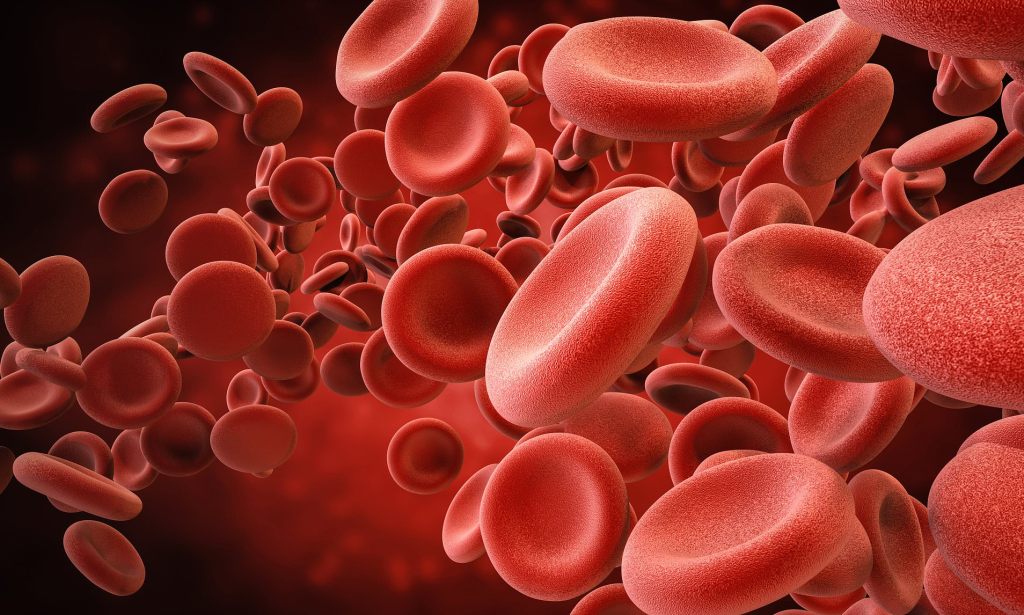
A recent study indicates that a nutrient deficiency, which impacts one out of every five individuals in the UK, may raise the likelihood of developing dementia and speed up the appearance of its symptoms.
Iron deficiency anemia — a widespread condition characterized by insufficient iron in the body, leading to reduced red blood cell production — has been associated with various health issues, such as fatigue, headaches, and cognitive difficulties.
In extreme cases, unaddressed anemia may result in heart disease and kidney failure.
Currently, scientists from Stockholm University have identified another troubling condition associated with iron deficiency: dementia.
They discovered that low levels of iron can weaken the brain’s ability to withstand the illness, raising the likelihood of its occurrence and speeding up the onset of symptoms – especially in males.
Over 10 million people in Britain are believed to experience some form of anaemia, a condition that arises when the blood does not have enough components to transport sufficient oxygen throughout the body, leading to symptoms such as paleness, difficulty breathing, and irregular heartbeats.
Although iron deficiency anemia may result from insufficient dietary iron, it is also frequently caused by heavy menstrual periods and pregnancy in women.
The latest study, featured in the journal JAMA Neurology, monitored 2,282 adults who were mentally sharp and aged 60 or older over approximately 9 years, examining how fluctuations in iron levels affected theirAlzheimer’s risk.
Blood samples taken at the start of the research were tested for tau levels, a protein that builds up and forms tangles in the brain.
Large clusters of this harmful protein may create plaques in the brain — and are believed to contribute to the symptoms of Alzheimer’s.
Blood samples were also analyzed for haemoglobin levels, a protein found in red blood cells responsible for transporting oxygen throughout the body and giving blood its red color, which helps in identifying anemia.
Individuals with anaemia were 66 percent more prone to acquiring the memory-impairing condition compared to those with typical haemoglobin levels, according to scientists.
Low hemoglobin was also linked to increased amounts of p-tau217 – considered the most specific blood indicator for Alzheimer’s.
Strangely, the researchers observed, anaemia was linked to a greater risk of dementia in men compared to women, even though more women suffer from iron-deficiency anaemia.
They proposed this might indicate a gender-specific susceptibility to low hemoglobin levels.
“While women typically experience lower haemoglobin levels and a higher rate of anaemia during early life, this is influenced by reproductive factors. In men, anaemia is less frequent, tends to occur later, and is often caused by chronic illness, inflammation, or nutritional deficiencies,” they wrote.
“Women” typically have lower baseline hemoglobin levels, which may lead to increased resistance to anemia, mitigating its effect on brain health.
The scientists stated: ‘Our results indicate that anemia is a significant clinical factor when considering the risk of dementia and may serve as a modifiable element in strategies aimed at preventing dementia.’
Recent data indicates that approximately two billion individuals currently experience iron deficiency, with 1.2 billion affected by iron-deficiency anemia globally, largely due to inadequate nutrition.
Only in the UK, it is believed that three percent of men and eight percent of women suffer from this condition, with over 57,000 individuals hospitalized annually because of anaemia.
Most cases could be avoided, according to specialists. For numerous individuals, a daily iron supplement—only 10p per tablet—can effectively increase levels.
Consuming more dark green vegetables, such as kale, iron-fortified cereals, and red meat can also aid in increasing iron levels.
Other factors related to lifestyle and the environment can also have a major impact on the likelihood of developing dementia.
Smoking, suboptimal heart health, and loneliness are all factors that can raise the risk of acquiring this condition that impairs memory.
Alzheimer’s disease is the leading type of dementia, impacting as many as 75 percent of individuals who receive a diagnosis.
Common early signs often involve memory challenges, trouble with cognitive functions, and problems with communication, which tend to progress as time goes on.
Nevertheless, specialists think that approximately 45 percent of dementia cases could be avoidable – or at least postponed – by making changes in lifestyle and enhancing early detection methods.



 jasdooit
Leave a comment