
A new television show that showcased the everyday experiences of separated couples caused intense discussion, with some asking, “Is this really essential?” This occurred as news emerged that the number of divorces among couples who have been married for more than three decades reached an all-time high, leading to broad conversations.
“These days, I need to be careful with what I say around my husband. He says I’m always neglecting him,” said friends who now fight over small issues. One friend shared, “After retiring, my husband of many years turned into a stranger. He’s been staying in a mountain temple program to reflect and find answers.” She explained, “I asked him to help with the dishes because he had too much free time, but he felt disrespected. When I made side dishes for our son during a meal, he called it unfair treatment. And when I suggested he make his own lunch, he accused me of being someone who only helps when he’s earning money.” What appeared to be strength was actually deep, hidden pain.
A psychological evaluation revealed that the husband, who had always been the sole provider, felt a sense of entitlement and perceived himself as a victim, thinking he “sacrificed his life to support the family.” After retiring, he felt lost, which damaged his self-worth and tolerance. Inadequate communication increased his loneliness, and he believed his children, who were now financially independent, did not respect him. Housework was still considered “free time,” while ongoing arguments led both sides to want to focus on personal fulfillment “at this point in their lives.”
As per a March report from the Ministry of Data and Statistics, “gray divorces” (couples who have been married for more than 30 years) rose to 15,600 instances last year, reflecting a 3.3% rise compared to the prior year. This stands in stark contrast to a 3.3% drop in overall divorces (88,100 cases). Divorces involving couples with 30 or more years of marriage made up 17.7% of all cases, marking the largest proportion.
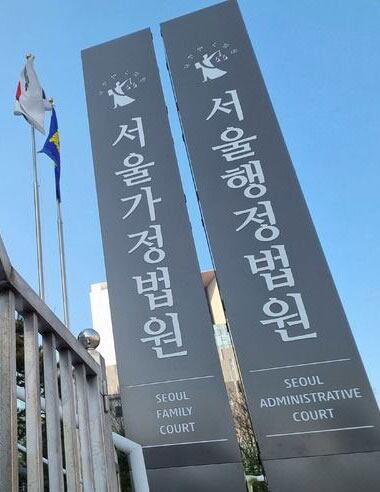
The increase in gray divorces indicates changes in society: anxiety about extended disputes due to longer life spans, emphasis on personal happiness, changing gender roles, and improved legal protections for women to achieve financial autonomy after separation. Close to Yangjae Station at the Seoul Family Court, ads for divorce attorneys are flourishing.
However, counseling professionals caution, “Gray divorce is an unstable solution. Remarriage frequently encounters difficulties because of complications with the new partner’s family.” They believe that staying together for 30 years demonstrates common objectives and perseverance.
American psychologist Arnold Lazarus, who extensively researched relationships, mentioned in his book *The Myth of Marriage*, “Marriage demands ongoing work, not just romantic fantasies. Let go of the belief that temporary passion ensures lasting joy.” Marriage functions as a joint approach to enduring life. As people grow older, this insight becomes more apparent: years spent together are both a matter of destiny and appreciation—a miracle created through continuous dedication.
A German psychoanalyst, Erich Fromm, discusses this in his book *The Art of Loving*: “Love involves giving, understanding, and respecting with a sense of duty. Genuine love embraces differences rather than seeking uniformity.” Rather than allowing small disagreements to grow, couples should go back to what initially brought them together. People, influenced by their survival instincts, seek acknowledgment and affection; empathy and kindness can bring back joy.



 jasdooit
Leave a comment