
The overseas travel market is experiencing changes before the May Golden Holiday. An analysis by Hana Tour of early May holiday package reservations (May 1–5) shows that China took the lead with 30% of bookings, surpassing Japan, which had previously been the top choice for South Korean travelers. Japan came in second with 23%, while Vietnam was third with 14%. Experts in the industry believe China’s rapid rise is due to a significant change in South Koreans’ travel spending habits.
Receiving Energy Without Yearly Vacation, Using Weekends
Previously, long-distance international travel was common, often requiring lengthy vacations. However, a new trend has arisen: taking frequent trips without using annual leave, dividing them into shorter periods. Choi Sang-won, 32, an office employee, stated, “Long trips to Europe or the U.S. involve too much work to manage before leaving, making me tired by the time I actually travel, and I end up stressed from catching up afterward. I prefer shorter, more regular trips.” This highlights office workers’ approach to reduce work interruptions while enhancing chances for relaxation.
This has sparked renewed attention to “night goblin travel”—brief, high-energy international trips that utilize weekends without taking annual leave. Travelers depart on Friday evenings, spend the weekend abroad, and return on Monday mornings, finishing 48-hour journeys. Initially focused in Tokyo, this trend is now expanding throughout Asia, supported by airlines increasing late-night flights to key Asian cities.
The conflict in the Middle East, which has limited air routes to Europe, has also led to a decline in long-haul travel. A representative from a travel agency, Mr. A, stated, “We are concerned about the rising number of cancellations for European trips. Fewer available flights, higher fuel surcharges, and worries about safety have made tickets even more costly.”
Emerging Stars: Chinese and Greater Chinese Cities
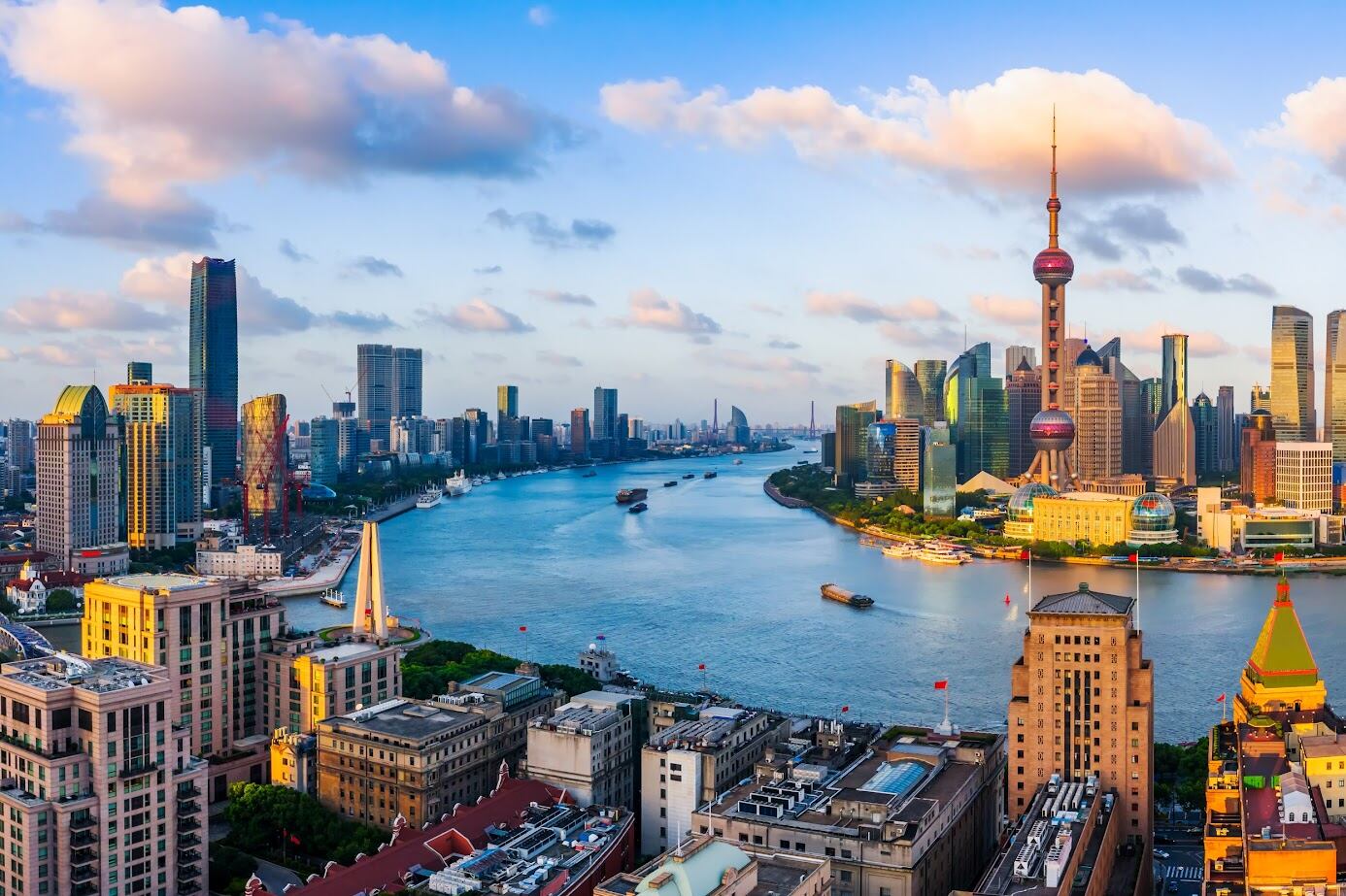
Cities in Asia within a 4-hour flight are now popular, providing deep cultural and food-related experiences. Chinese cities, especially, are easier to reach because of the extended visa-free policy that lasts until the end of this year. Shanghai is currently the most sought-after spot: a 2-hour flight lets visitors enjoy the Bund’s evening scenery, where modern high-rises coexist with historical sites in a brief period.
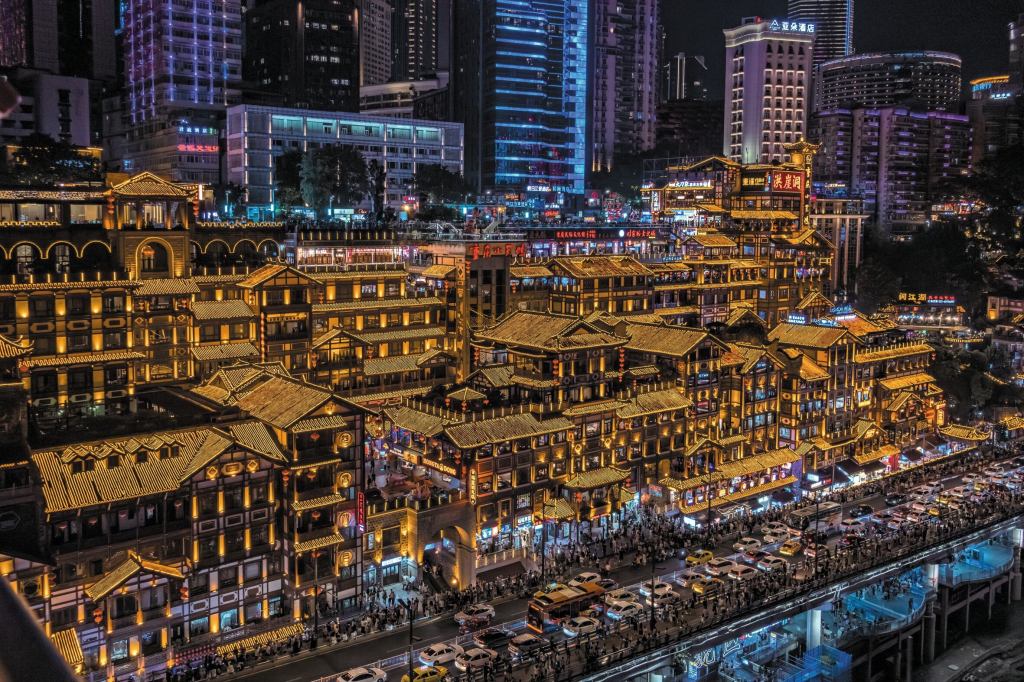
Chongqing, referred to as a “dopamine paradise” on social media, offers unique scenery such as monorails passing through high-rises built into the mountains. The night view of the Hongyadong area, which evokes *Spirited Away*, is a popular spot for Instagram photos. It’s also known as the origin of “mala” (numbingly spicy) food, drawing in younger tourists. Qingdao, located 1 hour and 15 minutes away, draws individual or small group travelers due to its European-style architecture and a beer museum from its German colonial period.
Taipei, known for its lively night markets and wide variety of street food, along with Hong Kong, a blend of Eastern and Western cultures and a major international food center, are also becoming popular for quick getaways. Although Japan has lost the leading position, it still holds strong, particularly with more overnight flights from Incheon to Osaka making 1-night, 3-day trips possible.
Evolution Toward Immersive Experiences
The pattern of taking brief, regular trips instead of long annual vacations is anticipated to continue. A survey conducted by Skyscanner in March 2026 revealed that 62% of 1,000 office workers surveyed intend to travel “short and frequently” this year. The sector observes that international travel has evolved from a “rare occurrence” to a “regular break.” At the same time, travelers are moving away from “checklist tourism” to pursue more meaningful, immersive local encounters.



 jasdooit
Leave a comment