
At what point do you start to be considered old? A recent study has identified the specific age.
A survey involving over 2,000 British people indicates that individuals are considered elderly at the age of 69.
The findings will be disappointing for 69-year-old stars such asTom Hanks, Kim Cattrall and Steve Harvey.
For the study, Seven Seas surveyed thousands of British adults on their perception of when aging truly begins.
Earlier research has indicated thatold age can start as early as 62.
Nevertheless, recent discoveries suggest that the British perspective on age is changing.
“While we might be extending the concept of ‘old’ into the future, the data indicates that many of us are still delaying the habits that contribute to healthy aging,” explained Donna Bartoli, Wellness Expert & Health Coach.
And if 69 truly represents the new ‘old,’ then taking care of our future health isn’t something to delay—it’s something to do right now.
Earlier studies have highlighted a distinct difference in how various age groups view the process of growing older.
A new survey involving 4,000 individuals revealed that Boomers (those born between 1946 and 1964) consider old age to start at 67, whereas their offspring and grandchildren perceive it as occurring at a significantly earlier age.
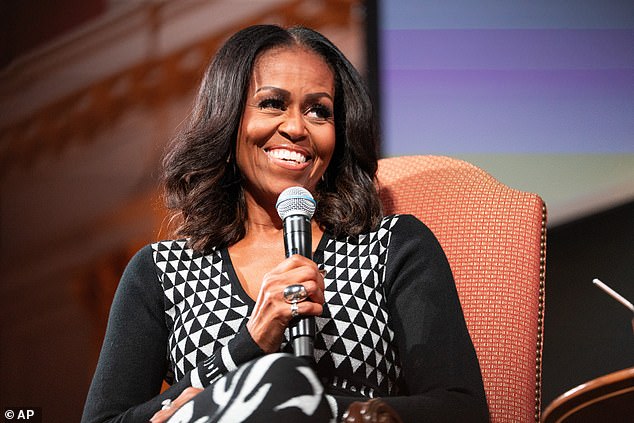
As per Gen Z, figures such as Michelle Obama, Brad Pitt, and Lisa Kudrow – all aged 62 – are now considered part of the ‘over the hill’ group.
Polling also showed that Gen Z believes individuals begin to face cognitive decline at age 62, whereas the challenge of adjusting to technology starts three years earlier, at 59.
In the meantime, they think that a person may not appear attractive in the newest trends at the age of 56.
Katherine Crawshaw, joint leader of the Age Without Limits initiative, stated: ‘What we frequently observe regarding attitudes towards age and aging is genuine worry about growing older, about attaining a specific age, from quite early in our adult years.’
And subsequently, when we achieve these milestones, for many individuals, the anxieties and concerns regarding reaching that age tend to lessen once they actually experience it. Being exposed to a constant stream of ageist messages throughout our lives, such as children as young as ten wanting to purchase anti-aging makeup, leads people to have an overly negative perspective on what aging will be like.
The analysis of the data also showed that one in five individuals from Generation Z, who are between the ages of 18 and 29, believe they won’t look good when they grow older.
In the meantime, a quarter of people do not anticipate having many family members or friends nearby during their older years.
Approximately 27 percent feel they won’t be in good health when they reach ‘old’ age and tend to think that people enjoy life less as they grow older.
Among all individuals surveyed, the most frequently used expression to describe an elderly person was “stuck in your ways,” followed by “mutton dressed as lamb.”
Other widely used expressions were “you’re too old for that,” “dinosaur,” and “over the hill.”
The findings indicated that a large percentage of Generation Z believed individuals above the age of 50 would have difficulty keeping pace with technological advancements.
Nevertheless, they seemed to hold a more understanding perspective regarding the worth of older employees in comparison to Boomers and were more inclined to believe that, generally, individuals of this age would still be an appealing candidate for employers.
The “No Limits in Age” initiative, organized by the Centre for Ageing Better, seeks to draw attention to the damaging effects of age discrimination throughout every area of society.
Harriet Bailiss, co-leader of the initiative, stated: ‘From a basic perspective on ageism, one could think that younger generations are more inclined to have negative views about older people.’
The truth is far more intricate than that, as indicated by our recent survey.
Although the numbers could suggest a possible irritation among younger people regarding older individuals’ use of technology, it also appears that Generation Z holds a more optimistic perspective on older workers and their employment opportunities compared to the Babyboomers, who are attempting to deal with a biased job market.
She stated: “We understand that age discrimination can affect individuals of every age, and numerous members of Generation Z have faced being evaluated solely based on their age.”
That’s why it’s important for everyone, regardless of their age, to recognize ageism and speak out against it when they see it happening.




 jasdooit
Leave a comment