
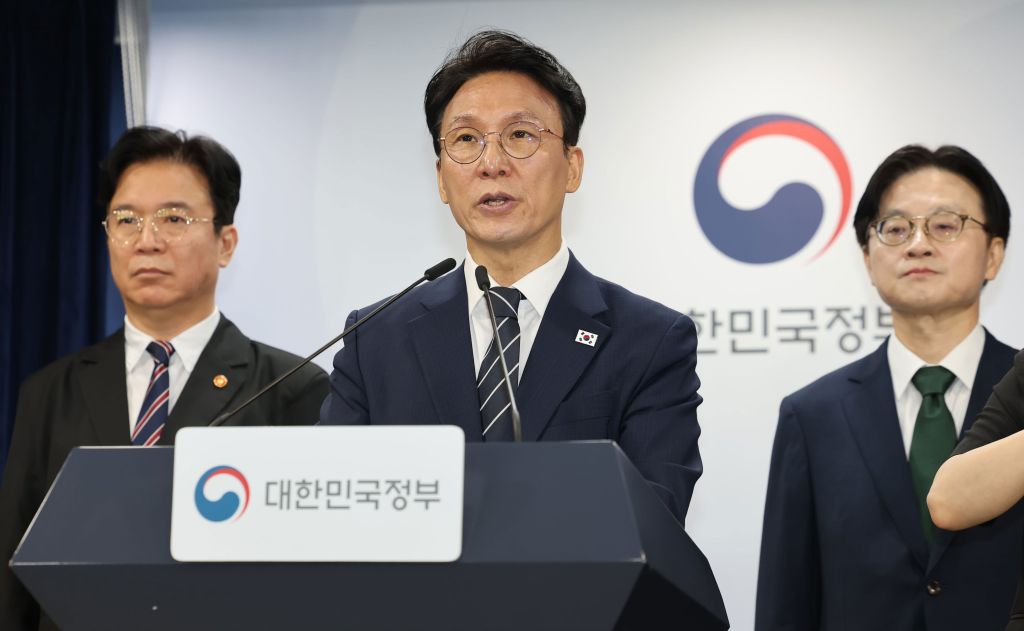
Prime Minister Kim Min-seok mentioned in a national speech on the 17th, “If the Samsung Electronics strike leads to major harm to the national economy, the government will consider all available actions, including emergency mediation.” With the large-scale strike, scheduled for the 21st and four days away, the Prime Minister officially brought up ‘emergency mediation’ to strongly encourage a final agreement.
On the same day, Prime Minister Kim stated at the Government Complex Seoul, “The 18th round of negotiations represents the last chance to avoid a strike. Both labor and management should not downplay the seriousness of this situation.” Cheong Wa Dae also mentioned, “The government will provide every possible support to ensure that Samsung Electronics’ labor and management resolve their dispute wisely without resorting to a strike.” With the 18th post-negotiation mediation led by the National Labor Relations Commission (NLRC) expected to be the final discussion before a potential strike, the government and Cheong Wa Dae seem to be exerting pressure on both sides of Samsung Electronics’ labor-management relationship.
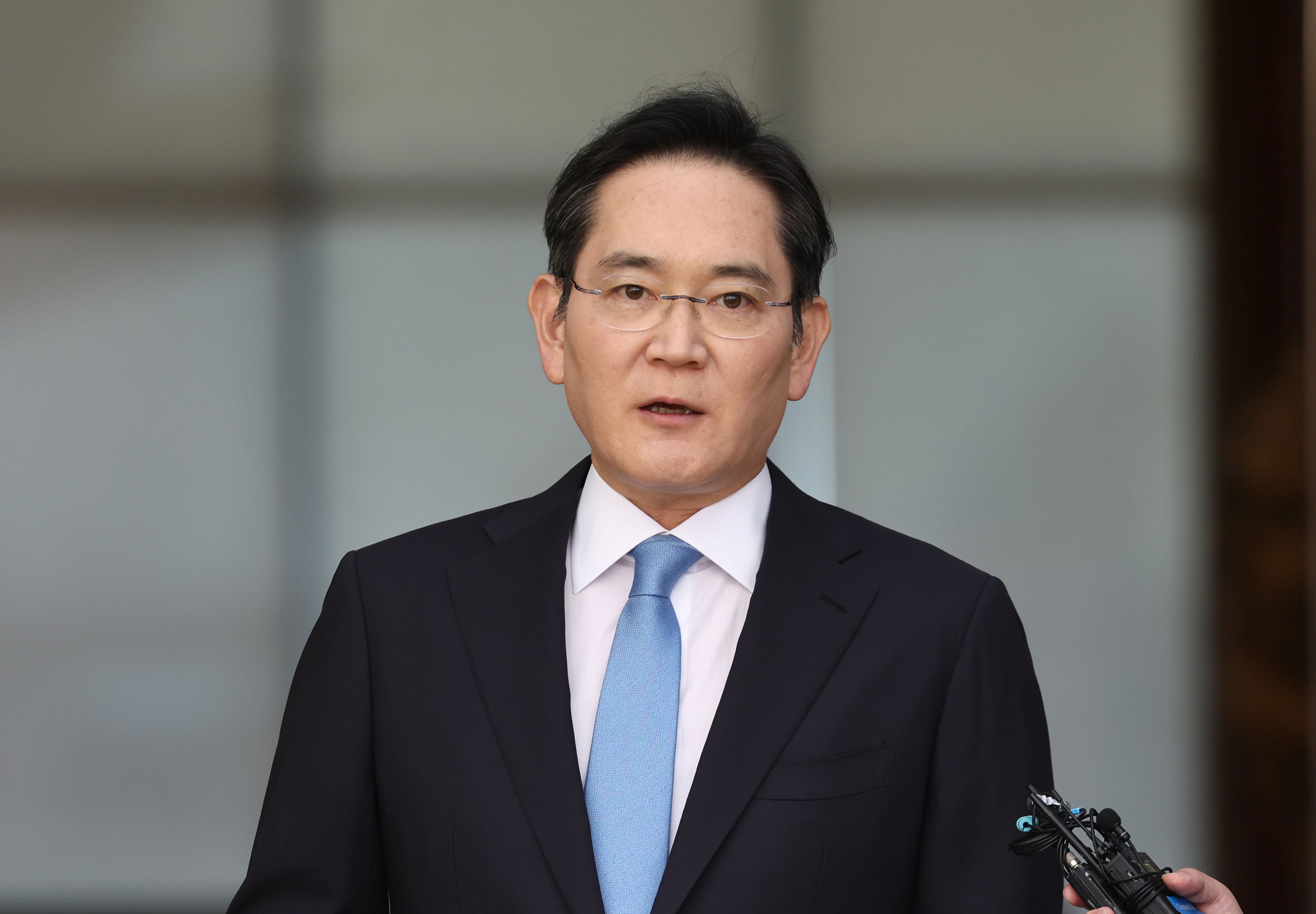
The Samsung Electronics union, which had previously taken a firm position by declaring, “We will negotiate with management on June 7th when the strike ends,” changed its stance over the weekend. After Lee Jae-yong, Chairman of Samsung Electronics, returned early from a trip abroad on the 16th and made a public apology, a second round of mediation talks was unexpectedly arranged. Lee bowed three times and addressed the union, saying, “We are one body, one family. I will endure the harsh winds and rains. Let us strive to achieve positive results through dialogue so that we can be proud to be part of Samsung.” In reply, the union stated, “Although rebuilding trust may take time, we hope management will begin making efforts from this negotiation.” Earlier, management had replaced the chief negotiator, Kim Hyung-ro, Vice President of the DS Division, with Yeo Myeong-gu, Leader of the DS People Team, in response to the union’s request.
In the meantime, the labor sector strongly rejected the government’s reference to emergency mediation. The two main labor unions commented, “Trying to use emergency mediation only because of economic consequences could establish a precedent that limits the strike rights of workers in major companies” (FKTU), and “We strongly object to efforts to reduce workers’ constitutional rights based on economic reasoning” (Korean Confederation of Trade Unions).
◇ Emergency Adjustment Authority Soon to Be Activated After 21 Years… Previous Four Instances Concluded With Partial Agreements, Partial Mandatory Mediation
Prime Minister Kim Min-seok’s public reference to the ’emergency adjustment authority’ on the 17th is seen as a response to the upcoming June 3rd local elections. Should the strike cause interruptions in semiconductor manufacturing, significant economic damage may result, placing additional pressure on the government before the elections. There are also worries that the strike might negatively impact the currently strong domestic stock market. On the same day, Cheong Wa Dae stated, “Samsung Electronics contributes 12.5% to GDP, and 4.6 million South Koreans hold shares in the company.”
The second mediation session following the negotiations, scheduled to begin at 10 a.m. on the 18th, will include Park Su-keun, the chairman of the NLRC. The main topic under discussion is whether a system should be established that allocates ‘N% of operating profit’ as performance-based bonuses, with the cap on such bonuses being eliminated. Nevertheless, both parties firmly turned down the compromise suggestion presented during the initial mediation, and unresolved differences from the pre-negotiations held on the 16th and 17th have made reaching an agreement challenging.
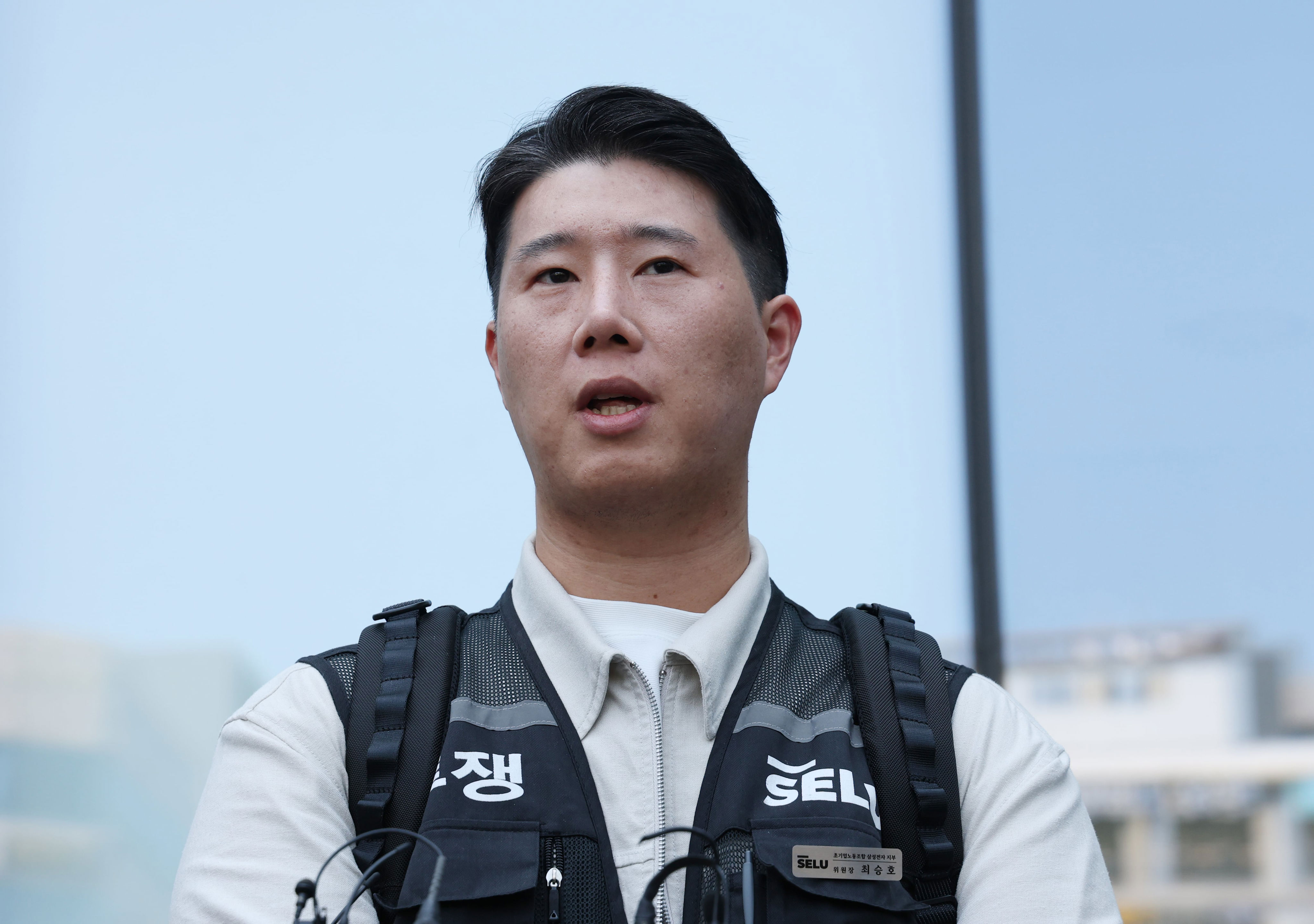
Choi Seung-ho, Chairman of the Samsung Group United Union (SGUU), stated on the evening of the 17th, “The management indicated that the union would face difficulties if emergency mediation or arbitration takes place, so we decided to withdraw from the discussion. They attempt to intimidate us by claiming the union will be severely affected, but we will not give in.” He further mentioned, “It appears that the management’s stance has shifted following the government’s reference to emergency mediation.” During the pre-negotiation session on the 16th, the management expressed regret for undermining labor-management trust and pledged to engage in sincere discussions. However, after Prime Minister Kim suggested the possibility of emergency mediation on the same day, they returned to a more authoritarian approach.
As per Choi, the management suggested keeping performance bonuses at a maximum of 50% of the base salary, while setting aside 9–10% of the DS Division’s operating profit that exceeds 200 trillion Korean won as a ‘special bonus’ fund. This fund would be split 6:4 between all employees and individual business units. They mentioned that this payment structure would remain in place for the next three years. Choi noted, “Management offered a ‘regressed proposal’ compared to the NLRC agreement. We told them we cannot accept it and made it clear we will not agree if they keep the same position during tomorrow’s mediation.”
If the second round of mediation following the negotiation fails and the strike starts on the 21st, the government is anticipated to exercise its emergency adjustment powers. This power can be implemented once a strike has commenced, leading to an immediate halt for 30 days. Although the union may continue its efforts through ‘collective annual leave,’ utilizing leave outside of standard limits to interfere with operations would be considered an unlawful labor dispute. At the same time, the NLRC will conduct labor-management mediation. Should conflicts remain unresolved, the NLRC can suggest a binding arbitration ruling that both parties are required to adhere to.
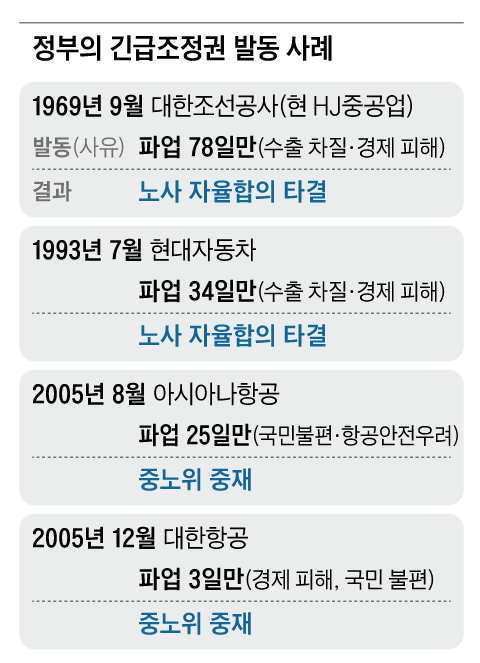
The emergency adjustment power has been used four times. Should it be activated now, it would mark the first occurrence in about 21 years since the 2005 Korean Air pilots’ strike. In previous instances, Daedo Shipbuilding (1969) and Hyundai Motor (1993) reached labor-management agreements after the authority was applied. Asiana Airlines (2005) and Korean Air (2005) were resolved through NLRC arbitration following unsuccessful mediation.
The Department of Employment and Labor, which has the power to initiate emergency adjustments, has started examining the legal basis. Although the department had previously focused on ‘dialogue first,’ it began looking into legal provisions after Prime Minister Kim referred to the authority.
☞ Emergency Adjustment Authority
This power can be exercised by the Minister of Employment and Labor when labor conflicts such as strikes present a major threat to the national economy or public welfare. Once activated, the strike is halted for 30 days, and the NLRC initiates discussions. Should these talks fail because of ongoing differences, the NLRC may suggest an arbitration ruling. This ruling is enforceable regardless of the stance of either party.

 jasdooit
Leave a comment