
During a conversation about a symbolic resolution that emphasized the significance of the South Korea-U.S. alliance at the U.S. House Foreign Affairs Committee, significant variations in viewpoints and worries among U.S. political figures about the Lee Jae Myung administration were revealed. Although the meeting was intended to highlight the importance of the alliance, Republican representatives launched strong criticism against South Korea’s accommodating approach towards North Korea, referencing the arrest of Americans and unfair treatment of American businesses.
On the 13th (local time), the House Committee on Foreign Affairs examined H. Res. 64, a bipartisan measure proposed by Democratic Representative Thomas Suozzi of New York last year. The resolution highlights the significance of the South Korea-U.S. alliance in Indo-Pacific security, honors the contributions of the Korean-American community, and advocates for “Kimchi Day” to celebrate the 80th anniversary of South Korea’s independence. Nevertheless, the session turned into intense discussions about South Korea’s current circumstances, straying from the resolution’s initial purpose.
◇Democratic Party: “Trump’s Unlawful Iran Conflict Led to Crisis in South Korea”
The first person to speak was Gregory Meeks, co-chair of the Democratic Foreign Affairs Committee from New York. He attributed the crisis South Korea is experiencing to the policies of the Trump administration and urged for bipartisan backing for the nation.
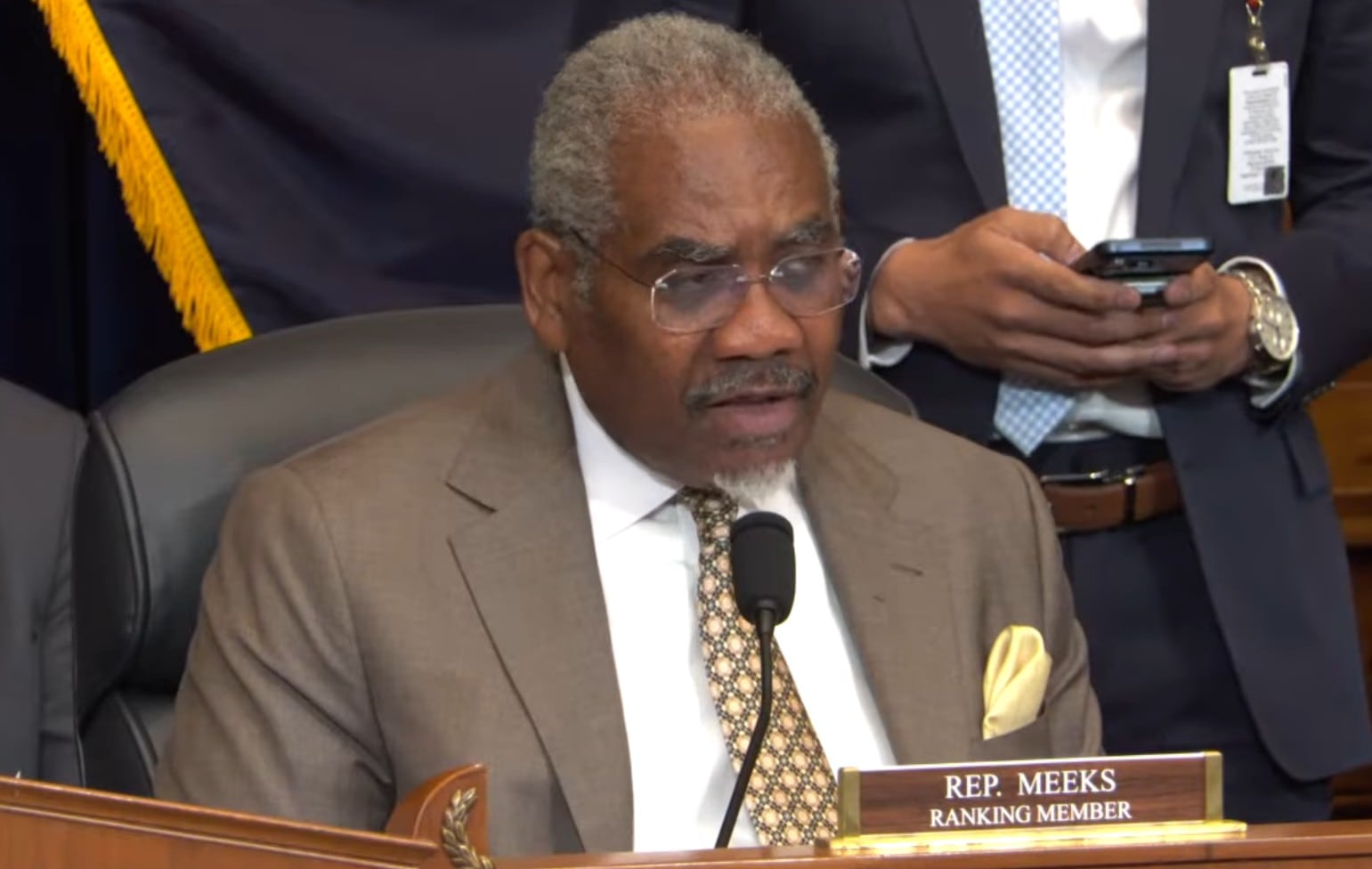
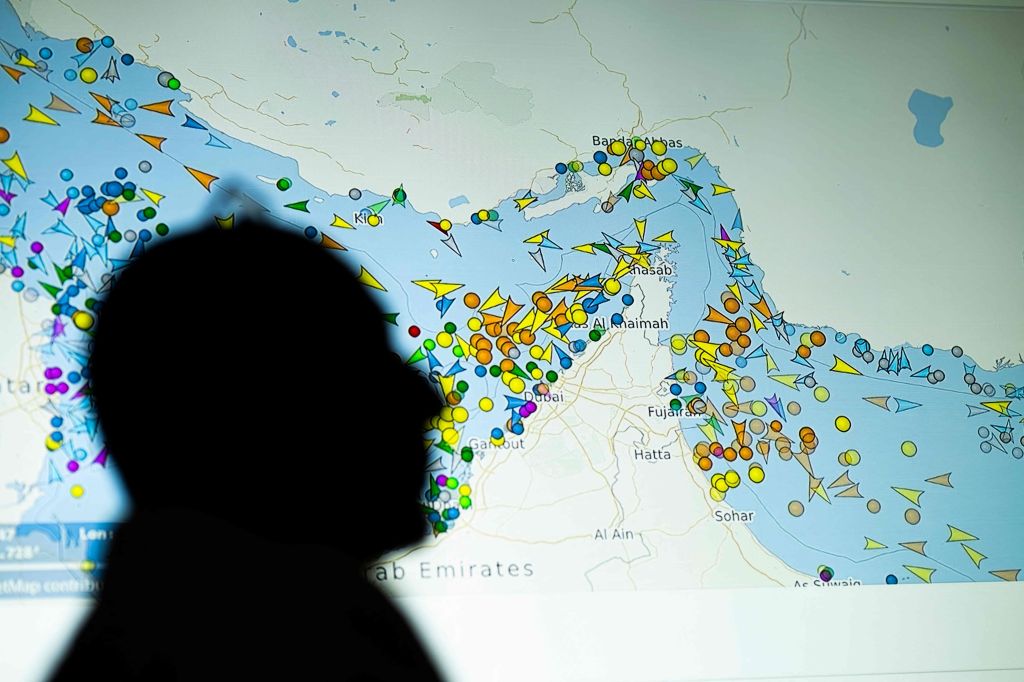
Meeks criticized, “Trump implemented unlawful tariffs on South Korea despite the U.S.-Korea Free Trade Agreement (FTA), and his inhumane immigration policies resulted in raids at Hyundai Motor’s Georgia facility, generating news about the mistreatment of Korean workers in the U.S. that gained attention throughout South Korea.” He further stated, “The illegal war in Iran created a crisis in South Korea due to elevated energy costs and a weakened currency. The U.S. undermined its deterrence by moving Patriot and THAAD missile defense systems to the Middle East, increasing Seoul’s worries about America’s reliability and promises. Considering the instability caused by Trump’s policies, it is essential for Congress to demonstrate robust support for South Korea.”
◇Republican Party: “The Lee Jae Myung administration detained six Americans for delivering Bibles to North Korea… Must take action against damage to national interests”
However, Republicans specifically focused on the recent actions of the Lee Jae Myung administration. Representative Keith Self (Texas) brought up the “American detention case” from June last year, saying, “We need to understand the recent measures taken by the South Korean government.” He criticized the Lee Jae Myung administration for detaining six Americans who tried to float PET bottles with Bibles, rice, one-dollar bills, and USB drives toward North Korea near Ganghwa Island. This incident took place early in Lee’s term, when he stopped loudspeaker broadcasts towards the North and increased efforts to suppress inter-Korean activities. Although some foreign and Christian media covered it, it remained largely unknown within the country.
Self’s critique also covered economic matters. He mentioned, “The Lee Jae Myung administration has recently implemented discriminatory, biased, and politically driven actions against American firms. A report indicates these steps might result in a total economic loss of $1 trillion for both the U.S. and South Korean economies over the next decade.”
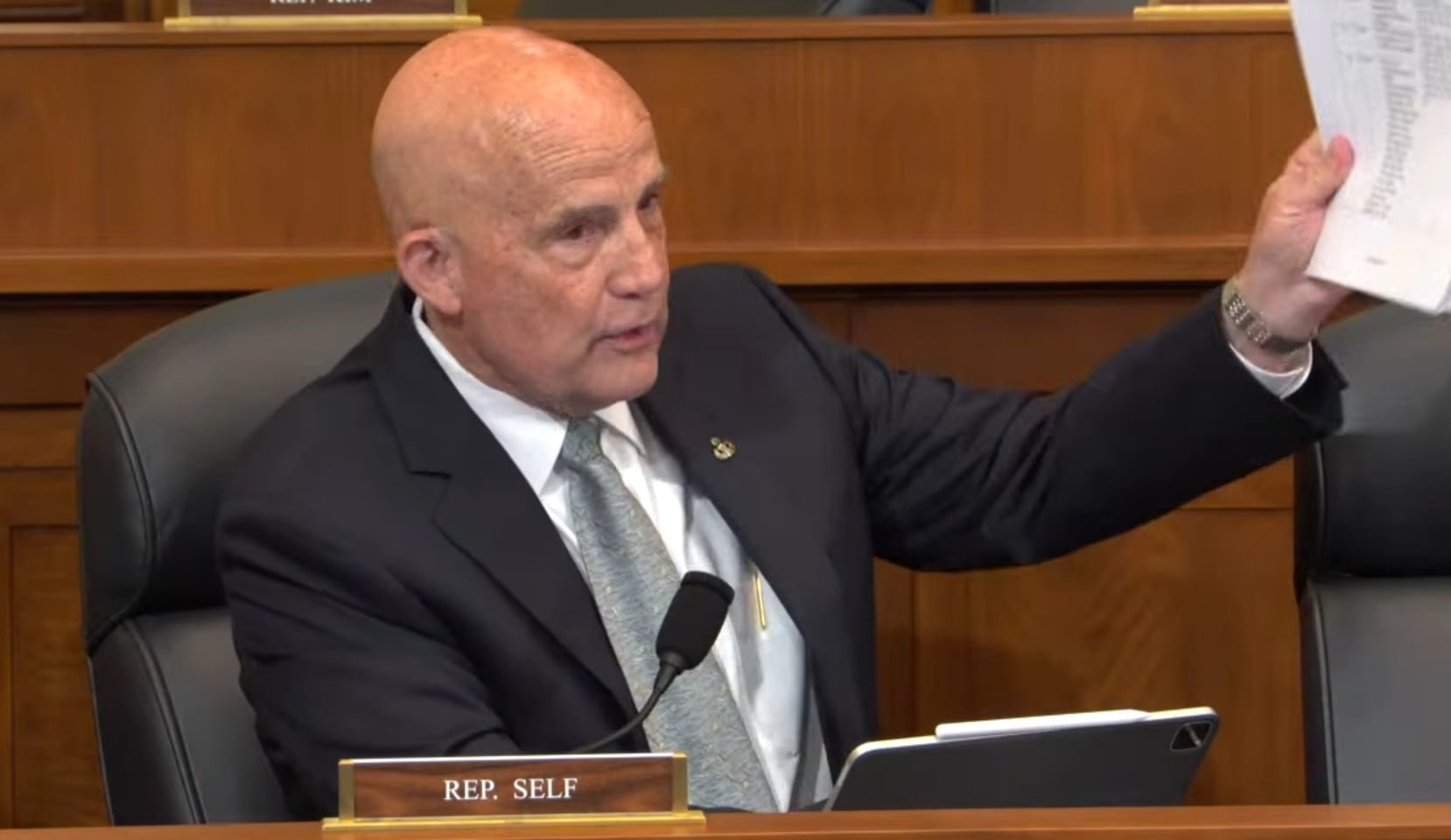
He stated, “Although we all appreciate the alliance with South Korea, the country is engaging in actions that are detrimental to U.S. national interests. The Trump administration has repeatedly expressed concerns to the South Korean government on behalf of American companies. South Korea is taking steps that we must at least acknowledge. Therefore, I am not convinced about the timing of this resolution, as it puts those who care about U.S. national interests in a challenging position. We value South Korea, but these actions are currently harming U.S. national interests. We do not support the recent government measures and must stand against them—this is the reason for our opposition to the resolution.”
◇Democratic Party Highlights the Local Korean Population: “Koreans Form the Foundation of Our Communities”
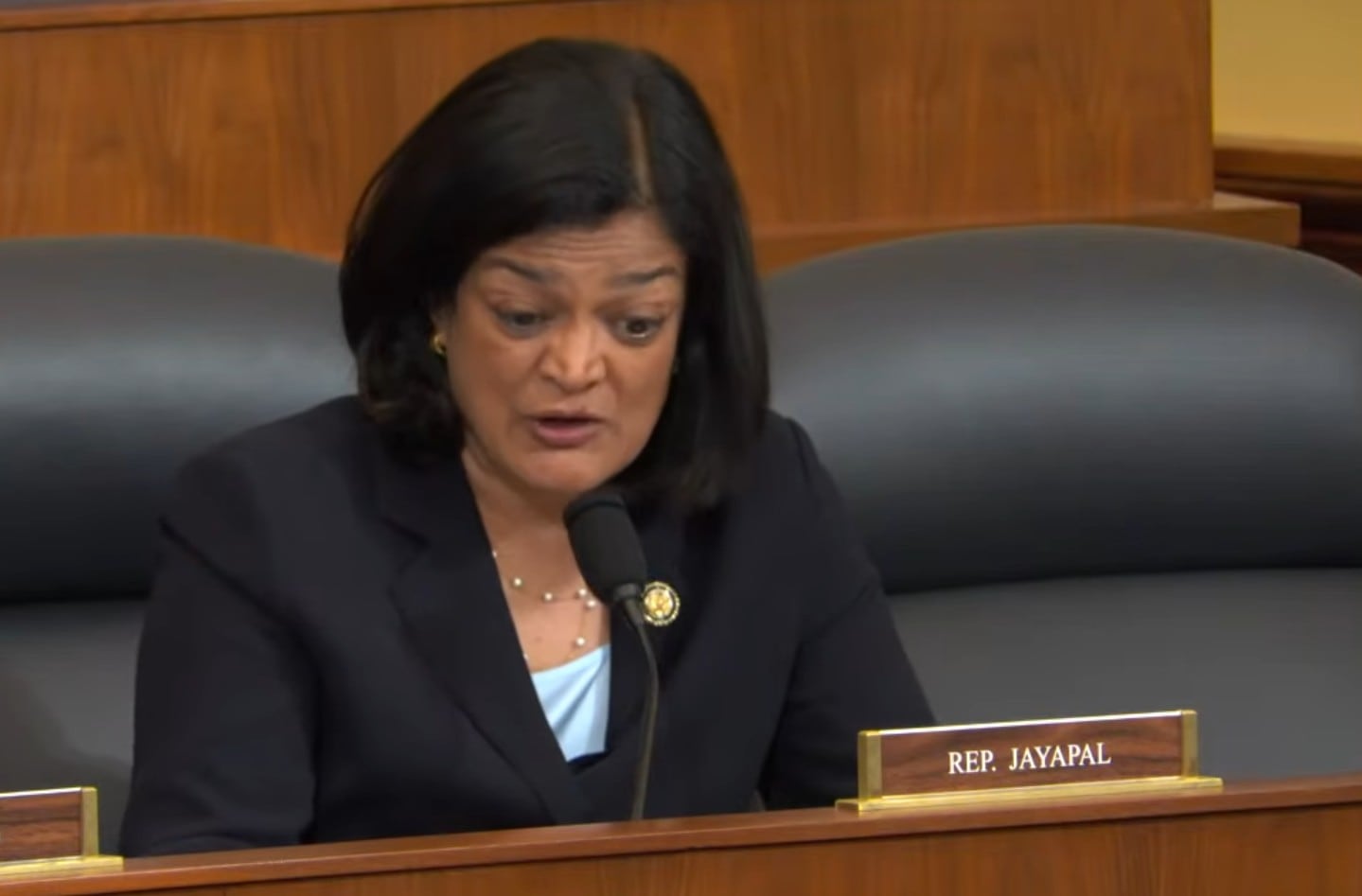
Amid the tension, Democratic Representative Pramila Jayapal (Seattle) tried to calm the situation.
Jayapal said, “The connection between the U.S. and South Korea goes beyond economic ties—it is profoundly human. Washington State has the fifth-largest number of Korean-Americans in the country, and the Seattle area is home to one of the biggest Korean communities. For many years, Korean culture has enhanced our communities through cuisine, art, language, music, films, and traditions, which are deeply woven into Seattle’s fabric.” She further mentioned, “Korean-Americans run small businesses that generate jobs and support neighborhoods. They serve in the military, teach in schools, provide care for our families, and advocate for justice and democracy. It’s time to restate our bond with South Korea and our dedication to the U.S.-South Korea alliance, democracy, and the dynamic Korean-American community that bolsters Washington State and our country daily.”
◇Chairperson of the Foreign Affairs Committee Issues Warning: “Worries Regarding the Treatment of Christian Minorities and Platform Discrimination”
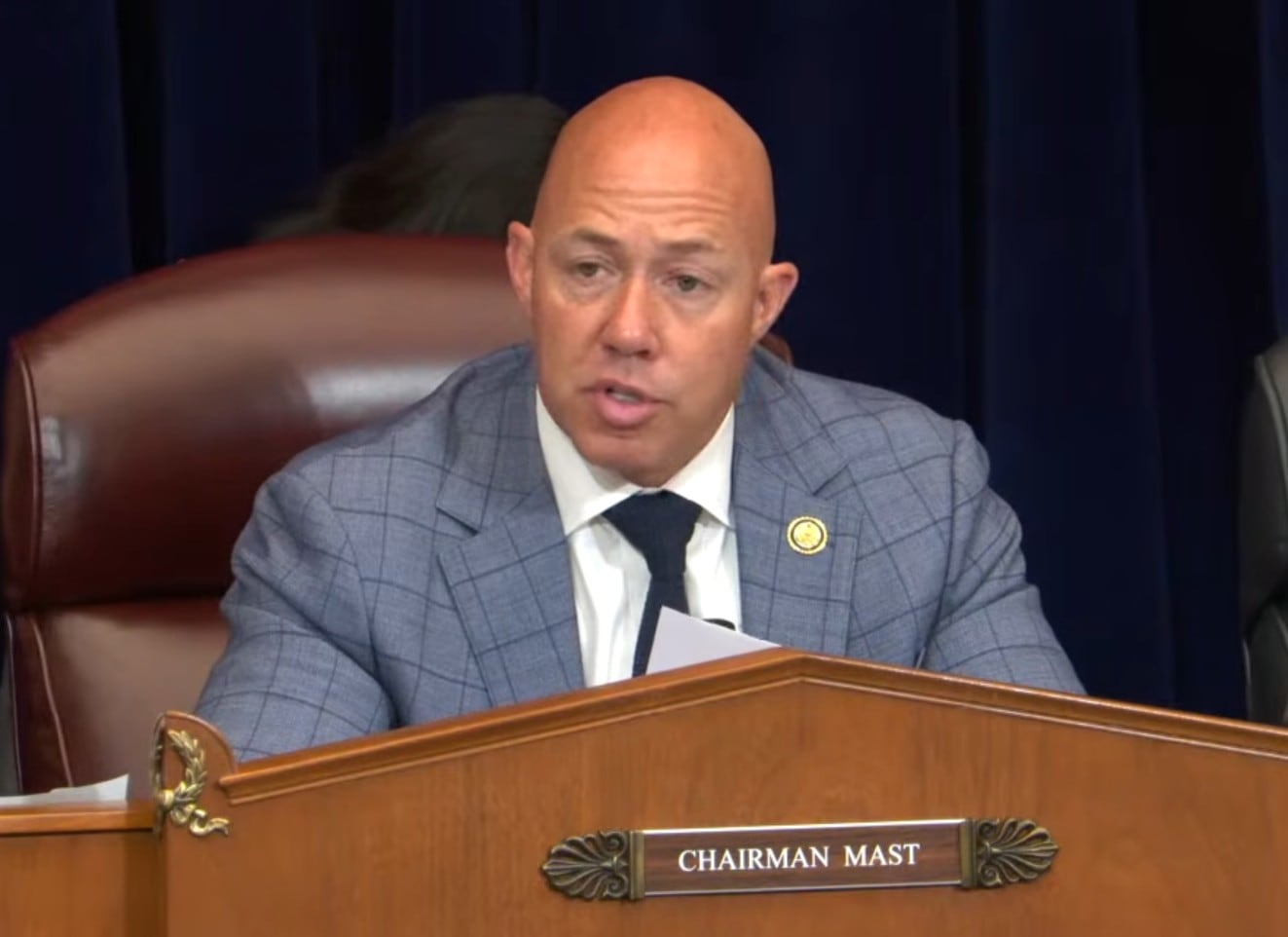
Chairman Brian Mast of Florida, leading the Republican Committee on Foreign Affairs, recognized the firm alliance but delivered a clear caution.
Mast stated, “This resolution acknowledges reality. The connection developed over 70 years is undeniable. This solid relationship is visible in South Korea’s recent investments in American shipyards, semiconductor plants, battery factories, and aerospace production. Nevertheless, similar to any friendship, the U.S.-South Korea alliance is not free of conflicts.”
He stated, “As my colleague pointed out, we have observed anti-competitive behavior towards U.S. e-commerce platforms. Another instance is the South Korean government’s treatment of Christian minorities, which goes beyond reasonable concern. I think it’s important to discuss what is occurring. This involves informing our friend and ally about the issues we are keeping track of.” He further said, “Robust friendships require the ability to have tough discussions. I encourage colleagues to back this resolution as it stands, but it’s also crucial to tackle other matters.”
In the end, the resolution was approved by the committee with minimal changes. Nevertheless, the review process more closely resembled a public expression of long-standing frustrations in Washington regarding South Korea, rather than just a routine “support for the alliance” discussion. Notably, the American detention case—largely unknown in South Korea—was brought up again by the chairman of the House Foreign Affairs Committee and Republican lawmakers a year later, highlighting that concerns within conservative U.S. circles about the Lee Jae Myung administration’s policies on North Korea and trade were more profound than anticipated.


 jasdooit
Leave a comment