
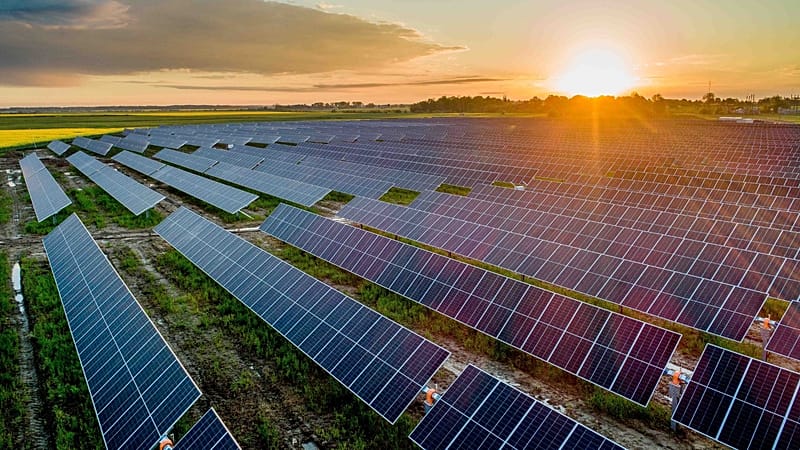
Lithuania has quickly emerged as a leader in renewable energy by significantly cutting its use of harmful fossil fuels.
Renewable electricity usage within the country increased from 15 percent five years back to 50 percent in 2025, due to significant funding in solar and wind energy.
During a conference held last week at the European Parliament, Lithuania received recognition for having the quickest transition to renewable electricity within the EU during the past four years, enabling it to become the first country in Europe to attain “full independence from”Russian fossil fuels”.
Lithuania’s renewables boom
A study conducted by the Lithuanian non-governmental organization Ziedine ekonomika, presented at the conference, revealed that the number of prosumers in the country (households and companies producing their own renewable electricity through rooftop solar panels, among other methods) has risen from 18,800 in 2021 to an impressive 174,500 in 2025.
The nation’s available power generation capacity ofsolar powerhas also increased substantially, moving from 225 MW in 2021 to 3,284 MW in 2025.
In the same way, the capacity for wind power has increased from 623 MW in 2021 to 2,535 MW in 2025 – sufficient to supply about 1.5 million typical homes each year.
“In April, solar and wind energy supplied 84 percent of Lithuania’s electricity demand,” states MEP Petras Auštrevičius. The nation has also significantly cut its dependence on imports, with local generation fulfilling 99 percent of its power requirements.
Lithuania is demonstrating that renewable energy plays a key role in energy security,” Auštrevičius says. “Other nations can take lessons from Lithuania’s advancements.
Lithuania’s renewable energy capacity is expected to keep increasing at a comparable pace during 2026. By 2028, according to the existing Government Programme, the nation plans to supply all domestic electricity needs with 100 per cent renewable sources, aiming to transform into a net exporter of electricity mainly generated from renewable resources.
Transforming emergency into a chance
The argument for domestically produced, renewable energy has grown stronger in recent weeks – as the cost of gas and oil surged following thewar on Iran.
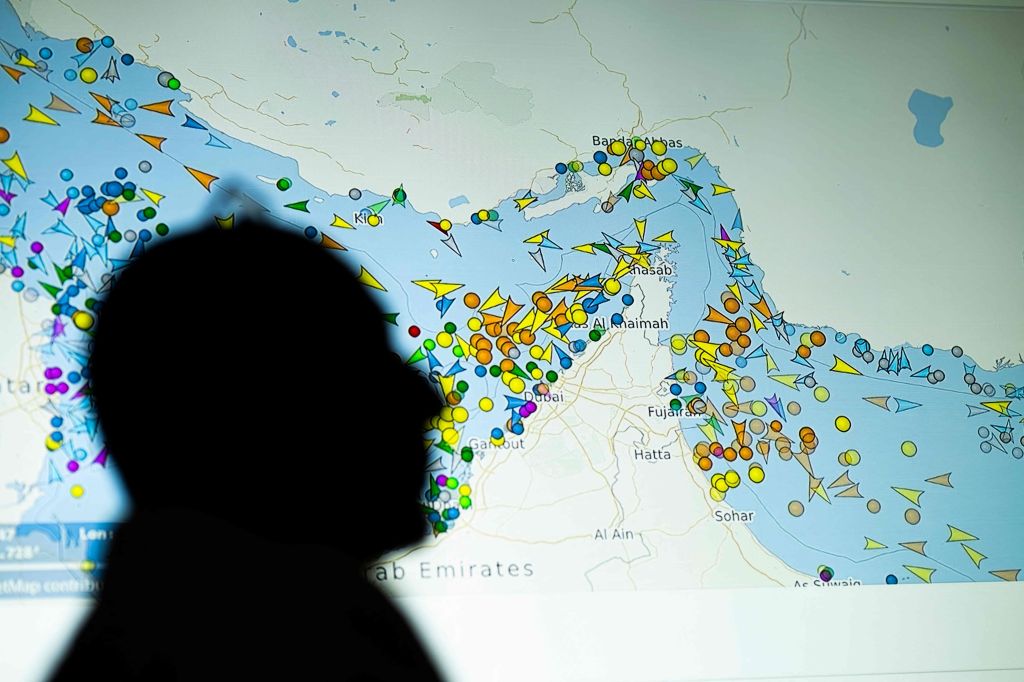
A significant portion of the price fluctuations has been linked to the successful closure of the Strait of Hormuz, a major global fossil fuel bottleneck that transports approximately one-fifth of the world’s oil.
“Although Europe is facing one of the most severe energy crises in history, Lithuania has already demonstrated a clear example of how to transform a crisis into a chance for improvement,” says Domantas Tracevičius, a member of the European Economic and Social Committee (EESC).
Tracevičius notes that in just a few years, Lithuania will shift from being a “major consumer” of fossil fuels for electricity production to becoming a net exporter of renewable power.


 jasdooit
Leave a comment