
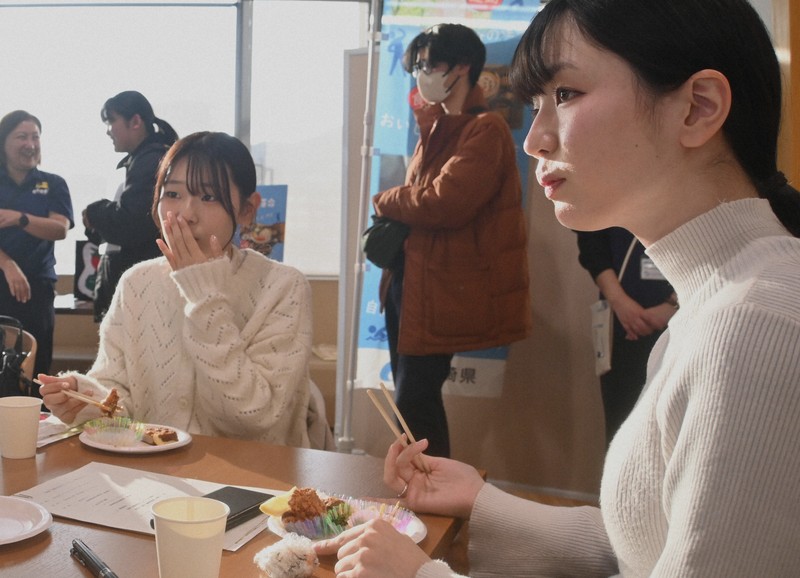
TOKYO — Men and younger individuals often skip breakfast on their days off, whereas women tend to snack more and have lighter dinners. This is the finding of a study on eating habits in Japan conducted by a team from the University of Tokyo. Following an analysis of data from over 1,000 participants, the researchers discovered that eating behaviors among Japanese people can generally be categorized into four distinct types.
Numerous previous studies regarding nutrition and well-being have concentrated on individual behaviors, like missing a morning meal. In comparison, there has been minimal investigation exploring the complete view of “eating pattern” – the mix of when and how often meals are consumed throughout the day.
A group examined 1,047 individuals from Japan, aged between 20 and 69, across 26 of the country’s 47 prefectures. They tracked the times people ate, as well as their wake-up and bedtime over more than 11 days. During four of these days, they also noted the specific foods consumed. Based on this data, the researchers conducted a statistical analysis of eating patterns and frequency.
They discovered that the eating patterns of Japanese individuals could primarily be categorized into four types: (1) a consistent pattern where people rise early on workdays and have a substantial breakfast in the morning — referred to as the “early, large breakfast on workdays” type; (2) a pattern where meal times vary significantly between workdays and days off, with breakfast often skipped on non-workdays — known as the “skipping breakfast on non-workdays” type; (3) a pattern characterized by frequent snacking throughout the day and a smaller portion of daily calories consumed at dinner — called the “frequent snacking with small dinner” type; and (4) a pattern where dinner is consumed early and lunch is the main significant meal — termed the “early last meal with large lunch” type.
When the team examined elements linked to these four categories, they discovered that younger individuals and males were more prone to the “skipping breakfast on non-working days” category, whereas females were more commonly found in the “frequent snacking with a small dinner” group. Conversely, none of the categories showed any connection to nutritional balance as assessed by the “healthy eating index,” or to body mass index or obesity.
The group stated, “For the first time, we successfully captured the full picture of the varied eating habits of Japanese individuals. We believe this will be beneficial in the future when developing health promotion strategies that match personal lifestyles and work schedules.”
The results were released in theBritish Journal of Nutrition dated May 11.
(Japanese original by Toshiyasu Kawachi, Lifestyle, Science and Environment News Department)



 jasdooit
Leave a comment