
- DO YOU HAVE A NARRATIVE? Send suggestions to tips@.au
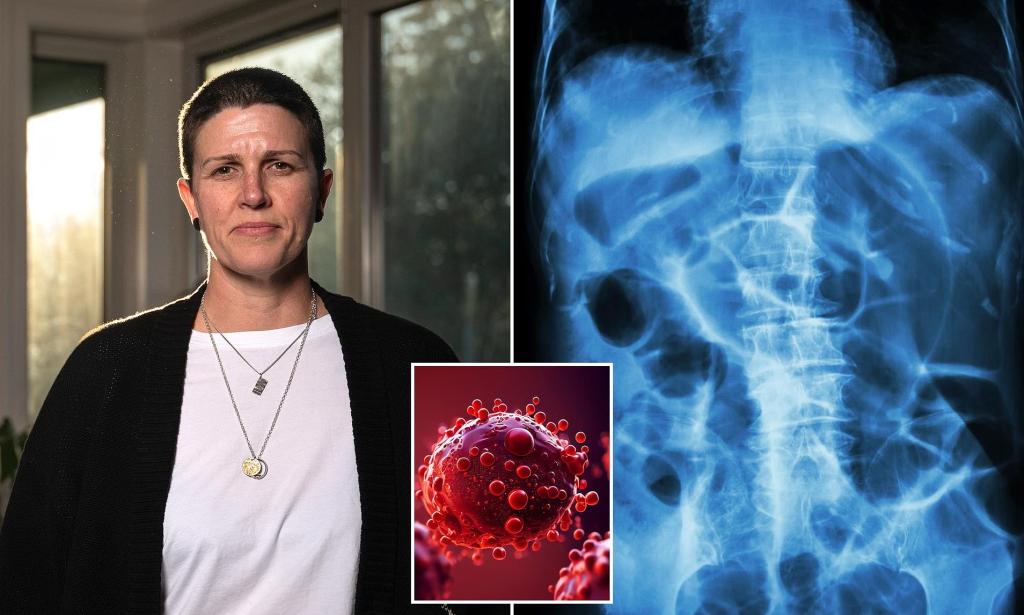
When Ebony Gaylor was found to have bowelcancerAt the age of 38, she found it hard to accept that this was actually occurring.
The fit, young Melbourne-based executive suspected that her gastrointestinal issues were probably caused by excessive gluten consumption or irritable bowel syndrome, so she delayed getting tested.
“I’d attempt the typical solutions such as boosting physical activity or reducing coffee intake, or eliminating bread or anything else – it simply wasn’t effective,” she stated.
I hadn’t intended to get cancer. It wasn’t that it was exclusively an older person’s illness – I didn’t see it as something that would affect me.
When the devastating news of “you have cancer” finally hit, the young mother couldn’t simply pause the rest of her life to begin treatment.
The treatment was harsh: chemotherapy, radiation, colostomy bags, and the removal of part of her intestine, lymph nodes, and rectum.
“It’s not merely about being able to attend chemotherapy and radiation treatments; it impacts every part of life,” Ms. Gaylor stated.
Fertility, financial stability, your relationships, and the level of involvement you can have with your child – it all casts a long shadow.
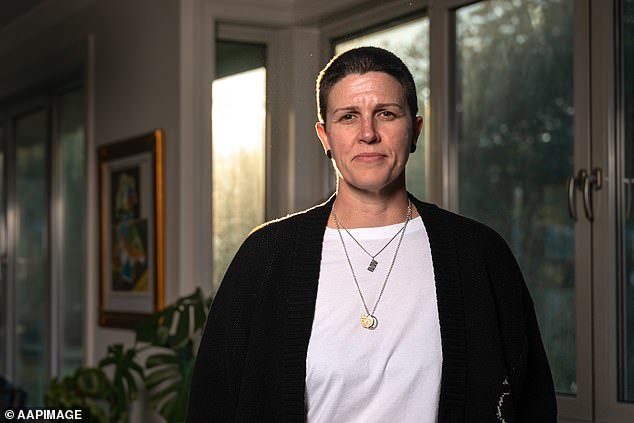

Ms. Gaylor is part of an increasing number of individuals under 50 who are being diagnosed with colorectal cancer, as Australia has some of the highest rates of early-onset cases worldwide.
Over the last twenty years, the rates have increased by more than double for individuals between the ages of 20 and 29, and have tripled for those between 30 and 39.
Scientists are puzzled by the increase, examining factors ranging from microplastics to stress.
Bowel cancer specialist Julia Freckelton stated that it was improbable there was one specific cause.
“we still haven’t completely grasped why bowel cancer is increasing so quickly among younger Australians,” she stated.
Recent findings indicate that the increase may be influenced by a mix of lifestyle, environmental, and genetic elements, such as nutrition, weight gain, lack of physical activity, and alterations in intestinal health, according to Dr Freckelton.
It is evident that existing treatment approaches are not tailored for young individuals, who frequently need to manage their recovery alongside work, parenting, and other obligations.
Ms. Gaylor mentioned she felt like a square peg in a round hole during her treatment.

“Balancing a young family, I’m attempting to schedule appointments around work meetings, school drop-offs and pick-ups, and other family-related tasks,” she said.
Dr. Freckelton will lead a trial initiative called ORBIT, aimed at exploring more adaptable support methods for young individuals, such as telehealth services, evening appointments, fertility preservation, mental health treatment, and ongoing survivorship planning.
Ms. Gaylor mentioned that younger cancer survivors, including herself, may have to deal with the physical and emotional effects of their treatment for many years.
“With conventional treatment, you’re choosing whether you’re comfortable with being infertile, whether you’re okay with having large parts of your internal organs removed, and whether you’re willing to live with poor bowel function for the rest of your life,” she stated.
How intense the treatment is and what it leaves you with in the end is not suitable for a 38-year-old woman.
A major increase in financial support is required to advance studies on the changing patterns of those affected and develop more suitable care approaches for different age groups.
Ms. Gaylor has remained free from cancer for many years and relocated outside of Melbourne to adopt a more relaxed and less stressful way of living.
“Having cancer is terrible and no one deserves it – but I don’t believe there’s no hope,” she stated.
We are fortunate to have numerous outstanding medical professionals and scientists, especially in Australia.
We only need to provide them with the resources required to conduct the necessary research and clinical trials.





Leave a Reply