
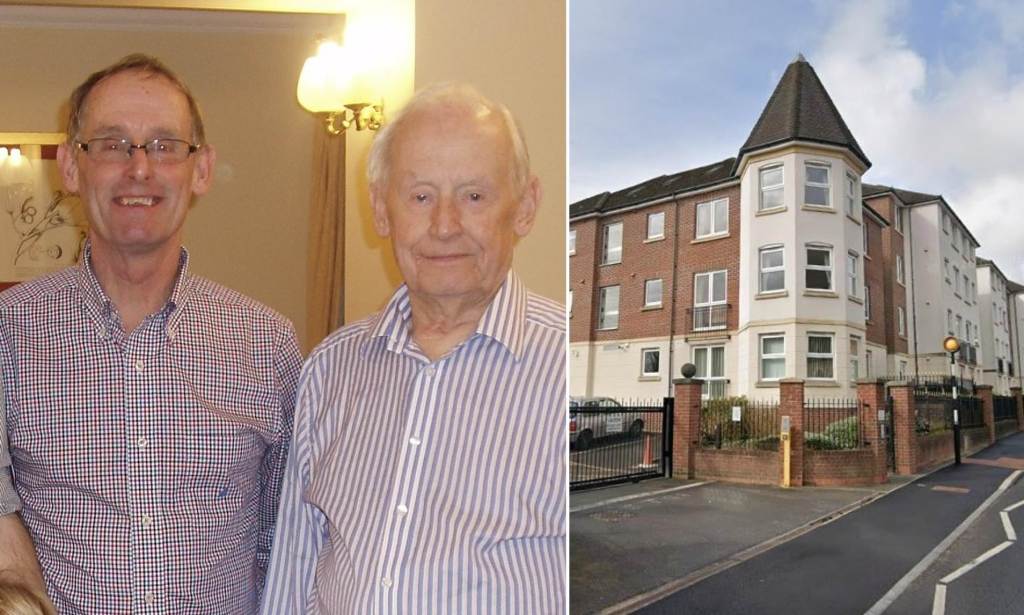
A dedicated charity volunteer’s £145,000 estate was completely depleted rather than being inherited by his heartbroken children — due to the sharp decline in the value of his retirement apartment.
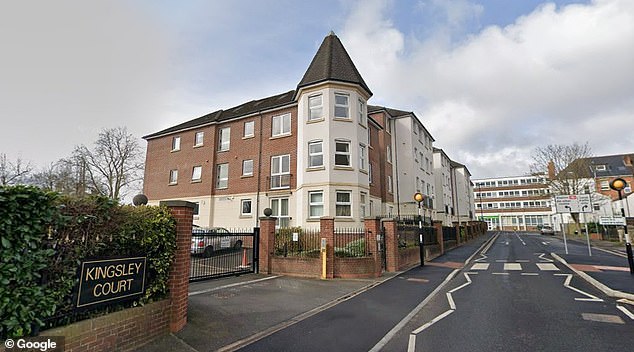
The offspring of churchgoer Antony Whelton, referred to as Tony, claim he has “nothing to show for his life” following his acquisition of a flat at Kingsley Court in Aldershot, Hampshire, alongside his wife Audrey, for £185,950 in 2008.
Mr. Whelton, who was awarded the Queen’s Maundy money in 2006 for his fundraising efforts, sold his house and obtained a £50,000 loan to be settled after his passing, enabling him to move into a specialized retirement community with his partner.
The couple acquired the leasehold of the apartment from Fairhold Homes, which holds the freehold of the land it is situated on, and are obligated to pay £12,000 annually in service charges to building managers FirstPort along with a ground rent.
Audrey passed away in 2014 — and when Mr. Whelton passed away at the age of 93 in October 2021, his estate was valued at £145,005 before any deductions, which was less than the price he originally paid for the apartment. After subtracting debts and funeral costs, £72,867 should have been distributed to his children.
Rather, following repeated attempts to collect fees and failing to locate a buyer, his children were forced to see his legacy vanish when he declared his estate bankrupt.
However, they remained under pressure from building manager FirstPort, which oversees the building on behalf of Fairhold, as it insisted on payment.ayment for the unpaid fees that accumulated following Mr Whelton’s passing.
Fairhold Homes also attempted to personally sue Trevor Whelton, the son, and John Aldred, the son-in-law, who were the executors of his estate, in an effort to claim the leasehold – even though they were not responsible for the 91-year-old man’s debts.
Trevor, in conversation with the Daily Mail,he described the experience as a ‘nightmare’ and stated he would never advise purchasing a retirement flat,thousands of which have seen their value plummetas they are not considered appealing financial opportunities.
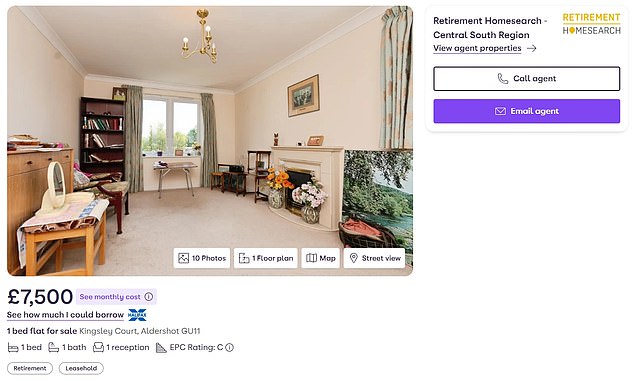
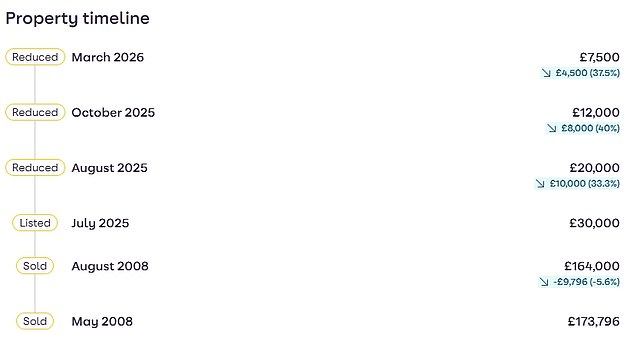
At Kingsley Court, apartment prices have dropped by up to 95 percent: one unit bought for £173,796 in 2008 is now valued at only £7,500 – following a listing last July at £30,000.
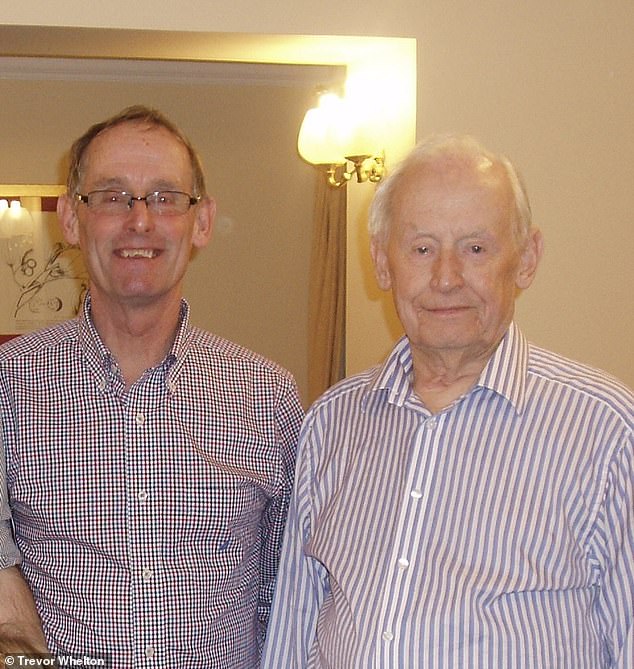
“They were convinced by the concept of a certain way of living – and my father thrived there because he was very outgoing,” said the 73-year-old resident of Ewhurst in Surrey.
But following his mother’s passing in 2014, he began to understand that the income was no longer sufficient as costs continued to rise. He could not afford to remain there.
He is convinced that his father was having difficulty covering the service charges at Kingsley Court, combining his small private pension with his state pension to manage financially.
Mr. Whelton became unwell near the end of his life and was hospitalized for a period before relocating to a care home. Nevertheless, FirstPort kept charging service fees even though the apartment remained empty.
After his passing, Trevor and his siblings found it difficult to sell the apartment, putting it up for £90,000—half the amount their father had originally paid—but then reduced the price further without success.
“People were fond of the apartment, but they weren’t pleased with the service charges,” Trevor mentioned. A proposal to return the flat to Fairhold was turned down.
It became an ongoing story from that point. We simply couldn’t sell the apartment. We even gave it to them for free, but they weren’t interested. They appeared more focused on collecting the fees.
FirstPort has engaged the property law firm JB Leitch to collect the outstanding debts, which have accumulated to tens of thousands of pounds.
Facing the loan and service charges, the family made the tough choice to declare their father’s estate bankrupt, stating they had informed FirstPort of their intention to sell off assets. However, FirstPort asserts that they were not notified.
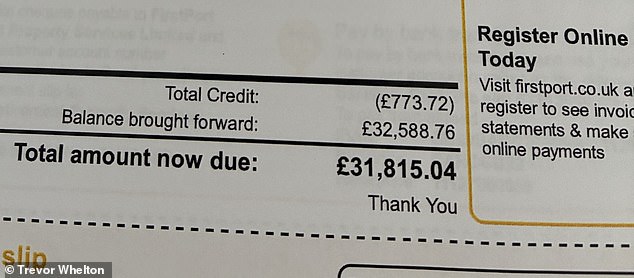
The official receiver for Croydon was assigned to manage Mr. Whelton’s estate in February 2025. However, two months later, FirstPort issued a bill to the family’s lawyers—rather than the administrator—requesting nearly £32,000.
Fairhold would also initiate a civil lawsuit to recover the service charges and the leasehold, which the family had to defend with the help of a barrister, costing £1,200.
Fairhold has since stopped asserting the claim following the Official Receiver’s withdrawal of interest in the leasehold.The apartment will, as agreed, revert to Fairhold, who will be responsible for covering the family’s legal expenses according to civil procedure regulations.
It can then resell the leasehold of the flat – while Trevor and his brothers and sisters are left with nothing.
The conclusion of the saga is near – but has occurred following years of pressure, worry, and the destruction of the 91-year-old’s entire heritage.
“Everyone was aware of our circumstances — the council tax, the electricity — but not FirstPort,” Trevor continued.
It is ethically incorrect. Individuals are purchasing apartments for their parents and ending up burdened with them, forced to pay the associated costs.
My father used to attend church. He was employed by Christian Aid. My parents have nothing left to show for their lives – everything has been lost. I feel truly sorry about that.
We would not want this story to happen to another family. Avoid purchasing one of these properties. If you need it, rent instead, but do not buy one.
His wife Pauline remarked, “We were aware we weren’t responsible for another person’s debts, but they presented it as if we were. That’s their usual tactic to intimidate you.”
A representative from property management company FirstPort stated: “We understand how challenging this situation has been for Mr. Whelton’s family, and we feel great empathy for their circumstances.”
Our responsibility as the property manager at Kingsley Court is to maintain the shared spaces under our care in a secure and tidy condition, and to offer support services for residents, such as round-the-clock staff, cleaning, and a restaurant located on-site.
Service fees are intended only to cover the real expenses associated with managing the development. If service charges are not paid for an extended time, we must implement actions to reclaim these costs on behalf of every resident.
We recognize the worries expressed regarding the resale values of retirement properties. Nevertheless, property prices and market situations are beyond our influence and are shaped by broader economic conditions.
We recommend that property owners collaborate with expert agents specializing in retirement communities, as they have the knowledge of the market and can offer personalized guidance to ensure the most favorable result.
Fairhold Homes and JB Leitch have been reached out to for their response.
The Wheltons’ difficulties are among the most recent issues highlighted concerning retirement apartments, which are experiencing a sharp decline in value and are difficult to sell due to high service fees and rigid age restrictions.
Numerous properties incur service fees amounting to tens of thousands of pounds annually, along with a ground rent imposed by the freeholder – factors that are deterring an already small group of potential buyers.

However, construction companies like McCarthy and Stone – which developed Kingsley Court before selling it in 2008 – still receive planning permission for new projects even though approximately 10,000 retirement apartments are believed to be unoccupied.
Even the parent company of Fairhold, the Fernando Group, admits there is no ‘regular market’ for retirement apartments, having reduced the value of its entire portfolio by £43.3 million in the year ending October 2025.
It mentioned in its latest financial reports: ‘The directors acknowledge… that these book values might not be recovered if the group attempts to sell any or all of the properties.’
The Government’s housing minister, Matthew Pennycook, recently expressed ‘significant concerns’ about the operations of FirstPort.
In a letter addressed to its managing director, Martin King, sent in December, he mentioned that “significant issues” still existed, such as “unreasonable” service fees, delayed reactions to complaints, and worries about how it managed outstanding debts.
In response to the letter, FirstPort stated that it is implementing ‘positive changes’ while striving for ‘broader reform’ in the industry, and mentioned: ‘There is still more to accomplish as we keep working to promote progress throughout the sector.’
This week, the organization Action on Empty Homes claimed that builders are ‘overstating the requirements for new projects’ to maximize ‘financial gains’, while neglecting current property owners.
The head of campaigns, Chris Bailey, stated to the Daily Mail: ‘We believe this is yet another instance where the development sector’s fixation on “build, build, build” is misaligned with real housing requirements.’
However, the Retirement Housing Group, which advocates for managers of private retirement communities, argues that retirement housing serves as a ‘lifeline’ for individuals seeking to maintain independence in their later years.
A representative stated, “Service fees might be greater than those in standard apartments since they support a much wider range of amenities and services. The value when reselling can differ, similar to regular apartments, but unlike a residential care facility, there is still a property that can be sold or leased.”






Leave a Reply